Heritage

News, articles and Essays on Sanatana Dharma, Hinduism and Indian way of life.

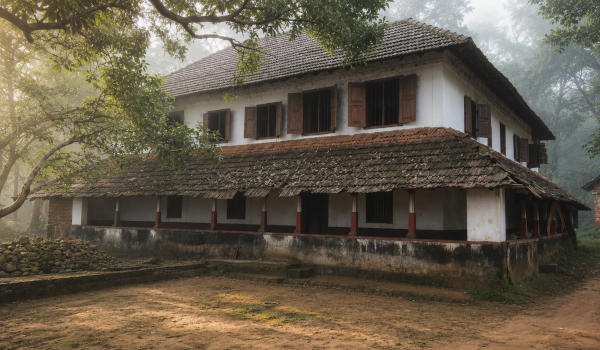
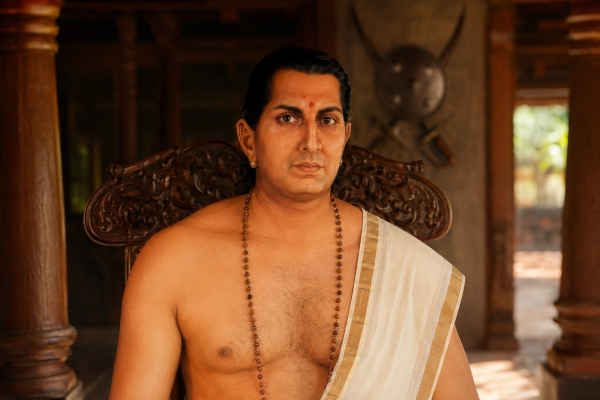
Kayamkulam Raja: The Proud Rulers of Odanad Before the Rise of Travancore

The Kayamkulam Raja was not merely a local chief. He represented one of the notable ruling houses of central Kerala during a time when the region was divided into several principalities. These kingdoms were small in size compared with later Travancore, but they were politically alert, militarily active and deeply connected to trade, temple culture and local warrior traditions.
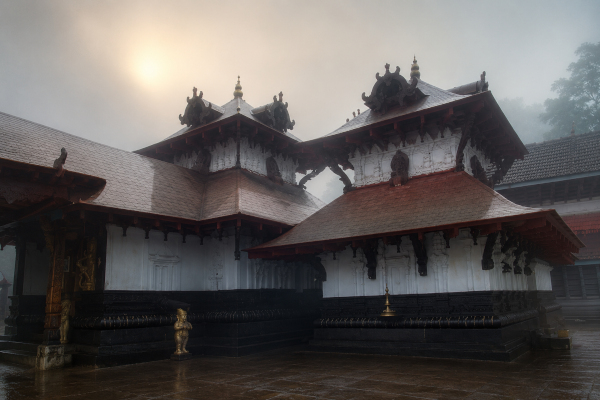
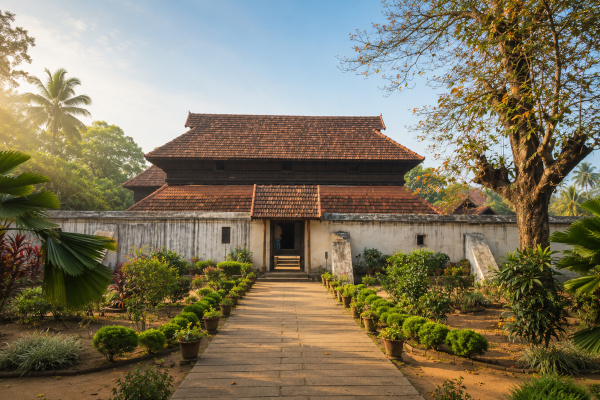
Thiruvilwamala Vilwadrinatha Temple — The Sacred Vishnu Shrine on Vilwadri Hill

Thiruvilwamala is a peaceful temple village surrounded by green landscapes, hillocks and the cultural memory of the Nila region. The temple is situated about 100 feet above sea level on Vilwadri Hill, creating a natural sense of ascent as devotees approach the shrine. The elevated location gives the temple a calm and dignified presence, while the nearby Bharathapuzha region adds to its sacred and cultural depth.

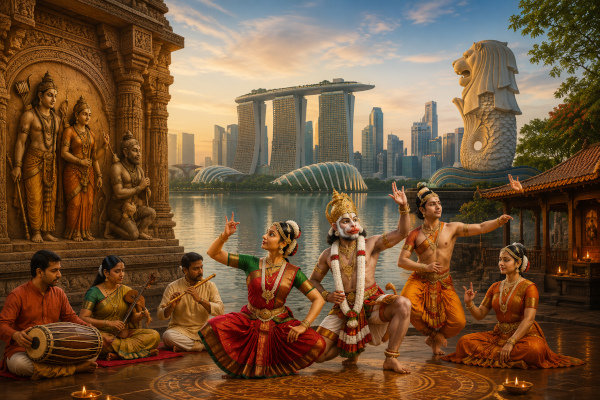
Ramayana in Singapore: A Living Bridge of Indian and Southeast Asian Civilisation

This makes Singapore special in the Ramayana map. It is both Indian and Southeast Asian in its cultural inheritance. The epic is preserved through Indian classical forms such as Bharatanatyam, Odissi and storytelling, while also being understood as part of the wider Southeast Asian cultural family. In Singapore, the Ramayana is not only remembered as scripture or literature; it becomes performance, education, community identity and shared heritage.

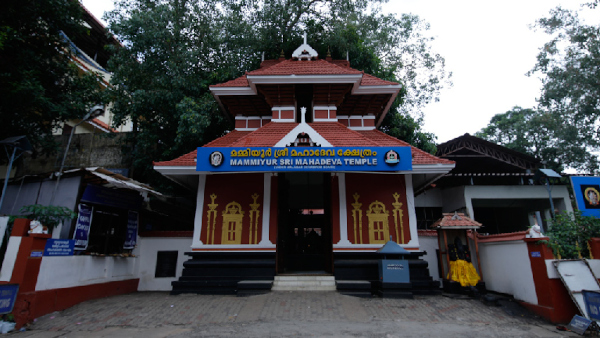
Mammiyur Mahadeva Temple: The Sacred Shiva Shrine Beside Guruvayur

For generations, devotees visiting Guruvayur have also offered prayers at Mammiyur Mahadeva Temple. This tradition gives the temple a special place in the religious life of Kerala. While Guruvayur is celebrated as the abode of Lord Krishna, Mammiyur is cherished as the seat of Lord Shiva, who is worshipped here in the form of Uma Maheswara, along with Goddess Parvathy.

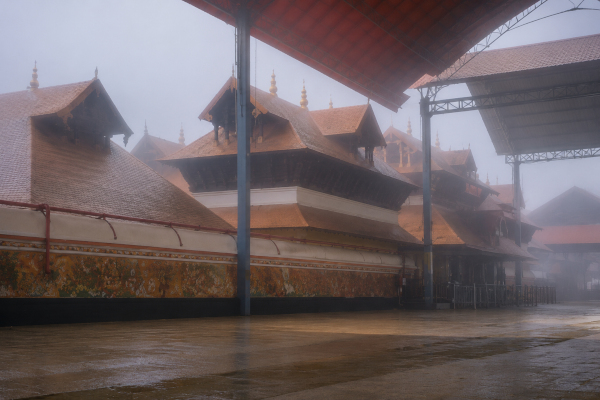
Guruvayur Sri Krishna Temple: Kerala’s Sacred Abode of Devotion, Grace and Living Tradition

Located in Guruvayur, in the culturally rich district of Thrissur, the temple occupies a special place in Kerala’s sacred geography. Thrissur is celebrated as the cultural capital of Kerala, a land of poorams, temple arts, classical music, ritual traditions and festive grandeur. In this atmosphere, Guruvayur stands as a luminous spiritual centre where faith is lived every day through prayer, offerings, vows and devotion.

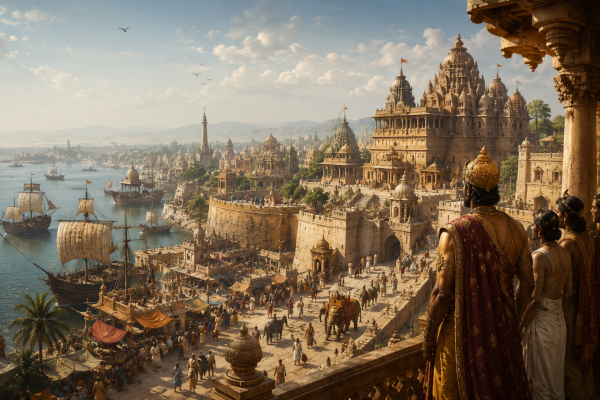
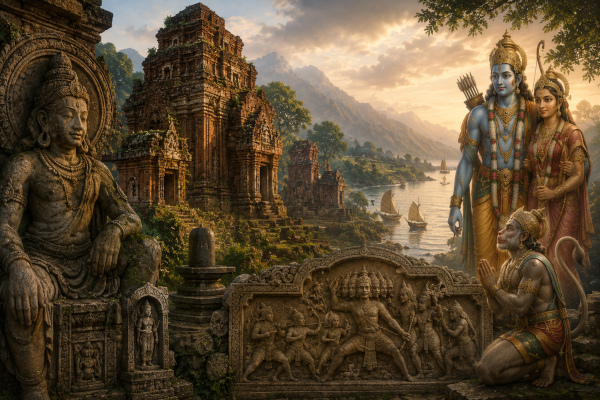
Ramayana in Vietnam: Champa, Hindu Deities and the Sacred Cultural Bridge With Bharat

The ancient Champa kingdom flourished along the coast of present-day central and southern Vietnam for many centuries. Located on important maritime routes between India, China and Southeast Asia, Champa became a powerful cultural meeting ground. Indian merchants, priests, scholars and maritime networks carried Sanskrit, Hinduism, Buddhism, temple architecture, royal rituals and epic traditions into the Cham world. Over time, the Cham people created their own refined civilisation, blending Indic religious ideas with local Austronesian culture.

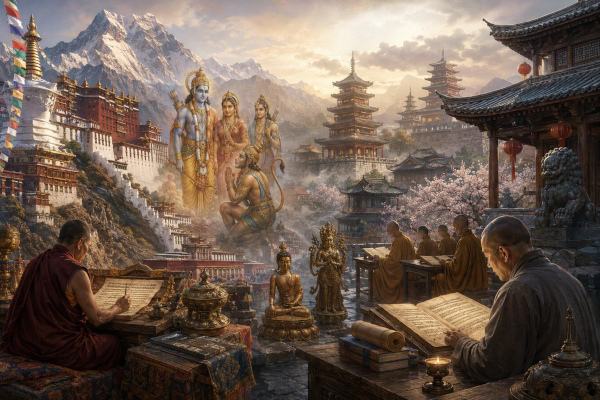
Ramayana Beyond Borders: Akhand Bharat, Tibet, China and the Civilisational Journey of Rama

The Ramayana’s presence in China and Tibet shows the deeper meaning of Akhand Bharat as a civilisational idea. Here, Akhand Bharat is best understood as a sacred-cultural sphere shaped by dharma, knowledge, pilgrimage, literature, philosophy, language and memory. It is not merely a modern political expression. It is the story of how Indian civilisation touched neighbouring regions through wisdom, ethics, devotion and narrative power.

Kerala Varma Pazhassi Raja: The Lion of Kerala Who Turned the Forests of Wayanad into a Battlefield of Freedom

Pazhassi Raja’s greatness came from the way he understood power. He knew that the British East India Company possessed disciplined troops, firearms, revenue machinery and political cunning. He also knew that the people of Malabar possessed something equally powerful: knowledge of the land, loyalty to local authority, control over forest routes and the will to resist outside domination. He converted this strength into one of the earliest and most memorable armed struggles against colonial power in India.