Defense

News , articles and essays on Indian Defense

Rajnath Singh–Amir Baram Meeting Signals Deeper India–Israel Defence Partnership

The meeting gains significance because India and Israel elevated their relationship to a Special Strategic Partnership for Peace, Innovation and Prosperity during Prime Minister Narendra Modi’s state visit to Israel in February 2026. The joint statement from that visit placed defence platforms, cybersecurity, artificial intelligence, semiconductors, quantum computing, biotechnology, space exploration, agriculture and water management among the major areas of cooperation.

India’s Defence Production Crosses Record ₹1.78 Lakh Crore, Strengthening Atmanirbhar Bharat Push

India’s defence exports have also recorded impressive growth. From around ₹1,000 crore before 2014, defence exports have risen to nearly ₹40,000 crore, indicating growing international confidence in Indian-made defence platforms, systems and components. The rise in exports shows that India is moving from being a major defence importer to an emerging supplier in the global defence market.

India’s 12-Year Counter-Terror Transformation: From Reactive Security to Zero-Tolerance Deterrence

The central idea behind this transformation is zero tolerance against terrorism. This approach treats terrorism as a full ecosystem rather than an isolated act of violence. It targets the terrorist, the recruiter, the handler, the financier, the arms supplier, the propaganda channel, the over-ground support network and the foreign sponsor. The objective is to dismantle the chain that allows terror to survive.

India-Vietnam BrahMos Deal Moves Toward Final Stage, Marking a Major Leap in Defence Exports

For India, the deal would strengthen the “Make in India, Make for the World” push in defence manufacturing. The BrahMos export journey began with the Philippines contract, which proved that India could supply advanced missile systems to a friendly partner in the Indo-Pacific. A Vietnam deal would deepen that momentum and show that Indian defence exports are moving from basic platforms and support equipment toward strategic systems with regional impact.

Ethical Warfare in the Ramayana: How Rama Turned Moral Legitimacy into Strategic Power

Ethical warfare means that a campaign carries a rightful cause, a disciplined method and a constructive end state. Rama’s war against Lanka follows this structure. The cause is clear. Sita has been abducted and held against her will. Ravana has violated dharma, honour and royal conduct. Rama’s response is built around justice. His purpose is focused. His army marches for rescue and restoration. This clarity gives the campaign moral force.

Indian Navy Set To Commission Three Indigenous Naval Platforms In Kolkata

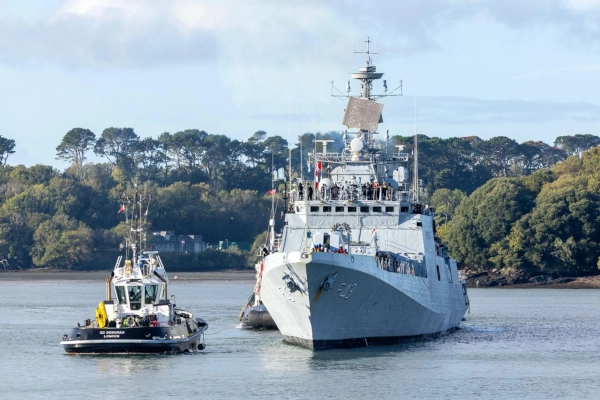
Designed by the Indian Navy’s Warship Design Bureau and constructed by Garden Reach Shipbuilders & Engineers (GRSE), Kolkata, the vessels represent key operational capabilities across maritime combat, hydrographic surveying, and anti-submarine warfare. Together, they reflect the Navy’s balanced approach to capability development, strengthening blue-water operations, enhancing maritime domain awareness, and securing coastal waters against evolving threats.

Symbolic Warfare in the Ramayana: How Rama Won the Moral Battlefield Before the Final Battle

The destruction of Ashoka Vatika turns reconnaissance into psychological warfare. Hanuman damages Ravana’s prized garden, defeats elite warriors and forces the enemy court to respond. This action is military, psychological and symbolic at the same time. The garden represents royal luxury and imperial pride. Its destruction tells Lanka that Ravana’s private world is vulnerable. The enemy is forced to witness the strength of a single warrior from Rama’s side. The message is direct: if one envoy can do this, the full army can do far more.