Advanced Truck Safety Systems Strengthen Worker Protection on Indian Highways
Truck Mounted Attenuators are specially engineered impact-absorbing devices designed to reduce the severity of collisions.
Indian Infrastructures and Capabilities
Truck Mounted Attenuators are specially engineered impact-absorbing devices designed to reduce the severity of collisions.
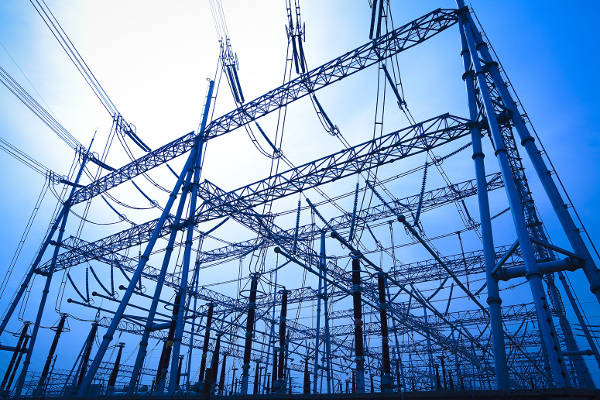
The Power Ministry’s October 2024 release on the National Electricity Plan said the transmission system is being prepared to support 500 GW of renewable energy capacity by 2030 and over 600 GW by 2032.
The facility uses over 12 lakh advanced TOPCon bifacial solar modules manufactured at SAEL’s plants in Punjab and Rajasthan, reflecting strong integration of domestic manufacturing with large-scale renewable deployment.
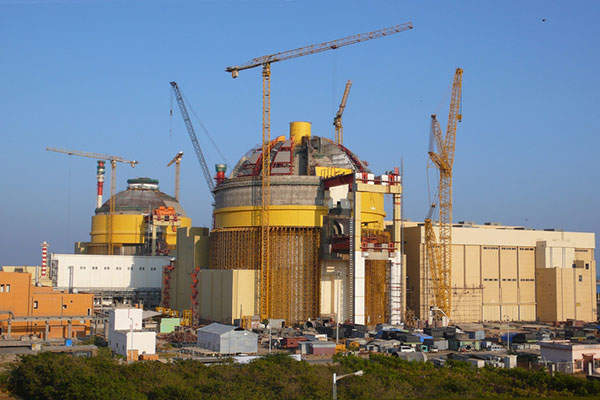
The push comes as India looks for reliable low-carbon baseload power to support rising electricity demand over the next two decades. According to the Union government’s implementation report on budget announcements, the development of at least 100 GW of nuclear energy by 2047 is considered essential for India’s energy transition, and a formal roadmap for reaching that level has already been prepared and circulated for stakeholder discussions.
The expansion is being driven by a mix of structural factors, including rising internet penetration, widespread smartphone usage, and a strong consumer shift toward mobile-first digital behaviour. Advertisers are increasingly moving budgets to digital channels because they offer sharper audience targeting, real-time campaign tracking and clearer returns on spending compared with traditional media.
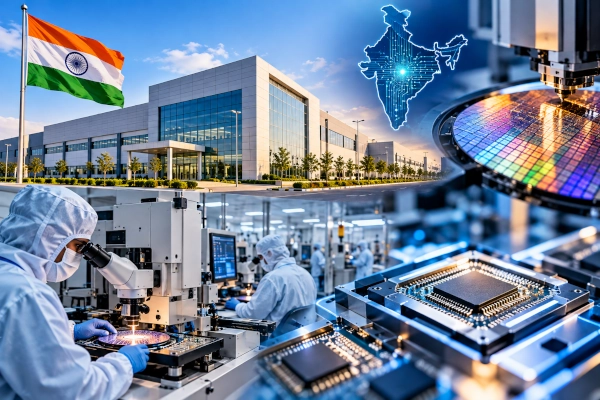
The plant, being developed by US-based 3D Glass Solutions, involves an investment of around ₹1,943 crore and will be located at Info Valley. The foundation stone for the facility was recently laid by Chief Minister Mohan Charan Majhi, in the presence of Union IT Minister Ashwini Vaishnaw.
The larger Rajouri picture shows that this is part of a wider frontier infrastructure build-out rather than a stand-alone project.
As part of the decision, the government extended the deadline for completion of roads and bridges in plain areas, along with roads in hilly areas, till March 2028. For bridges in hilly regions, the completion timeline has been stretched further till March 2029. The Cabinet also cleared the way for works sanctioned before March 31, 2025 but still unawarded to be taken up for tendering and execution.
MoSPI said the system now evaluates infrastructure through multiple lenses including access, quality, utilisation, affordability, and fiscal cost and revenue use. While the ministry has long monitored 11 key sectors through 28 sub-indicators, the new dashboard currently carries 116 indicators across six visible sub-sectors: civil aviation, roads, power, ports-shipping-waterways, telecommunications, and railways.
The biggest structural shift has come from electrification. As of March 2026, 99.6% of India’s broad-gauge network had been electrified, with 69,873 route km electrified out of 70,142 route km, up sharply from 21,801 route km in 2014.