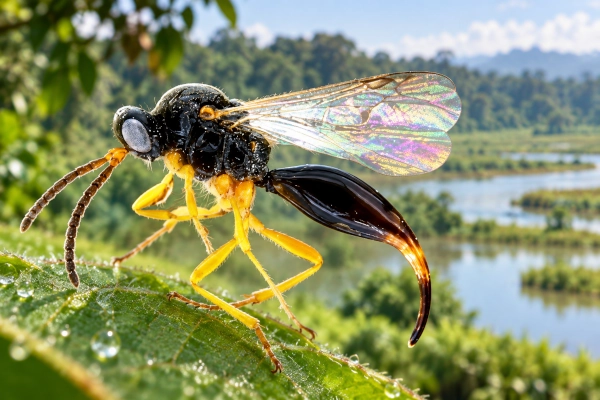
Tiny 3.3-mm Parasitic Wasp Discovered in Assam Marks First Record of Its Genus in India
The newly described wasp belongs to the family Proctotrupidae, a group of parasitoid wasps whose larvae develop in or on other insects.
The newly described wasp belongs to the family Proctotrupidae, a group of parasitoid wasps whose larvae develop in or on other insects.
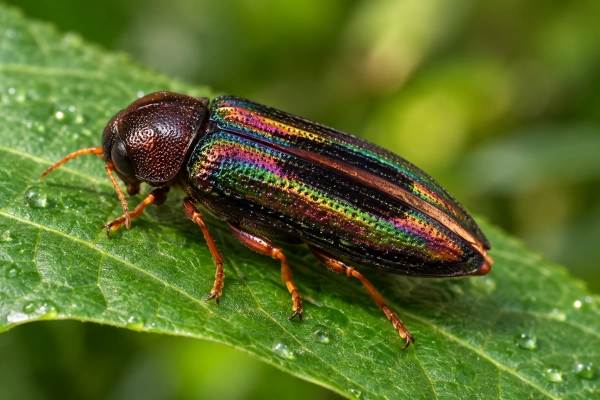
Named Steneucyrtus wayanadensis, the beetle was discovered in the Chethalayam forest area of Wayanad Wildlife Sanctuary during scientific surveys conducted by researchers associated with the Zoological Survey of India’s Western Ghat Regional Centre in Kozhikode, MES Mampad College and the University of Calicut.
Named Tetragonula nagalandensis, the species was described by researchers from the University of Agricultural Sciences, Bengaluru, Nagaland University and Central Agricultural University, Imphal. Their study was published online in the journal Oriental Insects on August 24, 2026.
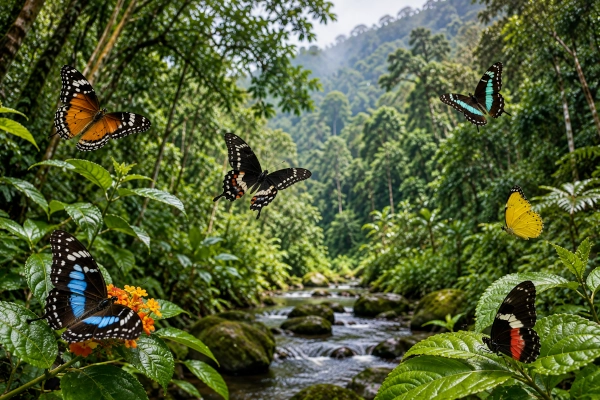
The recording of 165 butterfly species within the Dehing Patkai landscape is significant because butterflies respond rapidly to changes in vegetation, humidity, temperature, availability of host plants and disturbance.
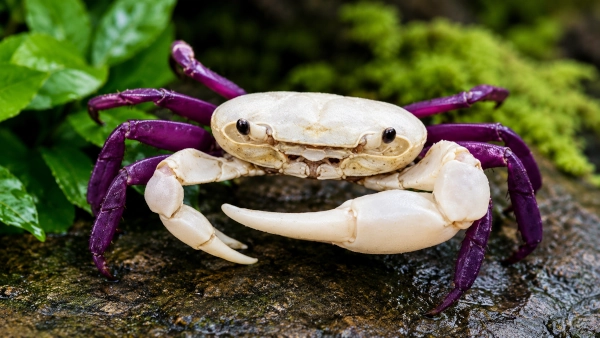
The newly described species, Ghatiana karnataka, was discovered at Mavinkaru in the Mookambika Wildlife Sanctuary of Udupi district, where it inhabits moist lateritic habitats within the central Western Ghats. Its formal description was published on 21 July 2026 in the journal Species by Santanu Mitra of the Zoological Survey of India and Ajmeer K of the Karnataka Forest Department.
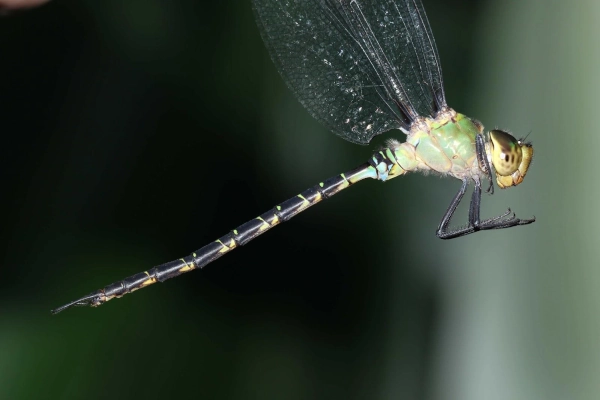
The species, the Spoon-tailed Duskhawker (Gynacantha basiguttata), has now been identified from photographs taken along the Miao–Vijaynagar Road inside Namdapha. The finding represents the first verifiable photographic record of the species from Arunachal Pradesh and provides evidence strong enough for researchers to recommend its inclusion in India’s contemporary Odonata checklist.