Meditation/Kundalini/Rituals

Meditation, Kundalini Explained

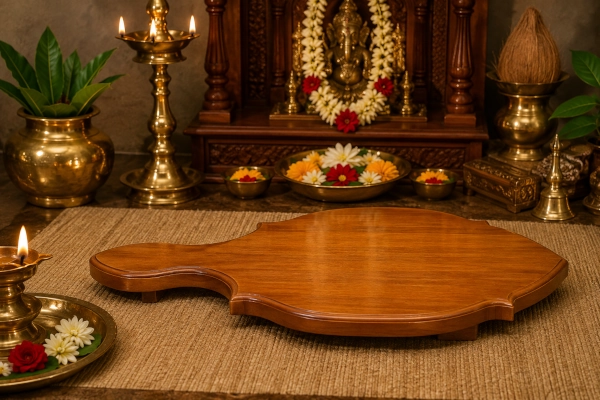
Avanipalaka or Kurma Peedika: Why the Traditional Tortoise-Shaped Wooden Seat Is Used During Hindu Prayer

The Kurma connection is particularly significant. In Vedic ritual literature, the tortoise represents the worlds and the supporting principle of creation. In the Puranas, Vishnu becomes Kurma to bear Mount Mandara during the churning of the Ocean of Milk. In the Bhagavad Gita, the tortoise becomes the model for withdrawing the senses and establishing inner steadiness. Most strikingly, traditional puja manuals explicitly identify Kurma as the devata associated with the worshipper’s asana.
Daily Home-Based Meditation can Increase the Amount of Grey Matter in Brains of Patients with Mild Alzheimer’s Disease: Study

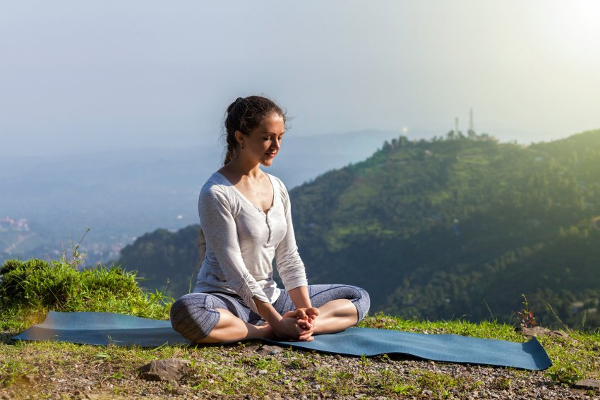
Home meditation practice typically lasted 8-12 weeks.  Studies where it did extend for longer, did not include brain changes.  This is one of the first on brain changes in MCI and Alzheimer’s disease that explores the effects of silent, sitting meditation alone, practiced daily over a long term. The techniques are similar to those commonly practiced by regular meditation practitioners yet simplified enough to train a patient with early memory loss.

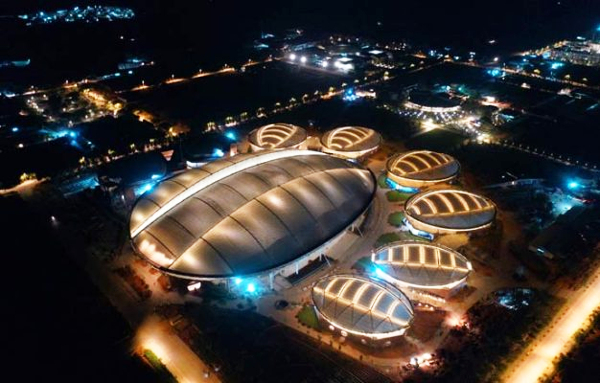
World’s Largest Meditation Centre Comes Up in Hyderabad

The magnificent structure has one central hall and eight secondary halls is spread across 30 acres and can accommodate 100,000 practitioners at one go, making it the largest closed structure meditation centre in the world. The meditation centre when lit up at night looks resplendent and can easily match the grandeur of other popular global structures such as the Sydney harbour.