Food and Frolic

Food from different parts of India, the history and heritage behind authentic Indian foods.

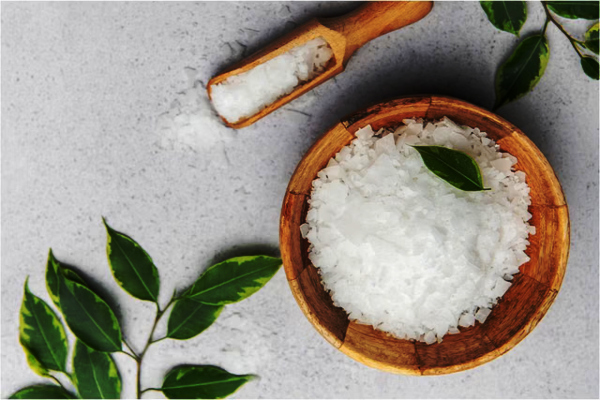
Camphor in Ayurveda: Karpura, the Fragrant Cooling Jewel of Indian Medicine

The Sanskrit name Karpura refers to camphor, traditionally obtained from the camphor tree, botanically known as Cinnamomum camphora. In Indian homes, it is often called Karpooram, Kapur, Karpuram or Pachai Karpooram, depending on language and region. Ayurveda values Karpura for its strong aroma, subtle action, cooling impression, lightness and ability to awaken the senses. It belongs to the group of substances where even a tiny quantity carries powerful influence.

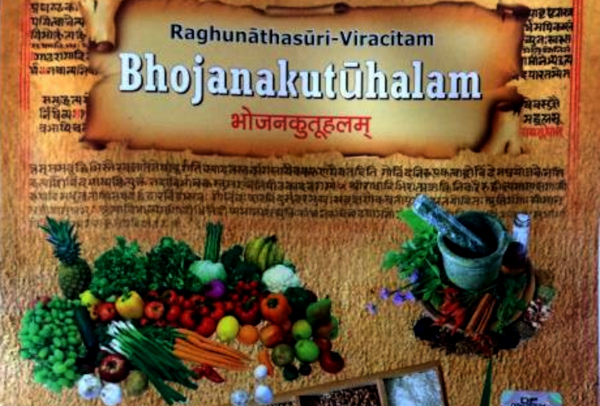
Bhojana Kutuhala: The Ayurvedic Book That Turned Food Into a Complete Science of Health

The text is attributed to Raghunatha Ganesa Navahasta, also known as Raghunatha Suri, a 17th-century Maratha scholar. He belonged to a period when Sanskrit learning, Ayurveda, temple culture, royal patronage and regional culinary traditions were all active. Bhojana Kutuhala stands at this meeting point. It gathers the older wisdom of Ayurvedic classics and combines it with practical knowledge of cooking, diet, food processing and daily eating.

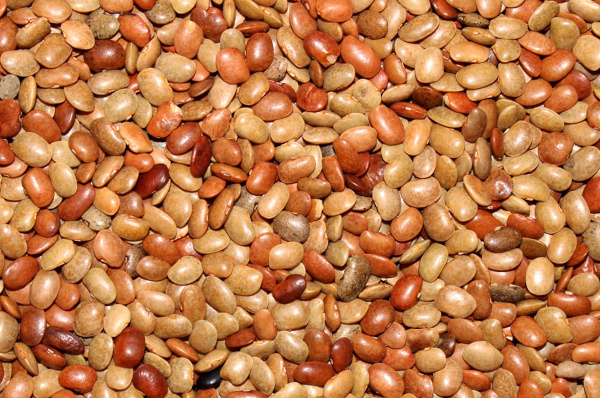
Horse Gram in Ayurveda: Kulattha, the Ancient Pulse of Strength, Warmth and Deep Cleansing

The botanical identity of horse gram is Macrotyloma uniflorum, also historically recorded under Dolichos biflorus. It belongs to the legume family and grows well in dry, difficult conditions. This hardy nature reflects its food character. It is dense in strength, warming in action, and suitable for people who need energy, lightness and stimulation of sluggish digestion. Traditional communities used it especially in rainy and cold seasons, after heavy meals, in states of excess Kapha, and in food routines meant to reduce heaviness.

Bhavaprakasha Nighantu: The Ayurvedic Materia Medica That Preserved India’s Living Pharmacy

Acharya Bhavamishra wrote at a time when Ayurveda had already developed a vast intellectual foundation. Earlier classics had explained the principles of life, disease, diagnosis, surgery, pharmacology, rejuvenation, purification and dietetics. Bhavamishra’s achievement was to collect, arrange and refresh this knowledge for the needs of his own age. His work preserved the authority of the ancient tradition while also showing awareness of new diseases, new drugs, new trade routes and new medical interactions.

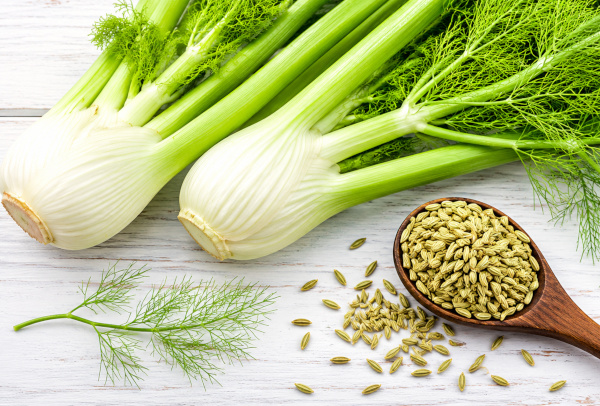
Fennel Seeds in Ayurveda: Saunf as the Gentle Digestive Spice of the Indian Kitchen

In classical Ayurvedic language, fennel is commonly identified as Mishreya, Mishi or Madhurika. The Ayurvedic Pharmacopoeia of India identifies Mishreya as the dried ripe fruit of Foeniculum vulgare Mill., belonging to the Umbelliferae family, now commonly placed under Apiaceae. The plant is described as an aromatic herb, usually 1–2 metres high, cultivated widely in India and sometimes found wild. What we casually call fennel “seeds” are botanically the dried fruits of the plant.

Mustard in Ayurveda: The Fiery Kitchen Medicine Hidden in Indian Food

Ayurveda classifies mustard as katu-tikta rasa — pungent and bitter in taste — with snigdha and tikshna guna, meaning oily and penetrating in quality. Its virya, or potency, is ushna, meaning heating, and its vipaka, or post-digestive effect, is pungent. The Ayurvedic Pharmacopoeia of India lists mustard seed as Deepana, Kaphahara, Vatahara, Hridya and Pittakara, meaning it supports digestive fire, helps reduce excess Kapha, pacifies Vata in suitable contexts, supports the heart, and can increase Pitta if overused.

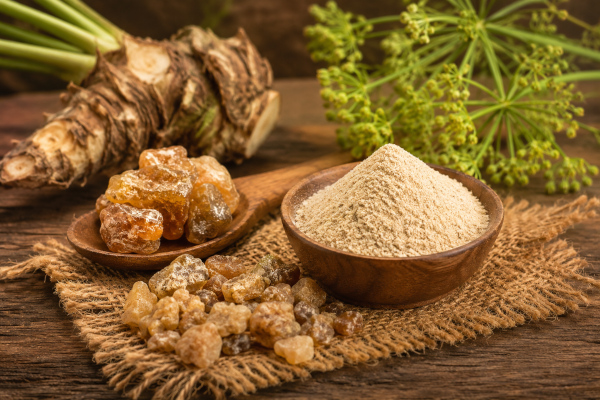
Asafoetida in Ayurveda: The Fierce Little Pinch That Turns Food Into Medicine

In Ayurveda, Hingu is valued mainly as a Deepana-Pachana dravya — a substance that kindles digestive fire and helps the body process food properly. This is why Indian cooking traditionally adds a tiny pinch of hing to dals, sambar, rasam, kadhi, chana, rajma, yam, colocasia, leafy vegetables and other foods that may otherwise produce heaviness, bloating or gas. The idea is simple but profound: digestion is not an afterthought in Indian food; digestion is built into the recipe itself.