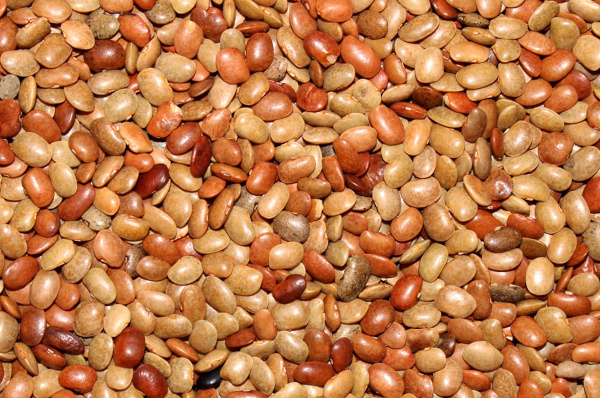
Horse gram, known in Sanskrit as Kulattha, is one of the most powerful traditional pulses in the Ayurvedic food system. It is small, earthy, hardy and deeply nourishing, yet its main Ayurvedic fame comes from its strong cleansing and channel-opening nature. In Indian kitchens, it is known by many regional names: Kollu in Tamil, Muthira in Malayalam, Hurali in Kannada, Ulavalu in Telugu, Kulthi in Hindi and Kulith in Marathi. It is a pulse of farmers, warriors, hill communities and traditional households, valued for stamina, digestive fire, winter strength and metabolic balance.
In Ayurveda, food is never seen merely as calories. Food is medicine, rhythm, seasonal intelligence and daily discipline. Horse gram is a perfect example of this principle. It is a common kitchen pulse, yet classical Ayurvedic thought treats it as a strong functional food with clear effects on Agni, Kapha, Meda, Vata movement, urinary channels and body heaviness. It is the kind of food that reminds us how ancient Indian kitchens worked like home dispensaries, where soups, gruels, broths and spiced pulses were prepared according to climate, body type and condition.
The botanical identity of horse gram is Macrotyloma uniflorum, also historically recorded under Dolichos biflorus. It belongs to the legume family and grows well in dry, difficult conditions. This hardy nature reflects its food character. It is dense in strength, warming in action, and suitable for people who need energy, lightness and stimulation of sluggish digestion. Traditional communities used it especially in rainy and cold seasons, after heavy meals, in states of excess Kapha, and in food routines meant to reduce heaviness.
Ayurveda describes Kulattha as generally Kashaya in taste, meaning astringent. It also carries pungent and slightly bitter undertones in practical experience. Its Guna, or qualities, are Laghu and Ruksha: light and dry. Its Virya, or potency, is Ushna, meaning hot. Its Vipaka is often explained as Katu or Amla depending on the textual tradition. Its overall action is sharp, scraping, warming and channel-clearing. This makes it especially useful where the body is carrying excess Kapha, Meda, Ama-like heaviness, sluggish metabolism or cold stagnation.
The phrase most associated with horse gram is Lekhana. Lekhana means scraping or reducing. It does not mean harsh starvation. It means the ability to help remove accumulated heaviness, sticky Kapha and excess Meda from the system when used properly. In traditional Ayurvedic food logic, horse gram is the opposite of heavy, sweet, oily, cold and clogging foods. It brings heat, dryness, movement and sharpness. This is why it is respected in traditional weight-management diets, post-rainy-season food routines and Kapha-reducing meal plans.
Kulattha is also closely linked with Mutravaha Srotas, the urinary channels. Classical Ayurvedic practice often remembers horse gram in connection with Ashmari, the stone-forming tendency in the urinary system. Horse gram decoction, yusha and soup are traditionally used in diet plans for urinary gravel, sluggish urination and Kapha-type obstruction in the urinary passage. This must be understood as a traditional dietary support, not as a replacement for medical treatment in kidney stones, infection, severe pain or urinary obstruction.
For digestion, horse gram works as a strong Agni-supporting pulse. It is warming, pungent in effect and useful when digestion is dull, appetite is weak because of Kapha, or the stomach feels heavy after food. Its dry and light qualities help reduce the feeling of stagnation. When cooked with ginger, asafoetida, cumin, black pepper, turmeric and rock salt, it becomes easier to digest and more suitable as a medicinal soup. This is why traditional recipes rarely use horse gram plain. They combine it with deepana and pachana spices that kindle digestion and reduce gas.
For Kapha conditions, Kulattha is one of the most respected pulses. Kapha is heavy, cold, slow, moist and stable. Horse gram is hot, dry, sharp and mobile. This makes it useful in Kapha-type cough with heaviness, excess phlegm tendency, cold-body constitution, sluggish metabolism, heaviness after eating and water retention tendencies. A thin horse gram soup with dry ginger, pepper, cumin and hing is a classic food idea for such states.
For Vata, the story is more careful. Horse gram can help Vata by promoting downward movement of gas and supporting Vata anulomana when prepared as a soup with enough water, salt, hing and warming spices. At the same time, because it is dry, sharp and heating, excessive use can aggravate dryness, gas, acidity or body heat in sensitive people. This is why preparation matters. Soaked, well-cooked, spiced and soupy horse gram is very different from dry, undercooked or excessive horse gram.
For Pitta, horse gram needs caution. Its heating nature can aggravate burning sensation, acidity, mouth ulcers, inflammatory heat, bleeding tendency or excessive thirst in Pitta-dominant people. Such people may still take it occasionally in small quantity when balanced with cooling supports, ghee, coriander, coconut, diluted buttermilk or gentle vegetables, but daily strong horse gram rasam or decoction is usually better suited for Kapha-dominant and cold-body constitutions.
In traditional Indian households, horse gram appears in several forms: yusha, soopa, rasam, kanji, chutney, sprouted salad, dry roasted powder, porridge and decoction. The thinnest form is yusha, a light pulse broth. Soopa is a soup, often richer and more seasoned. Rasam-style preparations are common in South India. Roasted horse gram powder is mixed with rice, ghee and spices. Sprouted horse gram is used carefully, usually in small quantity, because sprouting makes it lively but still strong.
The best practice is to soak horse gram overnight. Soaking softens the grain, reduces cooking time and supports digestibility. The soaked water may be discarded for people prone to gas. The pulse should then be pressure-cooked or slow-cooked until fully soft. A medicinal soup can be prepared from the cooked liquid and mashed pulse. Hing, dry ginger, black pepper, cumin, coriander, garlic, curry leaves, turmeric and rock salt are traditional companions. A little ghee can be added for people with dryness, while Kapha-dominant people may use less oil.
Horse gram is especially suitable in the cold season, rainy season and windy weather when the body needs warmth and internal fire. It is also useful after periods of overeating, excess sweets, excess curd, excess fried food and sedentary routine. In Kerala and Tamil Nadu, Kollu or Muthira rasam is often remembered as a strengthening, heating and cleansing food. In hilly and rural regions, horse gram was valued as a stamina pulse because it gave energy and kept the body warm.
From a nutrition point of view, horse gram is rich in plant protein, complex carbohydrates, fibre, minerals and polyphenols. Its dense nutritional value made it important for communities that needed strength from simple foods. Modern nutrition also recognises horse gram as an underutilised legume with strong potential for food security, plant protein and climate-resilient agriculture. Ayurveda had already recognised this pulse through a different language: it saw its strength, heat, dryness, scraping quality and usefulness in correcting heaviness.
Horse gram is also deeply connected with the idea of poor man’s medicine. It was never an elite food alone. It belonged to village kitchens, cattle-rearing communities, hill farmers and working families. Its beauty lies in this accessibility. A simple pot of horse gram soup could nourish the body, kindle digestion, reduce heaviness and support strength without expensive ingredients. This is the greatness of Indian food wisdom: powerful dietetics hidden inside ordinary pulses.
The manuscript tradition also preserves horse gram in formal culinary-Ayurvedic literature. The uploaded reference records the preparation as Kulattha Soopa, meaning Horse Gram Soup, from Pakadarpanam, 1/121–126. In the classical cooking tradition, this preparation belongs to the category of drinkable food. The fuller recipe tradition describes a soup prepared from dehusked Kulattha along with other pulses such as Masha, Nishpava, Tuvari and Chanaka, cooked with water and seasoned with Haridra, Hingu, Saindhava Lavana, Karpura and fragrant flowers. This shows the refinement of ancient Indian cooking: even a pulse soup was not treated as a rough village dish alone, but as a carefully designed preparation with taste, aroma, digestibility and health value.
The manuscript-style recipe may be carried in the article as follows: Kulattha Soopa, or Horse Gram Soup, is a drinkable preparation from Pakadarpanam, 1/121–126. Dehusked Kulattha is cooked with selected pulses and water, then seasoned with Saindhava Lavana, Haridra and Hingu, and finally made fragrant with Karpura and aromatic flowers. It is best consumed fresh within the day and is described as hot in potency, bitter-pungent in taste-effect, dry in quality, useful for improving taste and traditionally associated with Pitta-shamana in that specific formulation.
In practical modern cooking, a simpler household horse gram soup can be made by soaking one cup of horse gram overnight, cooking it until soft, and simmering the cooked liquid with crushed pepper, cumin, dry ginger, hing, turmeric, curry leaves and rock salt. The cooked grains may be lightly mashed into the soup. A small amount of ghee can be added for flavour and Vata balance. Lemon may be added at the end for taste, though those with acidity can avoid it. This soup is best taken warm, especially in the afternoon or early evening.
Horse gram should be used with intelligence. It is not ideal for daily heavy use in people with high Pitta, severe acidity, active ulcers, burning urination, bleeding disorders, extreme dryness, pregnancy-related heat issues or severe debility. People with kidney disease, recurrent kidney stones, diabetes medication, major digestive disorders or chronic illness should use it under professional guidance. Horse gram is strong food. Strong food gives benefit when matched with the right person, right season, right dose and right preparation.
The Ayurvedic lesson of Kulattha is simple and profound. Some foods build. Some foods cool. Some foods lubricate. Some foods cleanse. Horse gram belongs to the cleansing, warming and strengthening group. It cuts through heaviness, wakes up digestion, supports urinary channels, reduces Kapha-type stagnation and gives deep rustic energy. It is a pulse of fire, discipline and movement.
In the language of Ayurveda, horse gram is not just a bean. It is Kulattha, a food-medicine that carries the heat of the earth, the strength of the farmer, the wisdom of the kitchen and the precision of ancient dietetics. When soaked properly, cooked well, spiced intelligently and eaten according to constitution, it becomes one of India’s most remarkable examples of the principle that food itself is medicine.
You may also like
-
Ayurveda on Eating at the Right Time: How Food Timing Supports Balance and Health
-
Ayurveda and Late-Night Living: What Irregular Sleep Does to the Body
-
India’s Ayush Services Economy Reaches $36.92 Billion, RIS Study Projects Strong Growth to 2047
-
Daytime Sleep in Ayurveda: When It Helps and When It Harms
-
Ayurveda and Sleep: Understanding Nidra as a Pillar of Health
