Balaghat Chinnor Rice of Madhya Pradesh: The Fragrant Heritage Grain with GI Recognition
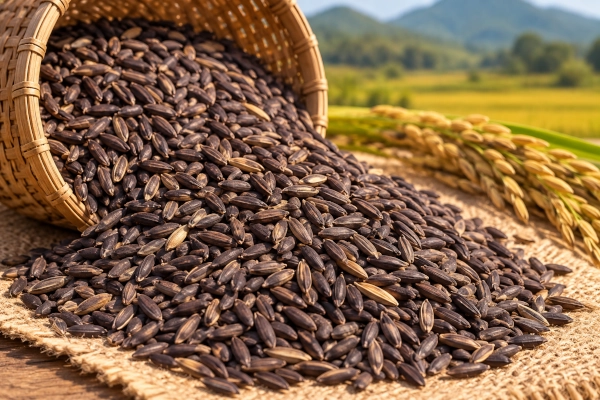
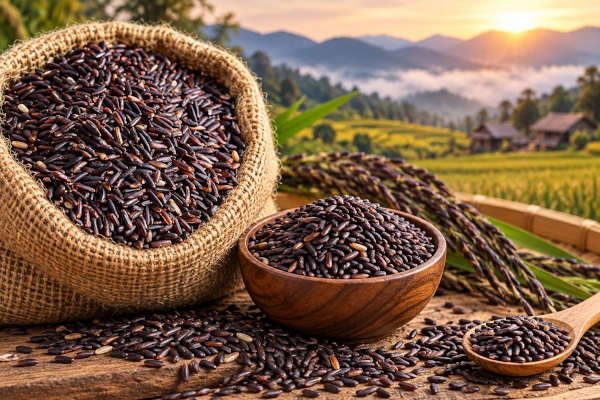
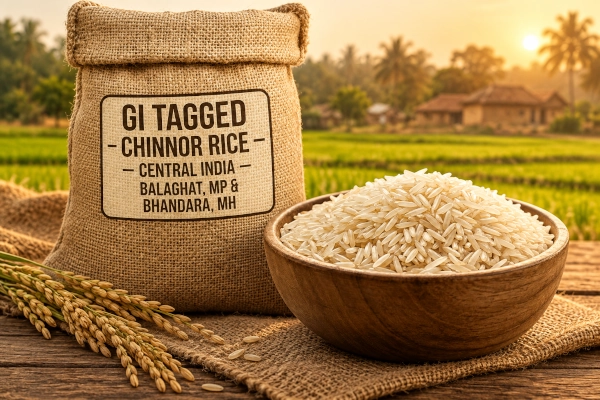
In the fertile paddy fields of Madhya Pradesh’s Balaghat district grows Chinnor, an indigenous aromatic
In the fertile paddy fields of Madhya Pradesh’s Balaghat district grows Chinnor, an indigenous aromatic
The rice received formal recognition under India’s Geographical Indications (GI) system on 2 January 2024, establishing its legally protected geographical identity. The recognition represents an important milestone for the tribal farming communities of Koraput, whose traditional seed conservation and agricultural practices have helped preserve this valuable indigenous variety.
Chak-Hao received Geographical Indication registration on April 20, 2020, formally recognising its geographical association with Manipur and Nagaland. The recognition has strengthened the identity of this indigenous grain and created opportunities for farmers to participate in the growing market for speciality rice.
Nagri Dubraj received formal recognition under India’s Geographical Indications (GI) system, with its registration certificate issued on 31 January 2023. The recognition established its identity as a geographically associated agricultural product and strengthened efforts to conserve one of Chhattisgarh’s distinctive aromatic rice varieties.
Jeeraphool received Geographical Indication (GI) registration on March 14, 2019, recognising its connection with Chhattisgarh’s traditional agricultural practices and geographical identity. The recognition has helped bring attention to a regional rice variety that local communities have carefully maintained through traditional cultivation and seed conservation.
India exported 7,264.89 metric tonnes of makhana products during FY2025–26, generating export earnings of ₹192.96 crore. The figures were published in an official government assessment of the makhana sector released on 19 August 2026.
Marcha Rice received recognition under India’s Geographical Indications (GI) system, with its registration certificate issued on 31 July 2023. The recognition formally established the association between this indigenous agricultural product and its geographical origin in Bihar, strengthening efforts to preserve a traditional rice variety cultivated by generations of farmers.
Gobindabhog is native to the Lower Gangetic plains and the Rarh region of Bengal, where farmers have cultivated it for centuries. Its traditional growing zone extends across districts such as Bardhaman, Hooghly, Nadia, Bankura, Birbhum, Murshidabad, Howrah and North 24 Parganas.
The traditional home of Tulaipanji lies in the old Dinajpur region, today divided between Uttar Dinajpur and Dakshin Dinajpur districts in West Bengal. The rice is cultivated most extensively in Uttar Dinajpur, where local farming communities have preserved it over generations. IBEF identifies Mohiniganj in North Dinajpur as one of the places especially associated with the variety.
Bhandara district lies in eastern Maharashtra, adjoining Madhya Pradesh and forming part of the fertile agricultural landscape associated with the Wainganga River basin. Paddy fields are a defining feature of the district, supported by its rainfall pattern, extensive water resources and numerous lakes and irrigation systems.