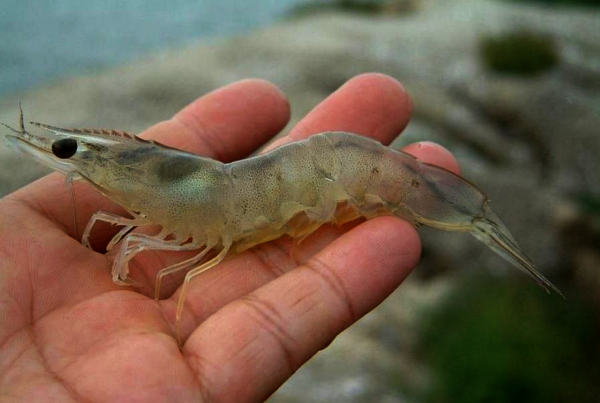
India is strengthening traceability, food safety and quality-control systems across its fisheries and aquaculture sector as part of a wider effort to expand seafood exports and improve access to international markets. The government is combining digital traceability, modern processing infrastructure, residue monitoring, certification programmes and sustainable aquaculture practices to create a more transparent seafood supply chain.
The Department of Fisheries is implementing several export-oriented infrastructure initiatives under the Pradhan Mantri Matsya Sampada Yojana. Fisheries and aquaculture projects with a combined cost of ₹21,394.88 crore were approved under the scheme between 2020–21 and 2025–26. These projects carry a Central share of ₹9,510.89 crore, of which ₹6,113.12 crore had been released. The programme includes investments in seafood processing, cold-chain facilities, fishing harbours, fish landing centres, certification, branding, capacity building and other infrastructure required to improve export competitiveness.
Additional infrastructure is being developed through the Fisheries and Aquaculture Infrastructure Development Fund. According to the detailed annexure released by the government, 18 export-promotion projects with a combined project cost of ₹527.13 crore have been approved, with ₹345.89 crore considered for interest-subvention support. These include 14 projects involving fish-processing units, expansion and modernisation of existing plants and value-added production facilities. Four additional projects relate to fish-meal and fish-oil plants in Kerala, Maharashtra and Goa.
The Marine Products Export Development Authority is also implementing the Technology Development for Specific Value-Added Marine Products Scheme. The programme supports the establishment and modernisation of seafood-processing plants, cold-storage facilities and automated machinery. It also assists infrastructure created for handling live, chilled, ornamental and dried fish and encourages the development of new value-added marine products.
Between 2021–22 and 2025–26, MPEDA extended financial assistance of ₹118.10 crore to 89 seafood-processing units under the scheme. The investment is intended to help Indian exporters move beyond basic frozen products and enter higher-value segments that require specialised processing, packaging, storage and handling systems.
Traceability has become increasingly important in international seafood trade because importing countries require exporters to demonstrate where a product originated, how it was cultivated or caught, which inputs were used and how it was handled during processing and transportation. A reliable traceability system can connect seafood products with hatcheries, farms, fishing vessels, landing centres, processing facilities, laboratories, cold-storage units and export consignments.
To create such a system, the Department of Fisheries released the National Framework on Traceability in Fisheries and Aquaculture in 2025. The framework proposes a national digital platform covering the entire fisheries and aquaculture value chain. Its objectives include strengthening food safety, quality assurance and transparency while helping producers and exporters comply with domestic regulations and the requirements of overseas markets.
The framework is designed for phased, technology-driven implementation. A National-Level Governance Committee will provide strategic oversight, while an Adoption Committee will support the introduction of the information-technology-based traceability system among farmers, fishers, processors, exporters and other stakeholders. The proposed mechanism is expected to improve consumer confidence, simplify verification and support the entry of Indian seafood into quality-sensitive markets.
The Export Inspection Council, functioning under the Department of Commerce, serves as the competent authority for the inspection and quality control of notified export products, including marine products. It conducts periodic training for approved seafood-export establishments on Food Safety Management System requirements.
Aquaculture shrimp intended for export must also undergo testing for banned antibiotics during the export-certification process. Such testing is particularly important for maintaining access to countries that impose strict maximum-residue limits and food-safety regulations on imported seafood.
MPEDA supports the quality-control system through pre-harvest testing and certification initiatives such as SHAPHARI. The certification programme promotes responsible aquaculture practices and encourages farms and hatcheries to meet standards relating to health management, biosecurity, environmental performance, traceability and the responsible use of inputs.
MPEDA, the Coastal Aquaculture Authority and the Export Inspection Council are also implementing the National Residue Control Plan. The programme monitors residues in aquaculture products and strengthens compliance with international safety requirements. It forms an important part of the country’s system for identifying prohibited substances, testing seafood products and preventing non-compliant consignments from entering the export chain.
The Coastal Aquaculture Authority has updated the list of prohibited pharmacologically active substances and antimicrobial agents under the Coastal Aquaculture Authority Rules, 2024. The updated restrictions are intended to improve responsible production practices and align Indian aquaculture with evolving global food-safety standards.
The government is simultaneously promoting the cultivation of export-oriented species such as scampi, mud crab, Asian seabass and cobia. Advanced production systems, including Recirculating Aquaculture Systems and biofloc technology, are being supported to improve productivity, resource efficiency and disease management.
Recirculating systems allow water to be treated and reused within controlled aquaculture facilities, while biofloc systems use beneficial microbial communities to recycle nutrients and maintain water quality. These technologies can support intensive production while reducing water requirements and improving control over environmental conditions.
Sustainability measures have also been integrated into the seafood-export strategy. The Department of Fisheries is supporting the Marine Mammal Stock Assessment Project and the installation of Turtle Excluder Devices on shrimp trawlers under PMMSY. Turtle Excluder Devices provide an escape route for sea turtles and other large animals that enter trawl nets, helping reduce accidental capture during shrimp fishing.
India’s seafood-export performance has expanded considerably over the past five financial years. Total exports increased from 13,69,264 tonnes valued at ₹57,586.48 crore in 2021–22 to 19,72,018 tonnes valued at ₹73,890.46 crore in 2025–26. Export quantity and earnings reached their highest levels of the five-year period during 2025–26.
Andhra Pradesh remained the country’s largest seafood-exporting state by value in 2025–26, shipping 4,09,274 tonnes of marine products worth ₹23,765.11 crore. Maharashtra exported 2,81,147 tonnes valued at ₹9,057.83 crore, while Kerala recorded exports of 1,94,224 tonnes worth ₹8,466.77 crore.
Tamil Nadu exported 1,52,144 tonnes valued at ₹7,660.48 crore, followed by Gujarat with 3,12,259 tonnes worth ₹7,145.67 crore. Odisha’s exports reached 1,00,864 tonnes valued at ₹5,431.95 crore, Karnataka exported 3,37,239 tonnes worth ₹5,371.85 crore and West Bengal recorded exports of 1,18,337 tonnes valued at ₹5,240.90 crore.
The figures show that export value depends on the species, product category, processing level and destination market, alongside the overall volume shipped. States exporting larger quantities can record lower earnings than states supplying high-value shrimp or processed products.
The combination of digital traceability, laboratory testing, certification, residue monitoring, cold-chain expansion and modern processing infrastructure is intended to make Indian seafood more reliable and competitive. It will also allow authorities and exporters to respond more effectively when importing countries request information about the origin, safety or production history of a consignment.
A national traceability platform could eventually allow seafood products to be tracked from hatchery or fishing vessel to the final overseas buyer. Such visibility would strengthen accountability throughout the supply chain while helping compliant producers distinguish their products in international markets.
The government’s initiatives place seafood traceability within a broader strategy of increasing exports through quality, value addition and responsible production. Their success will depend on the adoption of digital systems by small producers, effective coordination among agencies, accessible testing facilities and consistent compliance across farms, fishing vessels, landing centres, processors and exporters.
The information was provided by Union Minister for Fisheries, Animal Husbandry and Dairying Rajiv Ranjan Singh, also known as Lalan Singh, in a written reply to a question in the Rajya Sabha on July 22, 2026.
Source: PIB
You may also like
-
India’s Economic Warfare Challenge: Strategic Autonomy, Energy Security and the Rise of a Global Power
-
India-US Trade Deal Stalemate: Why Washington’s Tariff Pressure Has Failed to Secure an Agreement
-
US Double Standards in Foreign Policy: 16 Recent Cases Involving India, Russia, China and Global Trade
-
India’s Arctic Energy Ambitions: Russian Oil, LNG and a New Sea Route to Indian Ports
-
India and Russia Explore Joint Icebreaker Construction as Maritime Industrial Cooperation Expands
