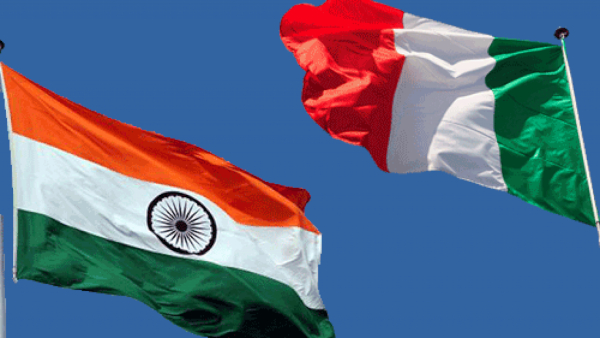
India and Italy have initiated discussions to strengthen bilateral cooperation in textile manufacturing, trade, investment, technological innovation and sustainable production, opening new opportunities for industrial collaboration between the two countries. An Indian delegation led by Ministry of Textiles Secretary Neelam Shami Rao visited Prato, one of Italy’s leading textile manufacturing centres, on November 4, 2026, to explore partnerships between Indian and Italian textile enterprises.
The visit forms part of India’s broader efforts to strengthen its international textile industry partnerships, improve access to advanced manufacturing technologies and expand opportunities for Indian manufacturers in European markets. The engagement also reflects growing economic cooperation between India and Italy, particularly in industries where manufacturing expertise, technological innovation and sustainable production practices can create mutually beneficial opportunities.
Indian Delegation Engages With Italy’s Textile Manufacturing Industry
During the visit to Prato, the Indian delegation interacted with the President of Confindustria Toscana Nord (CTN), an important Italian industrial association representing businesses in the region. The discussions examined opportunities to strengthen business relationships, facilitate technological exchanges and promote cooperation between textile manufacturers in both countries.
According to the Ministry of Textiles, the delegation also participated in a seminar dedicated to India-Italy cooperation in textiles and fashion. The programme brought together industry representatives to discuss developments in textile manufacturing, market opportunities and potential areas for collaboration. The seminar was followed by business-to-business meetings designed to establish direct connections between Indian and Italian companies interested in expanding commercial and industrial partnerships.
These interactions provide a platform for businesses to explore investment opportunities, technology partnerships, sourcing arrangements and manufacturing collaborations. Direct engagement between industry representatives can also facilitate the exchange of technical knowledge and help Indian manufacturers better understand the requirements of European textile and fashion markets.
Exploring Advanced Textile Manufacturing and Material Innovation
A major component of the Indian delegation’s visit involved examining the manufacturing ecosystem in Prato, which has an established reputation for textile production, material processing and industrial innovation. The delegation visited textile manufacturing facilities to gain insights into production technologies, material development and sustainable manufacturing practices adopted by Italian enterprises.
Italy’s textile industry possesses considerable expertise in high-value fabrics, specialised manufacturing processes, design-oriented production and advanced material development. These capabilities complement India’s extensive textile manufacturing base, which encompasses cotton, silk, wool, synthetic fibres, technical textiles, garments and traditional handloom products.
Industrial cooperation between the two countries can create opportunities to combine India’s large manufacturing capabilities and diverse raw material resources with Italian expertise in specialised processing, product development and design. Such partnerships could support improvements in manufacturing efficiency, product quality and technological capabilities while encouraging Indian companies to expand into higher-value textile segments.
The delegation’s engagement with manufacturing facilities also highlights India’s interest in strengthening industrial knowledge exchanges. Exposure to advanced production systems and material innovation can support the adoption of new manufacturing technologies and encourage collaboration in research, product development and specialised textile applications.
Sustainable Manufacturing Emerges as an Important Area of Cooperation
Sustainable textile production featured prominently in the discussions, reflecting the increasing importance of environmentally responsible manufacturing practices in international textile markets. The Ministry of Textiles identified sustainability, innovation and market access among the principal areas of cooperation being explored during the delegation’s visit.
The textile industry is undergoing technological changes involving resource-efficient production, improved material utilisation, recycling technologies and environmentally responsible processing methods. These developments are increasingly relevant to manufacturers supplying international markets, particularly those serving European buyers and global fashion brands.
Cooperation with Italian textile enterprises can provide opportunities for Indian manufacturers to explore advanced techniques for reducing resource consumption, improving production efficiency and developing sustainable textile products. Joint initiatives involving material innovation and manufacturing technologies could also strengthen the competitiveness of Indian textile exporters in international markets.
India’s established strengths in natural fibres, traditional textile production and diversified manufacturing provide a foundation for developing new approaches to sustainable textile manufacturing. Partnerships with technologically advanced industrial clusters such as Prato can complement these strengths by introducing additional expertise in specialised materials, efficient processing and modern production systems.
India-EU Trade Framework Creates Opportunities for Textile Partnerships
The Ministry of Textiles placed the visit within the broader context of the India-European Union Free Trade Agreement, highlighting the importance of strengthening industrial linkages, innovation and market access between Indian and European textile enterprises.
The India-EU trade framework provides an important context for expanding commercial engagement between Indian textile manufacturers and European businesses. Italy, with its established textile and fashion manufacturing ecosystem, represents a significant partner for developing industrial relationships and exploring opportunities in European textile supply chains.
For Indian textile exporters, closer cooperation with Italian companies can support engagement with European manufacturers, fashion businesses, technology providers and specialised textile markets. These partnerships may also facilitate the development of new sourcing arrangements, manufacturing collaborations and investment opportunities involving enterprises from both countries.
The engagement complements the broader India-Italy Special Strategic Partnership, under which the two governments have identified trade, investment, industrial cooperation and technological innovation as important areas for bilateral engagement. Textiles are among the sectors identified for greater industrial collaboration, reflecting the opportunities available to businesses operating across both manufacturing ecosystems.
Strengthening India’s Position in Global Textile Value Chains
India’s textile and apparel industry represents a major component of the country’s manufacturing economy, supporting employment, exports, agricultural value chains and a wide network of small and medium enterprises. The sector encompasses traditional textile production alongside modern manufacturing activities involving technical textiles, advanced fibres, specialised fabrics and integrated apparel production.
The industry’s international expansion increasingly involves strengthening design capabilities, improving production technologies and developing higher-value products for global markets. Partnerships with established textile manufacturing centres can help Indian enterprises access specialised industrial expertise while creating opportunities for foreign investment and technology collaboration.
The Prato engagement is particularly relevant to India’s efforts to develop a more technologically advanced and globally integrated textile manufacturing ecosystem. Collaboration involving material innovation, sustainable production and modern industrial processes can complement domestic initiatives aimed at improving productivity, strengthening manufacturing capabilities and expanding international market access.
The Indian delegation’s discussions with Italian industry representatives, participation in business meetings and visits to manufacturing facilities represent practical steps towards developing stronger commercial relationships. By connecting manufacturers, industry associations and technology providers, the engagement establishes additional opportunities for cooperation across textile production, industrial innovation and international trade.
India and Italy’s renewed focus on textile cooperation reinforces the importance of industry-led partnerships in strengthening bilateral economic relations. The discussions in Prato provide a foundation for expanding manufacturing collaboration, encouraging technological exchanges and developing closer connections between Indian textile enterprises and Europe’s established textile industry.
You may also like
-
India and Guatemala Explore Expanded Trade and Investment Cooperation Across Key Industrial Sectors
-
Indian Space Startup PierSight Advances Antenna Testing for Varuna 2.0 Maritime Surveillance Satellite
-
India-Led International Solar Alliance Expands to 116 Members as Bahamas Joins
-
Chennai Deep-Tech Startup Torus Motion Develops Indigenous Axial-Flux Motors for Electric Vehicles and Industrial Automation
-
India Extends $500 Million Credit Line to Guyana for Infrastructure, Healthcare and Defence Projects
