Infrastructure

Indian Infrastructures and Capabilities

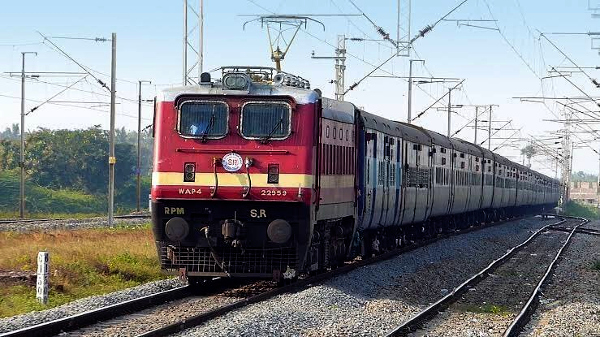
India’s Bullet Train Project Moves Into Track Installation Phase as ‘Vande Bullet’ Prototype Targets 2027 Rollout

The latest update from the Ministry of Railways says the corridor will use the Japanese J-Slab ballastless track system, based on Shinkansen technology, for the first time in India. Unlike conventional railway tracks that use loose ballast stones, this system uses a reinforced concrete track bed, cement asphalt mortar, pre-cast track slabs, rails and fasteners to create a highly stable track structure suitable for high-speed operations.

Government Unveils ₹203-Crore TDIP Scheme to Push 6G and Homegrown Telecom Innovation

The scheme is designed to support Indian participation in key international telecom forums such as the International Telecommunication Union, 3GPP and oneM2M, giving domestic stakeholders financial assistance for attending global meetings, submitting technical contributions, taking up leadership roles in study groups and hosting international standardisation events in India.

India Eyes 100 GW Nuclear Power Capacity by 2047 in Major Long-Term Energy Push

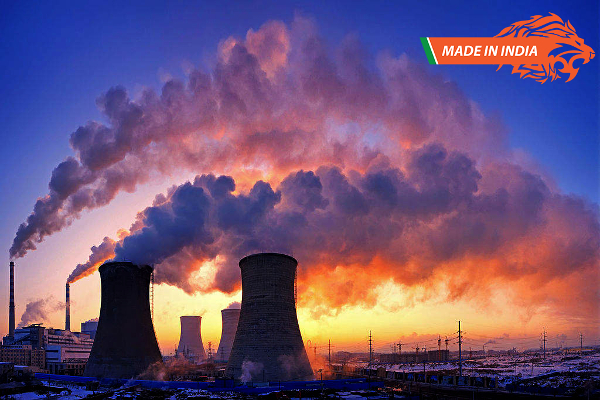
The push comes as India looks for reliable low-carbon baseload power to support rising electricity demand over the next two decades. According to the Union government’s implementation report on budget announcements, the development of at least 100 GW of nuclear energy by 2047 is considered essential for India’s energy transition, and a formal roadmap for reaching that level has already been prepared and circulated for stakeholder discussions.

India’s Digital Advertising Market May Nearly Double to US$22 Billion by 2030

The expansion is being driven by a mix of structural factors, including rising internet penetration, widespread smartphone usage, and a strong consumer shift toward mobile-first digital behaviour. Advertisers are increasingly moving budgets to digital channels because they offer sharper audience targeting, real-time campaign tracking and clearer returns on spending compared with traditional media.