Kautilya

Eurasian Lynx Photographed for First Time in Sikkim, Expanding Eastern Himalayan Wildlife Record

The record emerged during a long-term snow leopard and rangeland monitoring programme jointly carried out by the Sikkim Forest and Environment Department and WWF-India. The programme began after Sikkim’s first comprehensive snow leopard population assessment in 2022 and is aimed at tracking snow leopards, documenting associated wildlife and understanding the ecological health of high-altitude grasslands.

India–Norway Sanskrit Culture: The Ancient Linguistic Bridge between the Vedic and Norse Worlds

These similarities are powerful because they show a shared ancestral layer beneath two distant cultures. A Norwegian child saying mor and an Indian tradition preserving mātṛ are separated by geography and centuries, yet they echo an older linguistic inheritance. The same pattern appears in bror and bhrātṛ, where the sound has changed but the ancestral relationship remains visible.

Vetiver in Ayurveda — Ushira, the Cooling Root of Fragrance and Balance

In the Ayurvedic understanding of food and medicine, vetiver is valued as a cooling, fragrant and calming herb. It is especially remembered for its ability to support the body during heat, thirst, fatigue, burning sensation and excess pitta conditions. The root is light, pleasant and naturally aromatic, making it useful both as a medicinal ingredient and as a daily seasonal wellness support.

APEDA Facilitates First Export of Areko Cherries and Scentrose Plums from Jammu & Kashmir to UAE

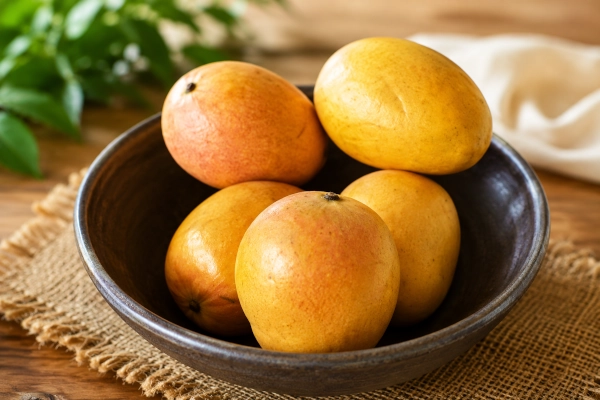
The inaugural consignment, comprising one metric tonne of premium stone fruits sourced from farmers in Shopian and Pulwama districts, marks a significant milestone in promoting Jammu & Kashmir’s high-value horticultural produce in international markets. The shipment reflects the growing global demand for premium Indian fruits and the region’s increasing potential as an export hub.

Phase-II Ballistic Missile Defence System: DRDO’s Strategic Shield Against 5,000 km-Class Missile Threats

The phrase 5,000 km-class ballistic missile threat carries major strategic weight. Missiles in this category are generally associated with long-range regional or strategic strike capability. A defence system able to counter such threats gives India a stronger shield against high-value missile attacks aimed at cities, command centres, military bases and strategic assets. It strengthens national deterrence by reducing the confidence of an adversary that a ballistic missile strike can succeed.