In the ancient age, when the forests were deeper, the rivers broader and the voices of gods still travelled clearly through the wind, the race of the Nagas multiplied beneath the earth and along the hidden banks of sacred waters.
They were the sons of Kadru, born with shining scales, powerful bodies and venom capable of darkening the blood of kings. Some guarded treasures buried beneath mountains. Some dwelt in jeweled palaces beneath rivers. Some possessed wisdom older than human memory.
Yet among them also grew arrogance, jealousy and cruelty.
Many Nagas delighted in frightening weaker creatures. They struck without warning, poisoned wells, disturbed hermitages and mocked those who lived by restraint. Their anger was swift, their grudges long and their pride sharpened by the knowledge that even mighty warriors feared their bite.
In their gatherings, they spoke eagerly of revenge and destruction. Their hoods rose like black banners. Their eyes glowed like embers in a cavern. The air around them seemed heavy with venom.
Among these brothers lived Shesha.
He was immense even among the Nagas. His coils could circle hills, and when he raised his many hoods, they spread like a royal canopy. His body shone pale and radiant, as though moonlight had taken the form of a serpent.
But unlike many of his brothers, Shesha found no pleasure in cruelty.
He watched them torment the innocent, scheme against rivals and speak with hatred of gods, men and other beings. Every act of needless violence pierced him more deeply than any weapon.
At first, he tried to reason with them.
“Strength,” he said, “was not given to us so that we may frighten the helpless. Venom is not greatness. Terror is not honour. A powerful being who cannot govern his own anger is weaker than the smallest creature that lives without hatred.”
His brothers laughed.
Some called him timid. Others accused him of betraying his race. A few spread their hoods and hissed that mercy was merely fear wearing the mask of virtue.
Shesha endured their mockery, but sorrow grew within him.
He had also seen the deceit through which Kadru had won her contest with Vinata. Many of the Nagas had obeyed their mother and darkened the tail of the celestial horse Uchchaihshravas, turning falsehood into victory. From that deception had come bondage, bitterness and a curse that would one day threaten the entire serpent race.
Shesha could feel the shadow of that future gathering around his brothers.
Their cruelty was not merely harming others. It was drawing destruction towards themselves.
One night, beneath a sky filled with cold stars, Shesha left them.
He did not depart in anger. He carried no hatred for his brothers. He simply understood that remaining among them would stain his own mind and weaken his devotion to righteousness.
Without ceremony, without followers and without looking back, the great serpent moved away from the jeweled halls of the Nagas.
His immense body passed silently through the forests. Animals froze when they saw him, but Shesha harmed none of them. Deer watched from behind trees. Birds fell silent upon their branches. Even lions withdrew from his path.
He travelled first to Gandhamadana, where the mountain peaks rose like the pillars of heaven. There he began his austerities.
Shesha gave up food.
He rested upon bare stone and fixed his mind upon truth. Heat burned his scales by day. Mountain winds froze them by night. Rain struck his body in silver sheets, but he remained unmoving.
Seasons passed.
Grass grew around his coils. Creepers climbed across his body. Birds built nests near him, unafraid. His breath became slow and faint, and his senses withdrew from the world.
Still dissatisfied with the severity of his penance, Shesha journeyed to other sacred places.
He performed austerities at Badarika, where the air carried the fragrance of wild blossoms and snow-fed rivers sang among the rocks. He meditated at Gokarna, where the ocean hurled itself endlessly against the shore. He went to Pushkara, where the desert wind swept across the sacred waters. He visited the slopes of the Himalayas and lonely forests known only to sages.
Everywhere, Shesha practised restraint.
He stood upon the tip of his tail for long years. He controlled his breath until his body appeared lifeless. He endured hunger until his flesh became thin and his bones seemed visible beneath his scales.
The brilliance of his penance grew so fierce that the worlds began to feel its heat.
The roots of mountains trembled. The waters beneath the earth stirred. Sages opened their eyes from meditation and wondered what powerful being was burning away his destiny through austerity.
At last, Brahma, the Creator, came before him.
The four-faced Lord appeared in a radiance that filled the wilderness. The Vedas seemed to murmur in the air around him. Lotus fragrance spread across the barren ground, and the winds became still.
“Shesha,” Brahma said, “your austerities are shaking the worlds. What do you seek? Ask for a boon.”
Shesha slowly opened his eyes.
For years he had looked inward, but now he beheld the Creator standing before him. Bowing his many heads, he spoke without pride.
“Lord, I desire neither kingdom nor wealth. I seek no victory over gods or enemies. I ask only that my mind may remain firmly established in righteousness, peace and self-control.”
Brahma regarded him with approval.
“Why have you abandoned your mother and brothers?” he asked, though the Creator already knew the answer.
Shesha lowered his hoods.
“My brothers delight in cruelty,” he replied. “They are jealous of one another, hostile towards Garuda and filled with anger against many beings. Their hearts are restless, and their actions lead towards destruction. I could no longer live among them without being tormented by sorrow.”
His voice deepened.
“I do not wish to witness their hatred. Nor do I wish hatred for them to arise within me. Therefore I withdrew from their company and sought refuge in austerity.”
Brahma’s expression became gentle.
“Your desire is noble,” he said. “You have chosen restraint when power was yours. You have chosen solitude when pride might have brought you followers. You have chosen dharma even when those of your own blood mocked you.”
Then Brahma looked towards the Earth.
At that time, the world was not as steady as it later became. Vast mountains pressed upon her surface. Oceans surged within their basins. The weight of forests, cities, creatures and kingdoms shifted ceaselessly. Deep beneath the continents, powerful forces moved, and the Earth trembled under the burden she carried.
Brahma turned again to Shesha.
“There is a task suited to your strength and your nature,” he said. “The Earth requires a foundation. Support her from below and preserve her stability. Hold her steady so that mountains may remain rooted, oceans may remain within their shores and living beings may fulfil their destinies.”
Shesha bowed.
“To uphold the world is an honour greater than any throne,” he said. “Show me the path, Lord, and I shall obey.”
Brahma directed him towards a deep opening in the Earth.
Shesha entered it.
He descended beyond caves where gems glowed in eternal darkness. He passed through subterranean rivers, chambers of fire and regions unknown to men. Deeper and deeper he went, until even the rumbling of the surface world became faint.
Then he reached the foundations of the Earth.
There the great serpent expanded.
His coils spread beneath mountains and oceans. His enormous body formed a living support beneath the world. He raised the Earth upon his hoods, holding her with perfect balance.
The burden was immeasurable.
Upon him rested forests filled with life, rivers winding towards the sea, kingdoms rising and falling, armies marching, sages meditating and generations yet unborn.
Yet Shesha did not tremble.
His strength came not merely from his body but from the stillness he had gained through penance. Anger could have shaken him. Pride could have made the burden unbearable. Desire could have distracted him.
But Shesha had conquered these within himself.
Thus he became Ananta—the Endless One.
While his brothers remained caught in rivalry, fear and the consequences of their deeds, Shesha became the silent foundation of the world. He neither demanded worship nor announced his sacrifice. Hidden beneath the Earth, he simply continued to bear its weight.
The mountains stood because he was steady.
The seas remained within their boundaries because he did not move.
The world continued upon its course because the serpent who possessed the strength to destroy had chosen instead to support.
And so the story of Shesha teaches that greatness does not always appear upon a battlefield. Sometimes it is found in withdrawal from evil, in mastery over anger and in the willingness to carry an immense burden without seeking praise.
Shesha left his brothers not because he had ceased to care for them, but because he refused to become like them.
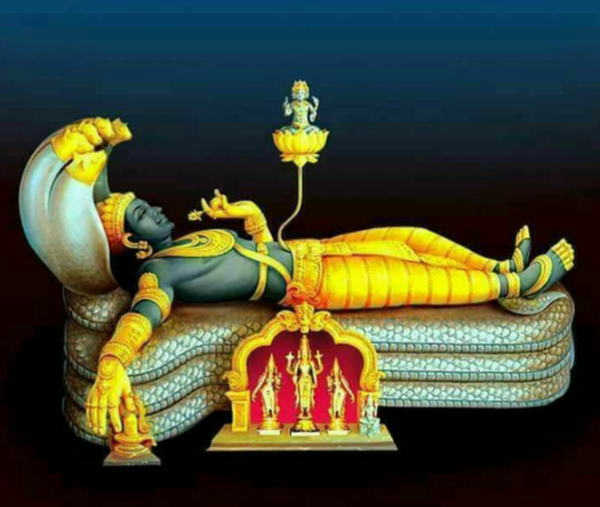
Through that choice, the sorrowful serpent became the guardian of cosmic balance, the couch of Lord Vishnu and the eternal foundation upon which the Earth rests.
In the ancient age, when the forests were deeper, the rivers broader and the voices of gods still travelled clearly through the wind, the race of the Nagas multiplied beneath the earth and along the hidden banks of sacred waters.
They were the sons of Kadru, born with shining scales, powerful bodies and venom capable of darkening the blood of kings. Some guarded treasures buried beneath mountains. Some dwelt in jeweled palaces beneath rivers. Some possessed wisdom older than human memory.
Yet among them also grew arrogance, jealousy and cruelty.
Many Nagas delighted in frightening weaker creatures. They struck without warning, poisoned wells, disturbed hermitages and mocked those who lived by restraint. Their anger was swift, their grudges long and their pride sharpened by the knowledge that even mighty warriors feared their bite.
In their gatherings, they spoke eagerly of revenge and destruction. Their hoods rose like black banners. Their eyes glowed like embers in a cavern. The air around them seemed heavy with venom.
Among these brothers lived Shesha.
He was immense even among the Nagas. His coils could circle hills, and when he raised his many hoods, they spread like a royal canopy. His body shone pale and radiant, as though moonlight had taken the form of a serpent.
But unlike many of his brothers, Shesha found no pleasure in cruelty.
He watched them torment the innocent, scheme against rivals and speak with hatred of gods, men and other beings. Every act of needless violence pierced him more deeply than any weapon.
At first, he tried to reason with them.
“Strength,” he said, “was not given to us so that we may frighten the helpless. Venom is not greatness. Terror is not honour. A powerful being who cannot govern his own anger is weaker than the smallest creature that lives without hatred.”
His brothers laughed.
Some called him timid. Others accused him of betraying his race. A few spread their hoods and hissed that mercy was merely fear wearing the mask of virtue.
Shesha endured their mockery, but sorrow grew within him.
He had also seen the deceit through which Kadru had won her contest with Vinata. Many of the Nagas had obeyed their mother and darkened the tail of the celestial horse Uchchaihshravas, turning falsehood into victory. From that deception had come bondage, bitterness and a curse that would one day threaten the entire serpent race.
Shesha could feel the shadow of that future gathering around his brothers.
Their cruelty was not merely harming others. It was drawing destruction towards themselves.
One night, beneath a sky filled with cold stars, Shesha left them.
He did not depart in anger. He carried no hatred for his brothers. He simply understood that remaining among them would stain his own mind and weaken his devotion to righteousness.
Without ceremony, without followers and without looking back, the great serpent moved away from the jeweled halls of the Nagas.
His immense body passed silently through the forests. Animals froze when they saw him, but Shesha harmed none of them. Deer watched from behind trees. Birds fell silent upon their branches. Even lions withdrew from his path.
He travelled first to Gandhamadana, where the mountain peaks rose like the pillars of heaven. There he began his austerities.
Shesha gave up food.
He rested upon bare stone and fixed his mind upon truth. Heat burned his scales by day. Mountain winds froze them by night. Rain struck his body in silver sheets, but he remained unmoving.
Seasons passed.
Grass grew around his coils. Creepers climbed across his body. Birds built nests near him, unafraid. His breath became slow and faint, and his senses withdrew from the world.
Still dissatisfied with the severity of his penance, Shesha journeyed to other sacred places.
He performed austerities at Badarika, where the air carried the fragrance of wild blossoms and snow-fed rivers sang among the rocks. He meditated at Gokarna, where the ocean hurled itself endlessly against the shore. He went to Pushkara, where the desert wind swept across the sacred waters. He visited the slopes of the Himalayas and lonely forests known only to sages.
Everywhere, Shesha practised restraint.
He stood upon the tip of his tail for long years. He controlled his breath until his body appeared lifeless. He endured hunger until his flesh became thin and his bones seemed visible beneath his scales.
The brilliance of his penance grew so fierce that the worlds began to feel its heat.
The roots of mountains trembled. The waters beneath the earth stirred. Sages opened their eyes from meditation and wondered what powerful being was burning away his destiny through austerity.
At last, Brahma, the Creator, came before him.
The four-faced Lord appeared in a radiance that filled the wilderness. The Vedas seemed to murmur in the air around him. Lotus fragrance spread across the barren ground, and the winds became still.
“Shesha,” Brahma said, “your austerities are shaking the worlds. What do you seek? Ask for a boon.”
Shesha slowly opened his eyes.
For years he had looked inward, but now he beheld the Creator standing before him. Bowing his many heads, he spoke without pride.
“Lord, I desire neither kingdom nor wealth. I seek no victory over gods or enemies. I ask only that my mind may remain firmly established in righteousness, peace and self-control.”
Brahma regarded him with approval.
“Why have you abandoned your mother and brothers?” he asked, though the Creator already knew the answer.
Shesha lowered his hoods.
“My brothers delight in cruelty,” he replied. “They are jealous of one another, hostile towards Garuda and filled with anger against many beings. Their hearts are restless, and their actions lead towards destruction. I could no longer live among them without being tormented by sorrow.”
His voice deepened.
“I do not wish to witness their hatred. Nor do I wish hatred for them to arise within me. Therefore I withdrew from their company and sought refuge in austerity.”
Brahma’s expression became gentle.
“Your desire is noble,” he said. “You have chosen restraint when power was yours. You have chosen solitude when pride might have brought you followers. You have chosen dharma even when those of your own blood mocked you.”
Then Brahma looked towards the Earth.
At that time, the world was not as steady as it later became. Vast mountains pressed upon her surface. Oceans surged within their basins. The weight of forests, cities, creatures and kingdoms shifted ceaselessly. Deep beneath the continents, powerful forces moved, and the Earth trembled under the burden she carried.
Brahma turned again to Shesha.
“There is a task suited to your strength and your nature,” he said. “The Earth requires a foundation. Support her from below and preserve her stability. Hold her steady so that mountains may remain rooted, oceans may remain within their shores and living beings may fulfil their destinies.”
Shesha bowed.
“To uphold the world is an honour greater than any throne,” he said. “Show me the path, Lord, and I shall obey.”
Brahma directed him towards a deep opening in the Earth.
Shesha entered it.
He descended beyond caves where gems glowed in eternal darkness. He passed through subterranean rivers, chambers of fire and regions unknown to men. Deeper and deeper he went, until even the rumbling of the surface world became faint.
Then he reached the foundations of the Earth.
There the great serpent expanded.
His coils spread beneath mountains and oceans. His enormous body formed a living support beneath the world. He raised the Earth upon his hoods, holding her with perfect balance.
The burden was immeasurable.
Upon him rested forests filled with life, rivers winding towards the sea, kingdoms rising and falling, armies marching, sages meditating and generations yet unborn.
Yet Shesha did not tremble.
His strength came not merely from his body but from the stillness he had gained through penance. Anger could have shaken him. Pride could have made the burden unbearable. Desire could have distracted him.
But Shesha had conquered these within himself.
Thus he became Ananta—the Endless One.
While his brothers remained caught in rivalry, fear and the consequences of their deeds, Shesha became the silent foundation of the world. He neither demanded worship nor announced his sacrifice. Hidden beneath the Earth, he simply continued to bear its weight.
The mountains stood because he was steady.
The seas remained within their boundaries because he did not move.
The world continued upon its course because the serpent who possessed the strength to destroy had chosen instead to support.
And so the story of Shesha teaches that greatness does not always appear upon a battlefield. Sometimes it is found in withdrawal from evil, in mastery over anger and in the willingness to carry an immense burden without seeking praise.
Shesha left his brothers not because he had ceased to care for them, but because he refused to become like them.
Through that choice, the sorrowful serpent became the guardian of cosmic balance, the couch of Lord Vishnu and the eternal foundation upon which the Earth rests.
You may also like
-
Durga versus Mahishasura: Weapons, Battlefield Tactics and the Triumph of Shakti
-
National Institute of Naturopathy Opens Admissions for BNYS Programme at Pune for 2026–27
-
Yudhishthira’s Counter-Diplomacy With Shalya: Working With an Ally Who Has Joined the Other Side
-
Gnani AI Launches Nationwide Challenge Offering Up to 100 Paid AI Internships
-
NMMSS Scholarship Application Deadline Extended to October 31, 2026
