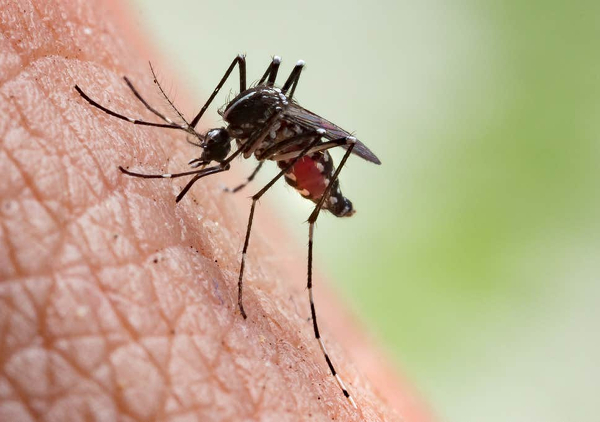
India has recorded a nearly 80% decline in both malaria cases and deaths between 2015 and 2025, marking a major advance in the country’s effort to eliminate the mosquito-borne disease by 2030. The number of districts classified as having a high malaria burden has also fallen sharply from 155 to just 33 over the decade.
Another significant milestone is the emergence of 160 districts that reported zero indigenous malaria cases during 2022–2025. Indigenous cases refer to infections acquired through local transmission rather than cases imported from another area, making sustained zero indigenous transmission an important indicator of progress towards malaria elimination.
Malaria Burden Now Concentrated in 33 Districts
Despite the nationwide improvement, malaria transmission remains concentrated in a relatively small number of areas. The remaining 33 high-burden districts are spread across nine States and Union Territories and accounted for 64% of all malaria cases and 54% of malaria deaths reported in India during 2025.
The areas receiving focused review include districts in Mizoram, Odisha, Tripura, Assam, Andhra Pradesh, the Andaman and Nicobar Islands, Chhattisgarh, Jharkhand and Maharashtra. The concentration of cases in these areas is prompting a shift towards more localised strategies rather than relying solely on uniform nationwide interventions.
District and Village-Level Action Plans to Intensify
The Union Health Ministry has called for stronger implementation of District Action Plans across all 33 high-burden districts, supplemented by Village Action Plans in communities where malaria transmission remains particularly persistent.
The approach is intended to tailor interventions to local geography, population patterns and malaria epidemiology. Conditions affecting transmission vary significantly between forested tribal regions, remote settlements, islands, urban areas and communities experiencing seasonal waterlogging, making locally designed interventions increasingly important as India moves closer to elimination.
‘Test, Treat and Track’ Remains Central to Elimination Strategy
India will continue strengthening its Test, Treat and Track strategy, which emphasises early diagnosis, complete treatment and continued surveillance of malaria cases.
Health authorities have identified delays in diagnosis and treatment as important contributors to malaria mortality. States have therefore been asked to intensify active surveillance and ensure uninterrupted availability of diagnostic facilities and anti-malarial medicines, particularly in hard-to-reach and vulnerable areas.
Surveillance has become especially important as transmission declines. When malaria becomes less common, individual infections and small clusters must be identified quickly to prevent new chains of local transmission from becoming established.
Greater Focus on Accuracy of Malaria Data
The next stage of elimination will also require more precise epidemiological information. States have been asked to examine unusually high Annual Blood Examination Rates (ABER) for possible duplicate testing, repeated entries or the inclusion of mass screening data that could distort assessments of malaria prevalence.
Asymptomatic infections detected during mass screening are to be recorded separately rather than being included in calculations of Annual Parasite Incidence and ABER, enabling health authorities to obtain a clearer picture of actual disease transmission and programme performance.
From Health Programme to Community-Based Elimination
Malaria control is also increasingly being treated as a challenge extending beyond the health system. Waterlogging, stagnant water, environmental conditions and mosquito-breeding sites require cooperation between health authorities, local governments and communities.
States have consequently been asked to strengthen coordination with Rural Development and Urban Development departments and Panchayati Raj Institutions. Self-help groups, community volunteers and local representatives are also expected to play a greater role in identifying breeding sites, reporting fever cases early and supporting source-reduction campaigns.
A Decade of Sustained Progress
India’s latest figures build on a substantial decline already visible earlier in the decade. Malaria cases had fallen from around 1.17 million in 2015 to about 2.28 lakh in 2023, while reported deaths declined from 384 to 83 over the same period. India also exited the World Health Organization’s High Burden to High Impact group in 2024, reflecting the substantial reduction in its malaria burden.
The government’s broader malaria-elimination framework combines early diagnosis and treatment, surveillance, vector control, distribution of long-lasting insecticidal nets, community mobilisation and real-time disease monitoring. The National Strategic Plan for Malaria Elimination 2023–27 is intended to move increasingly large parts of the country from control towards interruption of local transmission.
The Final Mile Could Be the Most Difficult
India’s progress over the past decade is substantial, but the latest review also highlights the challenge ahead. With nearly two-thirds of cases now concentrated in only 33 districts, the remaining malaria burden is increasingly clustered in areas where geography, access to healthcare, environmental conditions and vulnerable populations can make elimination more difficult.
The fall from 155 high-burden districts to 33, together with 160 districts sustaining zero indigenous cases, nevertheless demonstrates how dramatically the geographical footprint of malaria has contracted.
India has set 2030 as its malaria-elimination goal. Achieving it will now depend less on broad reductions across the entire country and increasingly on preventing resurgence in malaria-free areas while aggressively breaking the remaining chains of transmission in the relatively small number of persistent hotspots.
You may also like
-
Serum Institute of India-Manufactured Ebola Vaccine Enters Clinical Trial in Uganda
-
Ayurveda and Hydration: How Much Water Should We Really Drink?
-
Warm Water in Ayurveda: When and Why It Is Recommended
-
Women Make Up 43% of India’s Ayush Workforce as Sector Supports 17.6 Lakh Livelihoods
-
Sunfox Technologies Raises $7 Million to Take India-Built Spandan ECG Platform Global
