India’s defence modernisation programme is creating substantial opportunities for domestic manufacturers, with the Defence Acquisition Council (DAC) approving military procurement proposals worth approximately ₹1.62 lakh crore across two major meetings in July and September 2026. The approvals cover advanced missile systems, helicopters, surveillance technologies, electronic warfare equipment, naval systems and specialised military vehicles.
The expansion comes alongside India’s record defence budget of ₹7.85 lakh crore for FY2026–27, including ₹2.19 lakh crore earmarked for capital expenditure. The Ministry of Defence has also reserved ₹1.39 lakh crore for procurement from domestic manufacturers, reinforcing the government’s emphasis on indigenous defence production.
These developments are strengthening the potential procurement pipeline for Indian defence public-sector undertakings, private manufacturers and specialised technology companies. Major enterprises such as Hindustan Aeronautics Limited (HAL), Bharat Electronics Limited (BEL), Bharat Dynamics Limited (BDL) and other defence manufacturers operate in several technology segments covered by the new approvals.
Defence Capital Allocation Reaches ₹2.19 Lakh Crore in FY2026–27
The Union Budget 2026–27 allocated ₹7.85 lakh crore to the Ministry of Defence, representing an increase of 15.19% over the previous year’s Budget Estimates.
Capital expenditure received ₹2.19 lakh crore, compared with ₹1.80 lakh crore in the FY2025–26 Budget Estimates. Of the current allocation, approximately ₹1.85 lakh crore has been earmarked specifically for capital acquisitions, marking an increase of nearly 24%.
Capital expenditure supports the acquisition and development of long-term military assets, including combat aircraft, helicopters, missiles, naval vessels, armoured platforms, surveillance systems and military infrastructure.
The Ministry of Defence has identified modernisation, operational preparedness and indigenous manufacturing as principal objectives behind the increased allocation.
The government also reported that the Ministry had fully utilised its revised capital allocation of ₹1.86 lakh crore in FY2025–26. This followed complete utilisation of the capital budget during FY2024–25, reflecting the continued implementation of defence procurement and modernisation programmes.
Defence Acquisition Council Clears ₹1.62 Lakh Crore in Major Proposals
The Defence Acquisition Council approved procurement proposals worth approximately ₹52,000 crore on July 3, 2026, followed by another ₹1.10 lakh crore on September 7.
Together, these two rounds of approvals represent approximately ₹1.62 lakh crore in proposed defence acquisitions.
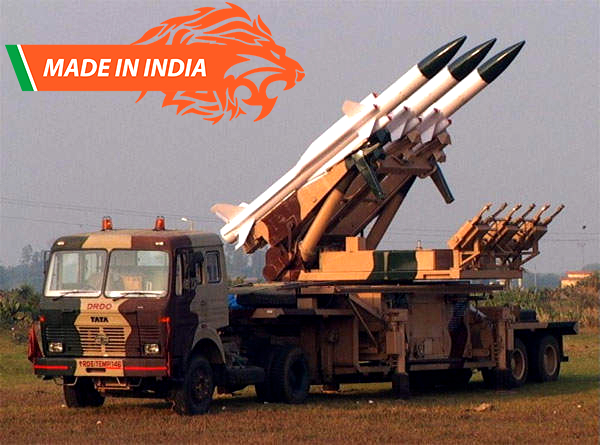
The July approvals covered systems intended to strengthen air defence, counter-drone capabilities, surveillance and naval operations. The Army’s proposals included the AKASH TARANG anti-UAV electronic warfare system, Man Portable Anti-Tank Guided Missiles, Medium Range Surface-to-Air Missiles, Very Short Range Air Defence Systems and active protection systems for tanks.
The Indian Navy received approval for naval shipborne unmanned aerial systems, multi-influence ground mines and a land-based testing facility for electric propulsion systems.
The Indian Air Force’s proposals included a fixed-wing High Altitude Pseudo Satellite system designed for persistent intelligence gathering, surveillance, reconnaissance and communications.
The September approvals broadened the procurement pipeline with additional requirements covering Army mobility, helicopters, naval aviation infrastructure, electronic warfare and specialised military equipment.
An Acceptance of Necessity represents in-principle administrative approval to pursue a procurement proposal. It does not constitute a signed contract, and individual programmes must complete the applicable acquisition procedures before orders are awarded.
Nearly 98% of September Defence Approvals Target Indian Industry
One of the most significant features of the September 7 DAC meeting was the government’s emphasis on indigenous procurement.
According to the Ministry of Defence, approximately 98% of the procurement value covered by the September approvals is intended for Indian industry.
This provides a substantial prospective opportunity for domestic companies involved in manufacturing military platforms, weapons, electronics, specialised vehicles and associated systems.
The September approvals included Advanced Light Helicopters, high-mobility vehicles, self-propelled mechanical mine layers, chemical, biological, radiological and nuclear reconnaissance vehicles, and specialised battlefield engineering equipment.
For the Navy, the DAC approved the acquisition of Arudhra radars and the design, development and subsequent procurement of marine gas turbines.
The marine gas turbine programme is particularly important because naval propulsion remains an advanced technology area in which India seeks to reduce dependence on overseas suppliers.
The focus on domestic procurement also creates potential opportunities for smaller manufacturers supplying mechanical components, electronics, sensors, precision engineering products and specialised materials.
HAL and Indian Aerospace Manufacturers Gain Opportunities from Helicopter Procurement
The DAC’s approval for additional Advanced Light Helicopters creates a prospective requirement within India’s indigenous rotary-wing aerospace ecosystem.
HAL manufactures the Advanced Light Helicopter family and plays a central role in India’s military helicopter programmes. These aircraft support transport, reconnaissance, utility and specialised operational requirements across the armed forces.
The proposed procurement could generate manufacturing activity involving airframes, transmission systems, avionics, flight-control equipment and supporting components once contracts are finalised.
HAL’s established industrial network includes public-sector and private suppliers involved in precision manufacturing, aerospace electronics and structural fabrication.
The government’s emphasis on indigenous helicopter acquisition can therefore support a wider manufacturing ecosystem rather than benefiting only the final aircraft manufacturer.
However, the September AoN does not establish a new HAL contract value or confirm the timing of future aircraft deliveries.
BEL and Defence Electronics Manufacturers See Expanding Requirements
India’s growing demand for radar, electronic warfare and surveillance equipment creates opportunities across its domestic defence electronics industry.
The September DAC approvals included Arudhra radars for naval air stations and ground-based multipurpose jammers intended to strengthen the Indian Air Force’s electronic warfare capabilities.
The July approvals also covered anti-drone electronic warfare systems and other technologies requiring advanced sensors, communication systems and electronic subsystems.
BEL is a major Indian manufacturer of defence radars, communication equipment, electronic warfare systems and other military electronics. Its existing technological capabilities place it within the industrial segments relevant to these procurement programmes.
Specialised Indian companies such as Astra Microwave Products and Data Patterns also operate in radar, radio-frequency electronics, aerospace systems and defence-related technologies.
Additional opportunities may emerge for manufacturers supplying antennas, microwave components, signal-processing equipment and secure communication technologies.
Actual business opportunities will depend on the final acquisition categories, technical requirements, procurement processes and contracts awarded.
Indigenous Missile and Air-Defence Programmes Support Domestic Manufacturing
The July DAC approvals placed considerable emphasis on strengthening India’s layered air-defence capabilities.
The proposed procurement of Medium Range Surface-to-Air Missiles, Very Short Range Air Defence Systems and Man Portable Anti-Tank Guided Missiles creates requirements across missile manufacturing and associated support technologies.
India’s missile production ecosystem includes Bharat Dynamics Limited and a network of public-sector and private companies supplying propulsion components, electronic assemblies, guidance-related equipment and precision-manufactured structures.
Air-defence procurement also involves radar systems, launchers, fire-control equipment, communications infrastructure and command-and-control systems.
The approved active protection systems for tanks represent another specialised technology area. These systems are intended to improve armoured vehicle survivability by detecting and responding to incoming threats.
The procurement pipeline therefore spans multiple industrial capabilities, creating opportunities for integrated defence manufacturers and component suppliers.
Naval Procurement Opens Opportunities in Radars and Marine Propulsion
India’s naval modernisation requirements are expanding into technologies beyond conventional warship construction.
The September approval for indigenous marine gas turbine development is intended to reduce dependence on foreign suppliers for warship propulsion systems.
Marine gas turbines require expertise in high-temperature materials, precision engineering, turbine design, control systems and specialised manufacturing processes.
The development programme could create opportunities for Indian engineering companies with capabilities in rotating machinery, advanced materials and industrial propulsion equipment.
The Navy’s proposed acquisition of Arudhra radars will strengthen surveillance capabilities at naval air stations, while shipborne unmanned aerial systems are intended to improve maritime situational awareness.
These programmes complement India’s established defence shipbuilding ecosystem, which includes Mazagon Dock Shipbuilders, Garden Reach Shipbuilders & Engineers, Goa Shipyard, Hindustan Shipyard and Cochin Shipyard.
Although the approvals do not automatically translate into contracts for these shipyards, the wider modernisation programme supports continued investment in domestic naval technologies and associated supply chains.
₹1.39 Lakh Crore Reserved for Domestic Defence Manufacturers
The Union Budget 2026–27 earmarked approximately 75% of the capital acquisition allocation for procurement from Indian industry.
This represents ₹1.39 lakh crore reserved for domestic manufacturers, including public-sector undertakings and private companies.
The policy aims to provide greater visibility to Indian industry while encouraging investment in manufacturing capacity, research, technology development and specialised infrastructure.
Domestic procurement can generate demand across multiple industrial layers, from large military platform manufacturers to smaller companies producing components, electronic assemblies and engineering products.
The Ministry of Defence has also emphasised the importance of reducing import dependence in critical technologies, particularly where international supply-chain disruptions can affect equipment availability and maintenance.
The allocation strengthens the policy framework supporting India’s defence industrial development, although actual expenditure and individual contract awards will determine the scale of manufacturing activity during the financial year.
DRDO and Defence Research Receive Increased Budgetary Support
India’s defence industrial expansion is accompanied by increased investment in research and technological development.
The FY2026–27 Budget allocated approximately ₹29,100 crore to the Defence Research and Development Organisation, compared with ₹26,816.82 crore in the previous financial year’s Budget Estimates.
DRDO develops technologies across missiles, electronic warfare, advanced materials, aeronautics, armaments, naval systems and other areas required by the armed forces.
Research programmes support indigenous product development and create opportunities for technology transfer to public-sector and private manufacturers.
The growing participation of Indian industry in development and manufacturing can help connect defence research programmes with domestic production capabilities.
Such collaboration is particularly relevant to technologies that require specialised manufacturing processes, extensive testing and long-term technical support.
India’s Defence Procurement Pipeline Strengthens Industrial Growth
India’s defence modernisation programme is increasingly combining larger capital allocations with procurement policies that favour domestic technological development and manufacturing.
The ₹1.62 lakh crore in major DAC approvals during July and September demonstrates the scale of requirements being considered across the Army, Navy and Air Force.
At the same time, the reservation of ₹1.39 lakh crore for domestic capital acquisitions provides a substantial policy commitment to India’s defence manufacturing ecosystem.
The distinction between approvals, procurement contracts and completed deliveries remains important. Large acquisition programmes involve technical evaluation, financial scrutiny, negotiations and other procedures before manufacturing orders are finalised.
As these programmes progress, domestic manufacturers will have opportunities to expand capabilities in military aviation, missile systems, electronics, naval technologies and specialised defence equipment.
India’s increasing investment in indigenous defence technologies is establishing a broader industrial foundation for military modernisation. The combination of domestic procurement, research funding and expanding manufacturing capabilities supports the long-term development of a self-reliant defence ecosystem.
References
- Ministry of Defence, Press Information Bureau, February 1, 2026. Ministry of Defence Allocated an All-Time High of ₹7.85 Lakh Crore in Union Budget 2026–27.
https://www.pib.gov.in/PressReleasePage.aspx?PRID=2221612 - Ministry of Defence, Press Information Bureau, July 3, 2026. DAC Approves Capital Acquisition Proposals Worth ₹52,000 Crore to Enhance Combat Readiness of Defence Forces.
https://www.pib.gov.in/PressReleasePage.aspx?PRID=2280728 - Ministry of Defence, Press Information Bureau, September 7, 2026. DAC Clears Capital Acquisition Proposals Worth About ₹1.10 Lakh Crore for the Defence Forces.
https://www.pib.gov.in/PressReleasePage.aspx?PRID=2307452 - Ministry of Defence, Press Information Bureau, April 1, 2026. Ministry of Defence Achieves Full Utilization of Capital Budget of ₹1.86 Lakh Crore for FY2025–26.
https://www.pib.gov.in/PressReleasePage.aspx?PRID=2247977 - Press Information Bureau, August 14, 2026. India’s Defence Strength: Powering National Security Through Self-Reliance.
https://www.pib.gov.in/FactsheetDetails.aspx?ModuleId=16&id=150909
You may also like
-
DRDO Advances Indigenous Submarine AIP System as ₹1,990 Crore Kalvari-Class Integration Programme Progresses
-
Paras Defence Clarifies Guardian-1 Counter-Drone Partnership with US Firm Powerus Amid Pakistan Deal Concerns
-
India Targets 10% of Global 6G Patents and Standards, Pushes Indigenous Telecom Technologies
-
India Demonstrates Maritime Rescue Capabilities at SAREX-2026 with Observers from 30 Countries
-
India’s Defence Electronics Industry Expands as BEL, Astra Microwave and Private Manufacturers Strengthen Indigenous Supply Chains
