Health

News and Articles on Ayurveda, Yoga, Kundalini and other Indian way of health and medicines.

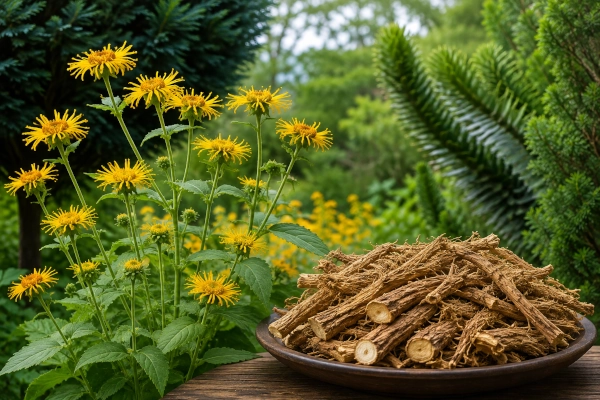
Pushkaramula: The Himalayan Root Valued for the Heart and Respiratory System in Ayurveda

Pushkaramula is not the same plant as orris root. Orris root generally refers to the dried rhizomes of certain Iris species used mainly in perfumery and traditional European herbal preparations. Ayurvedic Pushkaramula refers specifically to the root and rhizome of Inula racemosa. Confusing the two can lead to incorrect identification and inappropriate medicinal use.

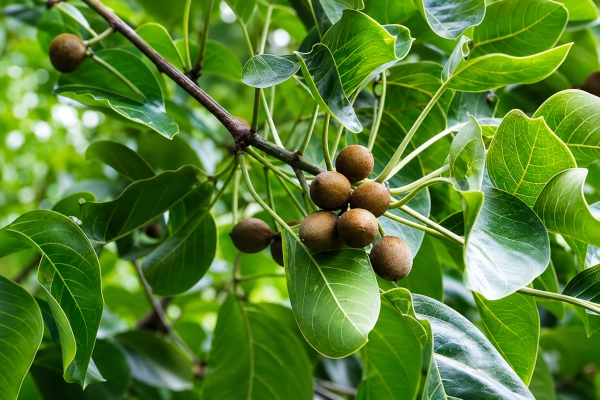
Vibhitaki: The Ayurvedic Belleric Myrobalan

Vibhitaki is best known as one of the three ingredients of Triphala, together with Haritaki and Amalaki. Its traditional reputation, however, extends well beyond Triphala. Ayurvedic texts associate it particularly with Kapha disorders, sluggish digestion, cough, excessive mucus, bowel irregularity and disturbances involving Meda, or adipose tissue.

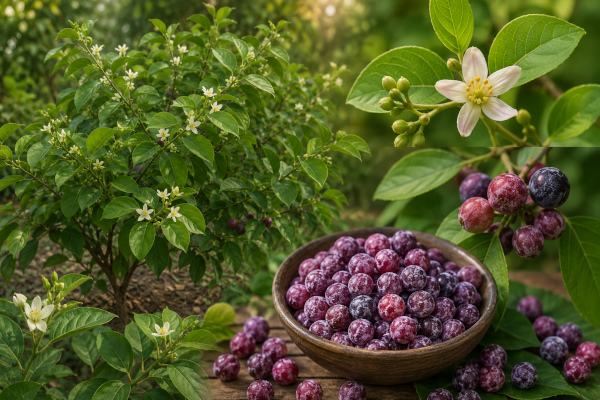
Parushaka (Grewia asiatica L.): Ayurveda’s Cooling and Restorative Phalsa Berry

The accepted botanical name is Grewia asiatica L. The spelling “Grewia asiatical” sometimes seen in secondary documents is incorrect. Modern taxonomy places the plant in the Malvaceae family, although older botanical and Ayurvedic publications often classify it under Tiliaceae. Kew recognises Grewia asiatica as an accepted species native across a broad region extending from southern Iran through the Indian subcontinent and Southeast Asia to Queensland.

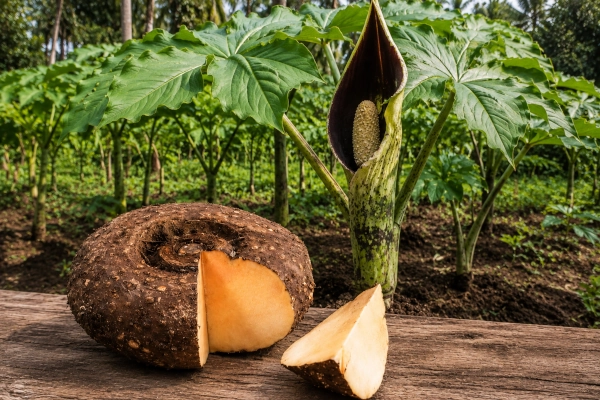
Surana: Elephant Foot Yam in Ayurveda

Surana occupies a distinctive position in Ayurveda because it is regarded as nourishing when properly prepared while also possessing strong digestive and channel-clearing qualities. Classical descriptions particularly associate it with weak digestion, abdominal heaviness, piles and certain Kapha–Vata disorders. Its pungency and occasional irritating effect, however, make correct cooking and judicious use important.