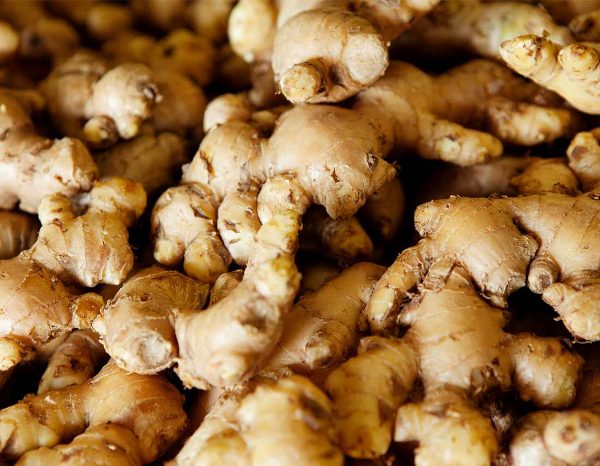
Shunthi, commonly known as dry ginger, is one of the most respected digestive herbs in Ayurveda. Botanically, it comes from Zingiber officinale Roscoe, and the part used is the dried rhizome. While fresh ginger is known as Ardraka, the dried form is called Shunthi, and it is considered stronger, deeper and more suitable for kindling Agni, the digestive fire.
Ayurveda honours Shunthi as a daily kitchen medicine. It improves appetite, supports digestion, reduces heaviness, helps clear Ama and brings warmth to the stomach. Because of its sharp, aromatic and heating nature, it is widely used in food, decoctions, churnas, buttermilk preparations and classical formulations.
Names and Identity
Sanskrit name: Shunthi
Common name: Dry ginger
Botanical name: Zingiber officinale Roscoe
Family: Zingiberaceae
Part used: Dried rhizome
Main Ayurvedic action: Deepana, Pachana, Vata-Kapha balancing
Shunthi is one of the most useful herbs where digestion is dull, appetite is low and the body feels heavy due to Kapha or Ama accumulation.
Ayurvedic Nature of Shunthi
Shunthi is mainly katu in taste and ushna in potency. It is light, warming, penetrating and digestive.
Rasa: Katu — pungent
Guna: Laghu, Snigdha — light and mildly unctuous
Virya: Ushna — hot in potency
Vipaka: Madhura — sweet post-digestive effect
Dosha action: Balances Vata and Kapha when used properly
Its special strength lies in awakening Agni. When digestion becomes weak, food remains improperly processed and produces Ama. Shunthi helps burn this heaviness, improves movement in the stomach and intestines, and restores taste for food.
Shunthi and Digestion
Shunthi is one of Ayurveda’s finest Deepana-Pachana herbs. Deepana means stimulation of digestive fire, while Pachana means helping the body digest accumulated undigested matter. This makes dry ginger useful in low appetite, abdominal heaviness, bloating, cold digestion, sluggish metabolism and Kapha-related digestive dullness.
It is often combined with buttermilk, lemon, rock salt, cumin, cardamom and pepper because these ingredients support its digestive action. In small quantities, it adds warmth and makes food lighter for the stomach.
Classical Recipe Reference: Dwesahara Takra
A classical buttermilk preparation called Dwesahara Takra, meaning appetizing spicy buttermilk, is described in Ruchivadhu Gala Ratnamala, Shloka 99. It belongs to the category of Pana, or drinkable preparations.
In this recipe, dadhi or curd is taken as the main ingredient. Ela or cardamom, Shunthi or dry ginger and Saindhava Lavana or rock salt are powdered finely. Fresh Nimbu swarasa, or lemon juice, is added and mixed well. This mixture is added to curd and churned properly. Then one-fourth part water is added and churned again to prepare the final Takra.
This preparation shows the beauty of Ayurvedic food science. Curd is transformed into a digestive drink by adding dry ginger, rock salt, cardamom and lemon. Shunthi gives warmth and digestive power, Saindhava improves taste and Vata movement, Ela adds fragrance and lightness, while Nimbu awakens appetite. Together, they make Takra suitable for weak digestion and tastelessness.
Properties of the Preparation
Dwesahara Takra is described with the qualities of katu, tikta, amla, ushna and laghu. This means it is pungent, slightly bitter, sour, warming and light for digestion.
These properties make it useful in conditions where food lacks appeal, the tongue feels dull and digestive fire is weak. The recipe tradition specifically mentions its benefit in Aruchi, meaning tastelessness or lack of interest in food, and Agnimandhya, meaning low digestive fire.
Role of Shunthi in the Recipe
Shunthi is the main digestive force in this preparation. It removes coldness from the stomach, stimulates appetite and supports proper digestion of curd. Without such warming herbs, curd-based preparations can become heavy for some people. By adding Shunthi, the Takra becomes lighter, sharper and more suitable for digestive correction.
This also explains why Ayurveda often combines dairy with spices. The aim is balance: nourishment from curd, digestive strength from Shunthi, taste from Saindhava, fragrance from Ela and appetite stimulation from Nimbu.
Manuscript and Textual Importance
The reference to Dwesahara Takra in Ruchivadhu Gala Ratnamala reflects the classical Indian tradition of treating food as medicine. Such manuscripts preserved practical recipes that were simple enough for daily use and precise enough for therapeutic purpose. The mention of Shunthi in this buttermilk preparation shows its respected role as an Agni-kindling herb. The text does not treat buttermilk as a plain drink; it processes it with selected ingredients to correct digestion, improve appetite and restore taste. This is the essence of Ayurvedic dietetics, where every ingredient is chosen for its rasa, guna, virya and action on Agni.
Traditional Uses of Shunthi
Shunthi is used in digestive powders, herbal teas, Shunthi, commonly known as dry ginger, is one of the most respected digestive herbs in Ayurveda. Botanically, it comes from Zingiber officinale Roscoe, and the part used is the dried rhizome. While fresh ginger is known as Ardraka, the dried form is called Shunthi, and it is considered stronger, deeper and more suitable for kindling Agni, the digestive fire.
Ayurveda honours Shunthi as a daily kitchen medicine. It improves appetite, supports digestion, reduces heaviness, helps clear Ama and brings warmth to the stomach. Because of its sharp, aromatic and heating nature, it is widely used in food, decoctions, churnas, buttermilk preparations and classical formulations.
Names and Identity
Sanskrit name: Shunthi
Common name: Dry ginger
Botanical name: Zingiber officinale Roscoe
Family: Zingiberaceae
Part used: Dried rhizome
Main Ayurvedic action: Deepana, Pachana, Vata-Kapha balancing
Shunthi is one of the most useful herbs where digestion is dull, appetite is low and the body feels heavy due to Kapha or Ama accumulation.
Ayurvedic Nature of Shunthi
Shunthi is mainly katu in taste and ushna in potency. It is light, warming, penetrating and digestive.
Rasa: Katu — pungent
Guna: Laghu, Snigdha — light and mildly unctuous
Virya: Ushna — hot in potency
Vipaka: Madhura — sweet post-digestive effect
Dosha action: Balances Vata and Kapha when used properly
Its special strength lies in awakening Agni. When digestion becomes weak, food remains improperly processed and produces Ama. Shunthi helps burn this heaviness, improves movement in the stomach and intestines, and restores taste for food.
Shunthi and Digestion
Shunthi is one of Ayurveda’s finest Deepana-Pachana herbs. Deepana means stimulation of digestive fire, while Pachana means helping the body digest accumulated undigested matter. This makes dry ginger useful in low appetite, abdominal heaviness, bloating, cold digestion, sluggish metabolism and Kapha-related digestive dullness.
It is often combined with buttermilk, lemon, rock salt, cumin, cardamom and pepper because these ingredients support its digestive action. In small quantities, it adds warmth and makes food lighter for the stomach.
Classical Recipe Reference: Dwesahara Takra
A classical buttermilk preparation called Dwesahara Takra, meaning appetizing spicy buttermilk, is described in Ruchivadhu Gala Ratnamala, Shloka 99. It belongs to the category of Pana, or drinkable preparations.
In this recipe, dadhi or curd is taken as the main ingredient. Ela or cardamom, Shunthi or dry ginger and Saindhava Lavana or rock salt are powdered finely. Fresh Nimbu swarasa, or lemon juice, is added and mixed well. This mixture is added to curd and churned properly. Then one-fourth part water is added and churned again to prepare the final Takra.
This preparation shows the beauty of Ayurvedic food science. Curd is transformed into a digestive drink by adding dry ginger, rock salt, cardamom and lemon. Shunthi gives warmth and digestive power, Saindhava improves taste and Vata movement, Ela adds fragrance and lightness, while Nimbu awakens appetite. Together, they make Takra suitable for weak digestion and tastelessness.
Properties of the Preparation
Dwesahara Takra is described with the qualities of katu, tikta, amla, ushna and laghu. This means it is pungent, slightly bitter, sour, warming and light for digestion.
These properties make it useful in conditions where food lacks appeal, the tongue feels dull and digestive fire is weak. The recipe tradition specifically mentions its benefit in Aruchi, meaning tastelessness or lack of interest in food, and Agnimandhya, meaning low digestive fire.
Role of Shunthi in the Recipe
Shunthi is the main digestive force in this preparation. It removes coldness from the stomach, stimulates appetite and supports proper digestion of curd. Without such warming herbs, curd-based preparations can become heavy for some people. By adding Shunthi, the Takra becomes lighter, sharper and more suitable for digestive correction.
This also explains why Ayurveda often combines dairy with spices. The aim is balance: nourishment from curd, digestive strength from Shunthi, taste from Saindhava, fragrance from Ela and appetite stimulation from Nimbu.
Manuscript and Textual Importance
The reference to Dwesahara Takra in Ruchivadhu Gala Ratnamala reflects the classical Indian tradition of treating food as medicine. Such manuscripts preserved practical recipes that were simple enough for daily use and precise enough for therapeutic purpose. The mention of Shunthi in this buttermilk preparation shows its respected role as an Agni-kindling herb. The text does not treat buttermilk as a plain drink; it processes it with selected ingredients to correct digestion, improve appetite and restore taste. This is the essence of Ayurvedic dietetics, where every ingredient is chosen for its rasa, guna, virya and action on Agni.
Traditional Uses of Shunthi
Shunthi is used in digestive powders, herbal teas, soups, rasam-like preparations, buttermilk, decoctions and classical formulations. It is especially useful during cold seasons, rainy weather and times of sluggish digestion. It is also commonly used along with honey, ghee, jaggery, pepper, cumin or rock salt depending on the condition and constitution.
A simple traditional use is a small pinch of dry ginger powder with warm water before food in cases of low appetite. Another common household method is adding Shunthi to buttermilk with rock salt for lightness after meals.
Precautions
Shunthi is heating and should be used in moderation. People with severe acidity, burning sensation, mouth ulcers, bleeding tendency, active gastritis or strong Pitta aggravation should use it carefully. Large quantities may increase heat, dryness or irritation. Pregnant women and people taking regular medicines should follow qualified guidance before using medicinal doses.
Conclusion
Shunthi is one of Ayurveda’s great digestive treasures. It is simple, familiar and powerful. Its dry, warming and aromatic nature makes it ideal for kindling Agni, improving appetite and reducing heaviness. The classical Dwesahara Takra preparation shows how dry ginger transforms buttermilk into an appetizing digestive drink. In the Ayurvedic kitchen, Shunthi stands as a reminder that true medicine often begins with the correct use of everyday ingredients.soups, rasam-like preparations, buttermilk, decoctions and classical formulations. It is especially useful during cold seasons, rainy weather and times of sluggish digestion. It is also commonly used along with honey, ghee, jaggery, pepper, cumin or rock salt depending on the condition and constitution.
A simple traditional use is a small pinch of dry ginger powder with warm water before food in cases of low appetite. Another common household method is adding Shunthi to buttermilk with rock salt for lightness after meals.
Precautions
Shunthi is heating and should be used in moderation. People with severe acidity, burning sensation, mouth ulcers, bleeding tendency, active gastritis or strong Pitta aggravation should use it carefully. Large quantities may increase heat, dryness or irritation. Pregnant women and people taking regular medicines should follow qualified guidance before using medicinal doses.
Conclusion
Shunthi is one of Ayurveda’s great digestive treasures. It is simple, familiar and powerful. Its dry, warming and aromatic nature makes it ideal for kindling Agni, improving appetite and reducing heaviness. The classical Dwesahara Takra preparation shows how dry ginger transforms buttermilk into an appetizing digestive drink. In the Ayurvedic kitchen, Shunthi stands as a reminder that true medicine often begins with the correct use of everyday ingredients.
You may also like
-
NIT Rourkela–IISER Berhampur Team Patents Cotarnine-Derived Formulation for Oral Cancer Research
-
Ayurveda and the Main Meal: Why Midday Matters
-
Robotics, AI and Nanoscience Set to Transform Precision Medicine in India
-
Why Ayurveda Recommends Eating Only When Hungry
-
Ayurveda on Eating at the Right Time: How Food Timing Supports Balance and Health
