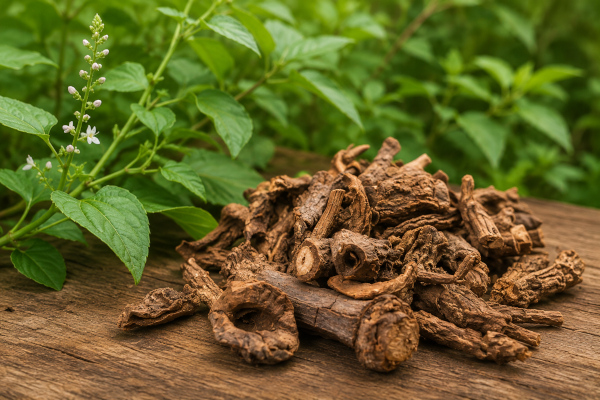
Chitraka, botanically known as Plumbago zeylanica L., is one of Ayurveda’s powerful digestive herbs. It is traditionally known for its sharp, heating and penetrating nature. In Ayurvedic language, Chitraka is closely associated with Agni, the digestive fire. Its main medicinal part is the root, and classical practice treats it as a strong herb that must be used with care, purification and proper guidance. Ayurvedic studies also note that Chitraka root requires Shodhana, or purification, before medicinal use.
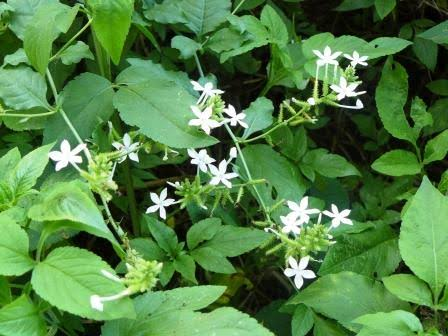
Names and Identity
Sanskrit name: Chitraka
Common name: Leadwort / White leadwort
Botanical name: Plumbago zeylanica L.
Family: Plumbaginaceae
Part used: Root / root bark
Main traditional action: Deepana and Pachana — kindling digestion and digesting accumulated heaviness
Chitraka is considered a powerful herb rather than a casual household spice. It is used in classical Ayurvedic formulations where digestive fire is weak, metabolism is sluggish, appetite is low, and heaviness accumulates in the body.
Ayurvedic Nature of Chitraka
Chitraka is generally described with the following Ayurvedic qualities:
Rasa: Katu — pungent taste
Guna: Laghu, Ruksha, Tikshna — light, dry and sharp
Virya: Ushna — hot in potency
Vipaka: Katu — pungent post-digestive effect
Dosha action: Mainly balances Kapha and Vata when used properly, while it can aggravate Pitta if used wrongly
Its Tikshna and Ushna qualities make it deeply stimulating. This is why Ayurveda uses Chitraka to awaken dull digestion, clear stagnation, reduce heaviness and support proper metabolic movement.
Chitraka and Agni
The greatest Ayurvedic importance of Chitraka is its connection with Agni. When Agni becomes weak, food remains improperly digested and creates Ama, the sticky toxic residue described in Ayurveda. Chitraka is traditionally used as a Deepana-Pachana herb, meaning it stimulates digestive fire and helps digest accumulated undigested matter.
Because of this, Chitraka appears in many formulations for indigestion, low appetite, abdominal heaviness, bloating, sluggish bowels and Kapha-related metabolic dullness. Modern reviews also identify Plumbago zeylanica as a plant traditionally used as a stimulant and digestant.
Traditional Benefits
Chitraka is valued in Ayurveda for improving appetite, supporting digestion, reducing heaviness, aiding proper bowel movement and assisting in conditions where Kapha and Ama dominate. It is also traditionally used in formulations for Grahani, Arsha, Krimi, abdominal disorders and certain Vata-Kapha conditions.
In food-medicine traditions, Chitraka is added in very small quantity along with other digestive spices. For example, in Jiraka Dadhi, a cumin-flavoured curd preparation from Siddha Bheshaja Manimala, Chitraka root is combined with curd, black cumin, white cumin and black pepper. This shows its role as a strong digestive enhancer, especially when curd needs to be made lighter and more suitable for digestive correction.
Chitraka in Classical Formulations
Chitraka is an important ingredient in several well-known Ayurvedic preparations. One of the most famous is Chitrakadi Vati, traditionally used for weak digestion, loss of appetite and Ama-related heaviness. It is also found in formulations where sharp digestive stimulation is required.
The logic is simple and precise: Chitraka is not used merely for flavour. It is used to create movement, heat, digestion and transformation inside the body. This makes it one of Ayurveda’s classic herbs for correcting Mandagni, or low digestive fire.
Manuscript and Textual Importance
Chitraka appears across the Ayurvedic textual tradition as a herb of strong digestive and metabolic value. Classical nighantus and formulation texts describe its heating, sharp and Agni-kindling nature. The mention of Chitraka in practical recipes and disease-specific preparations shows how Ayurveda connected food, herbs and digestion into one medical system. Texts such as Siddha Bheshaja Manimala preserve this applied knowledge by using Chitraka carefully with supporting ingredients like cumin, black pepper and curd. This manuscript tradition reminds us that Ayurveda never treated strong herbs casually; it placed them within method, dosage, purification and suitability.
Modern Scientific View
Modern studies identify plumbagin as one of the important active constituents of Plumbago zeylanica. Research has explored antioxidant and pharmacological properties of the plant, while also highlighting safety concerns linked to plumbagin and the need for careful processing and controlled use.
Precautions
Chitraka is a strong herb and should be used only under qualified Ayurvedic guidance. It is heating, sharp and potentially irritating when taken wrongly. It is generally avoided in pregnancy, severe acidity, ulcers, bleeding disorders, burning sensation, high Pitta conditions and inflammatory states unless specifically prescribed.
The raw root should not be used casually. Ayurvedic literature and modern studies both emphasise purification and caution because Chitraka contains potent constituents, including plumbagin, which has documented toxicity concerns.
Conclusion
Chitraka is one of Ayurveda’s most powerful herbs for awakening Agni. It represents the fiery intelligence of Ayurvedic medicine: sharp, warming, penetrating and transformative. Used correctly, it supports digestion, appetite, metabolic clarity and the removal of heaviness. Used carelessly, it can disturb Pitta and irritate the body. This is why Chitraka stands as a classic example of Ayurveda’s disciplined wisdom — powerful medicine guided by purification, proportion and proper clinical judgement.
You may also like
-
Robotics, AI and Nanoscience Set to Transform Precision Medicine in India
-
Why Ayurveda Recommends Eating Only When Hungry
-
Ayurveda on Eating at the Right Time: How Food Timing Supports Balance and Health
-
Ayurveda and Late-Night Living: What Irregular Sleep Does to the Body
-
India’s Ayush Services Economy Reaches $36.92 Billion, RIS Study Projects Strong Growth to 2047
