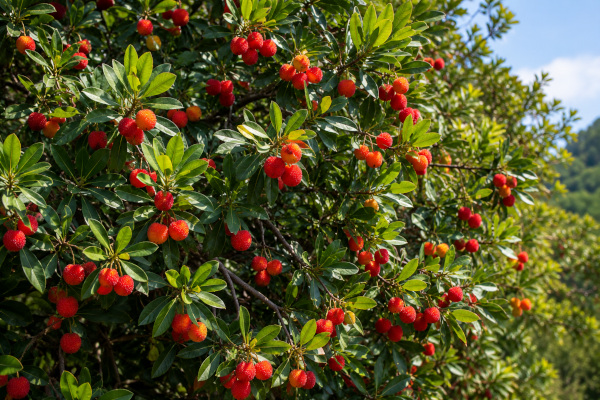
Katphala, commonly known as Himalayan bayberry, is a respected Ayurvedic herb known for its sharp, aromatic and cleansing nature. Botanically, it is identified as Myrica esculenta Buch.-Ham. ex D. Don, also known by the synonym Myrica nagi. It belongs to the Myricaceae family and is found mainly in the Himalayan regions. The plant is known by names such as Kaiphal, Kaphal, Box myrtle and Himalayan bayberry.
In Ayurveda, Katphala is mainly valued for disorders involving Kapha accumulation, throat congestion, cough, cold, heaviness, sluggish digestion and excessive secretions. The bark is the most commonly used medicinal part, while the fruit of the plant is also traditionally known in Himalayan food culture.
Names and Identity
Sanskrit name: Katphala
Other Sanskrit names: Mahavalkala, Katphalaka
Common names: Himalayan bayberry, Box myrtle, Kaiphal, Kaphal
Botanical name: Myrica esculenta Buch.-Ham. ex D. Don
Synonym: Myrica nagi
Family: Myricaceae
Part used: Bark, fruit in food tradition
Main Ayurvedic action: Kapha-reducing, digestive, throat-supporting and cleansing
Ayurvedic Nature of Katphala
Katphala is a strong, sharp and aromatic herb. Its action is mainly directed toward the respiratory tract, throat, mouth, digestion and Kapha-related stagnation.
Rasa: Katu, Tikta, Kashaya — pungent, bitter and astringent
Guna: Laghu, Tikshna, Ruksha — light, sharp and dry
Virya: Ushna — hot in potency
Vipaka: Katu — pungent post-digestive effect
Dosha action: Balances Kapha and Vata when used properly; may aggravate Pitta in excess
Its ruksha and tikshna qualities help dry excess mucus and reduce heaviness. Its ushna virya supports warmth, circulation and digestive fire. Because of this, Katphala is especially valued in cold, damp and Kapha-dominant conditions.
Katphala and Kapha Balance
The very name Katphala is often associated with its role in Kapha-related disorders. Ayurveda uses it where there is thick mucus, throat coating, nasal congestion, cough with heaviness, loss of taste and sluggish digestion.
Katphala helps scrape and dry excessive Kapha. It supports clarity in the throat and chest, improves taste and assists the body in clearing sticky secretions. This makes it useful in traditional formulations for Kasa and Shwasa, meaning cough and breathing discomfort, especially where Kapha is dominant.
Traditional Benefits
Katphala is traditionally used for cough, cold, throat irritation, nasal congestion, loss of taste, oral disorders, digestive weakness and diarrhoeal conditions where Kapha and Ama are involved. It is also used in some traditions for swelling, skin issues and wound cleansing.
Modern reviews describe Myrica esculenta as a Himalayan medicinal plant used in folk medicine for conditions such as asthma, cough, chronic bronchitis, ulcers, inflammation, fever, diarrhoea and ear-nose-throat disorders. These reviews also record the plant’s antioxidant, anti-inflammatory and antimicrobial research interest.
Katphala for Throat and Voice
Katphala has a special place in throat-related conditions. Its astringent and pungent nature helps reduce sliminess, coating and excessive secretions. In traditional practice, it is used in gargles, powders and formulations where the throat feels heavy, coated or congested.
It is considered useful in Kantha roga, meaning disorders of the throat, and Mukha roga, meaning disorders of the mouth. Its drying and cleansing action makes it suitable when Kapha affects the mouth, gums and throat.
Katphala and Digestion
Katphala supports Deepana and Pachana, meaning it helps kindle digestive fire and digest accumulated heaviness. Its pungent and bitter nature improves taste and reduces dullness in the mouth. It is useful when appetite is low due to Kapha, when food feels heavy, and when the tongue feels coated.
Because of its astringent quality, Katphala is also traditionally used in conditions involving loose stools, especially when Kapha and weak digestion are present. It should be selected carefully according to constitution and disease stage.
Fruit of Katphala
The fruit of Himalayan bayberry, popularly called Kaphal, is well known in Himalayan regions as a seasonal wild fruit. It is small, reddish, sweet-sour and pleasantly astringent. While Ayurveda mainly uses the bark medicinally, the fruit reflects the plant’s food value and cultural presence in the hills.
The fruit is enjoyed locally in fresh form and is also associated with cooling mountain food traditions. The medicinal bark, however, is stronger, sharper and more heating in action.
Classical and Manuscript Importance
Katphala appears in the Ayurvedic nighantu tradition as an aromatic bark drug with strong Kapha-reducing value. Classical Ayurvedic manuscripts studied herbs through taste, potency, post-digestive effect and specific action on doshas. Katphala’s position in this tradition shows the precision of ancient Indian materia medica. It was not viewed simply as a forest bark, but as a carefully understood medicine for Kapha, throat disorders, cough, digestive dullness and excessive secretions. The nighantu approach preserved such Himalayan herbs by recording their names, qualities, uses and suitability, allowing regional plant knowledge to enter the larger Ayurvedic healing system.
Common Ayurvedic Uses
Katphala may be used in powder, decoction, gargle or compound formulations. It is often combined with herbs such as Shunthi, Maricha, Pippali, Yashtimadhu, Haridra or Tulasi, depending on the condition.
In Kapha cough, it may be paired with warming herbs. In throat coating, it may be used with cleansing and soothing herbs. In digestive dullness, it may be combined with Agni-kindling spices. Its use should always be guided by constitution, season and disease state.
Precautions
Katphala is heating, sharp and drying. It should be used carefully in people with acidity, burning sensation, mouth ulcers, gastritis, bleeding tendency or strong Pitta aggravation. Excess use may cause dryness, irritation or heat-related discomfort.
Pregnant women, children, elderly people and those taking regular medicines should use Katphala only under qualified Ayurvedic guidance. The bark is a medicinal substance and should not be used casually in large quantity.
Conclusion
Katphala is one of Ayurveda’s powerful Himalayan herbs, known for clearing Kapha, supporting the throat, improving taste and helping digestion. Its bark carries sharpness, warmth and astringency, making it especially useful where mucus, heaviness and sluggishness dominate. From mountain food culture to classical Ayurvedic manuscripts, Himalayan bayberry represents the healing intelligence of India’s forest tradition. Used with care, proportion and proper guidance, Katphala remains a valuable herb in the Ayurvedic treasury.
You may also like
-
Robotics, AI and Nanoscience Set to Transform Precision Medicine in India
-
Why Ayurveda Recommends Eating Only When Hungry
-
Ayurveda on Eating at the Right Time: How Food Timing Supports Balance and Health
-
Ayurveda and Late-Night Living: What Irregular Sleep Does to the Body
-
India’s Ayush Services Economy Reaches $36.92 Billion, RIS Study Projects Strong Growth to 2047
