Ayurveda

Authentic Ayurveda Medicines and Practices from the Land of Ayurveda

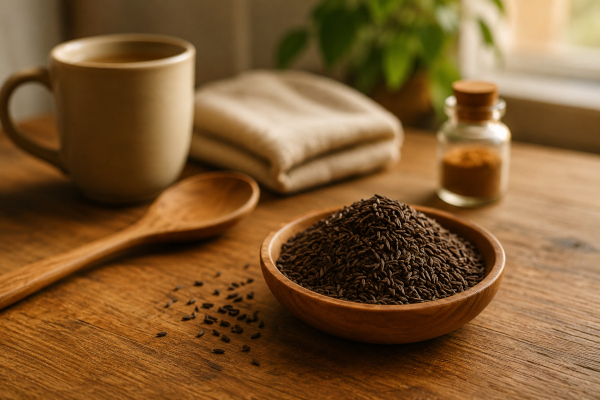
Mustard in Ayurveda: The Fiery Kitchen Medicine Hidden in Indian Food

Ayurveda classifies mustard as katu-tikta rasa — pungent and bitter in taste — with snigdha and tikshna guna, meaning oily and penetrating in quality. Its virya, or potency, is ushna, meaning heating, and its vipaka, or post-digestive effect, is pungent. The Ayurvedic Pharmacopoeia of India lists mustard seed as Deepana, Kaphahara, Vatahara, Hridya and Pittakara, meaning it supports digestive fire, helps reduce excess Kapha, pacifies Vata in suitable contexts, supports the heart, and can increase Pitta if overused.

Asafoetida in Ayurveda: The Fierce Little Pinch That Turns Food Into Medicine

In Ayurveda, Hingu is valued mainly as a Deepana-Pachana dravya — a substance that kindles digestive fire and helps the body process food properly. This is why Indian cooking traditionally adds a tiny pinch of hing to dals, sambar, rasam, kadhi, chana, rajma, yam, colocasia, leafy vegetables and other foods that may otherwise produce heaviness, bloating or gas. The idea is simple but profound: digestion is not an afterthought in Indian food; digestion is built into the recipe itself.