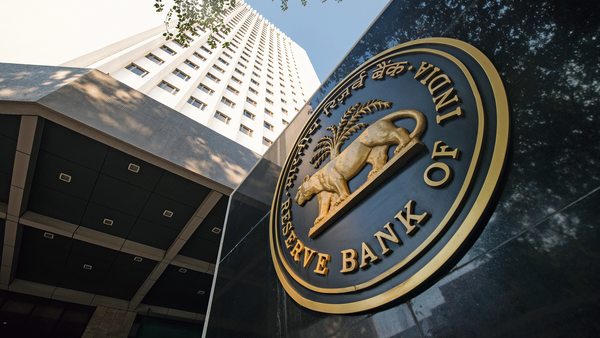
India is preparing to take a significant step towards strengthening its digital financial infrastructure with the inauguration of the Reserve Bank of India’s (RBI) new Data Centre and Cybersecurity Training Institute in Bhubaneswar, Odisha. Prime Minister Narendra Modi is scheduled to inaugurate the facilities on 25 October 2026, marking an important milestone in the development of secure, resilient and advanced computing infrastructure for India’s banking and financial services sector.
The newly established complex incorporates four state-of-the-art data centres designed to support mission-critical payment and settlement systems and other important RBI initiatives. The facility has achieved Uptime Institute Tier IV certification, placing it among the most resilient data centre infrastructure installations globally.
The associated Cybersecurity Training Institute will provide specialised training, research and capacity-building opportunities in cybersecurity, artificial intelligence, quantum computing and other emerging technologies. Together, the facilities are expected to strengthen the technological foundations of India’s financial system and support the continued expansion of digital financial services.
Prime Minister to Inaugurate Facilities on 25 October
According to an official announcement issued by the Prime Minister’s Office on 24 October, Prime Minister Narendra Modi will inaugurate the RBI’s Data Centre and Cybersecurity Training Institute in Bhubaneswar at approximately 4:45 PM on 25 October 2026. He will also address a gathering during the programme.
The inauguration forms part of the Prime Minister’s scheduled visit to Uttar Pradesh and Odisha. Earlier in the day, he is expected to inaugurate a garment manufacturing facility in Varanasi and attend the Indian Air Force’s 94th anniversary aerial display at Namo Ghat.
The Bhubaneswar programme will focus on strengthening India’s financial technology infrastructure through advanced computing facilities and specialised institutional training.
The Reserve Bank plays a central role in maintaining the stability and efficiency of India’s banking system. Its increasing reliance on sophisticated digital systems requires computing infrastructure capable of processing critical financial information while maintaining operational continuity and security.
The new complex has been developed to address these requirements through a dedicated, future-ready computing environment.
Four Advanced Data Centres to Support Critical Financial Systems
The Bhubaneswar facility will contain four advanced data centres intended to host mission-critical payment and settlement systems alongside other important RBI initiatives.
Payment and settlement infrastructure forms a crucial part of the financial system. It enables participating institutions to process and settle financial transactions through established technological and regulatory frameworks.
The Reserve Bank operates and oversees important components of India’s payment infrastructure, including systems that facilitate the movement of funds between financial institutions. Such systems require high levels of availability, data integrity and operational reliability.
The new data centres have been designed to provide a secure and scalable computing environment capable of supporting these demanding requirements.
The facilities are also expected to strengthen the RBI’s ability to accommodate future technological developments and increasing computational workloads.
By investing in dedicated infrastructure, the central bank aims to improve the reliability and resilience of the computing systems that support its operations and the broader financial sector.
Tier IV Certification Places Facility Among Global Leaders
One of the most important features of the Bhubaneswar complex is its certification under the Uptime Institute’s Tier IV standard.
Tier IV represents the highest level within the Uptime Institute’s established classification system for data centre infrastructure. Facilities designed and certified to this standard incorporate fault-tolerant infrastructure intended to maintain critical operations during certain equipment failures or maintenance activities.
Such facilities employ multiple independent capacity components and distribution paths, allowing infrastructure systems to continue supporting essential computing operations when individual components experience problems.
According to the Prime Minister’s Office, the Bhubaneswar installation is among the largest Tier IV-certified facilities in the banking, financial services and insurance sector worldwide.
The certification represents a major infrastructure achievement for the RBI. It also reflects the increasing importance of high-availability computing systems within India’s rapidly expanding digital financial ecosystem.
Although Tier IV certification primarily addresses physical infrastructure resilience, the facility’s wider reliability will also depend on effective operational practices, cybersecurity controls and the management of digital systems.
Building a Resilient Foundation for Digital Payments
India’s financial system has undergone extensive technological transformation, particularly through the expansion of electronic banking, digital payments and real-time financial services.
These developments have increased the importance of dependable backend computing systems capable of processing large volumes of information while supporting uninterrupted operations.
The RBI’s new infrastructure is intended to provide greater computing capacity and operational resilience for the central bank and the financial systems it supports.
The complex will host critical payment and settlement applications, helping strengthen the infrastructure through which participating financial institutions exchange and settle transactions.
A reliable computing environment is especially important during periods of increased transaction activity, unexpected technical disruptions and evolving cybersecurity risks.
The new data centres will strengthen the RBI’s ability to maintain essential computing operations while supporting the continued growth of technology-driven financial services.
The investment also reflects a broader shift towards treating digital infrastructure as an essential component of national financial stability.
Cybersecurity Training Institute to Develop Specialised Expertise
Alongside the data centres, the Reserve Bank has established a dedicated Cybersecurity Training Institute in Bhubaneswar.
The institute will provide an institutional platform for cybersecurity education, enterprise technology training, research and capacity building.
As financial institutions adopt increasingly complex digital systems, the need for specialised technical expertise has grown considerably. Cybersecurity professionals must understand not only conventional information security but also the vulnerabilities associated with modern computing environments.
The institute is expected to strengthen technical capabilities relevant to the RBI and the wider banking, financial services and insurance sector.
Training activities will focus on emerging cybersecurity challenges, advanced technological developments and the management of enterprise computing infrastructure.
By developing a specialised training ecosystem, the RBI aims to strengthen institutional preparedness and improve the availability of technical expertise within India’s financial sector.
Artificial Intelligence and Quantum Computing Among Focus Areas
The Cybersecurity Training Institute will also focus on emerging technologies, including artificial intelligence and quantum computing.
Artificial intelligence is becoming increasingly relevant to financial services, particularly in areas such as anomaly detection, fraud prevention, transaction monitoring and the analysis of complex financial datasets.
AI-based systems can support cybersecurity teams by helping identify suspicious activity and assisting in the examination of large volumes of technical information.
Quantum computing represents another important area of technological research because of its potential implications for computational capabilities and cryptographic security.
Developments in quantum technology have increased the importance of understanding future cybersecurity requirements, including the protection of sensitive information and the security of cryptographic systems.
The institute’s focus on these technologies will provide opportunities for specialised research and professional development relevant to the changing technological requirements of financial institutions.
Its establishment also reflects the Reserve Bank’s recognition that maintaining modern financial infrastructure requires continuous investment in technical knowledge alongside physical computing facilities.
Project Foundation Laid in March 2023
The Bhubaneswar project has been under development for several years as part of the RBI’s efforts to modernise its technological infrastructure.
On 22 March 2023, then RBI Governor Shaktikanta Das laid the foundation stone for the Greenfield Data Centre and Enterprise Computing and Cybersecurity Training Institute in Bhubaneswar.
The Reserve Bank identified the need to expand computing capacity and establish infrastructure capable of meeting the increasing technological requirements of central banking and financial services.
The project was planned on a site covering approximately 18.55 acres, incorporating both the computing complex and the institutional training facilities.
The RBI’s earlier publications highlighted the importance of strengthening computing infrastructure, supporting research and creating opportunities for specialised training in emerging technologies.
The inauguration scheduled for 25 October 2026 represents the culmination of this major infrastructure development programme.
Strengthening Business Continuity and Operational Resilience
Business continuity is a critical requirement for financial institutions because technology disruptions can affect essential banking operations and payment services.
Modern data centre infrastructure must therefore support resilience against equipment failures and other operational interruptions.
The RBI’s new Tier IV-certified facility has been designed to provide a high degree of fault tolerance and infrastructure availability.
Its advanced computing environment is intended to strengthen the central bank’s capacity to maintain critical systems and manage increasingly complex technological operations.
The development also supports the wider objective of improving operational resilience within the financial sector.
A combination of dependable physical infrastructure, effective cybersecurity procedures and trained technical personnel can help institutions manage technological risks more effectively.
The Bhubaneswar complex brings these elements together through dedicated data centre infrastructure and an associated technology training institution.
Bhubaneswar Emerges as an Important Financial Technology Infrastructure Centre
The establishment of the RBI’s advanced computing complex represents a significant addition to Odisha’s technological infrastructure.
Bhubaneswar has developed a growing presence in information technology, education and specialised technical services. The location of a major central banking computing facility further strengthens its role within India’s expanding digital infrastructure network.
The project also demonstrates how important financial technology infrastructure can be established beyond traditional banking and financial centres.
Large-scale computing facilities require specialised engineering, technical maintenance, cybersecurity expertise and dependable supporting infrastructure.
The RBI’s presence through this complex is expected to contribute to the development of an advanced technology environment in Bhubaneswar.
The associated training institute will provide an additional institutional platform for technical learning and research related to the financial sector.
Supporting India’s Expanding Digital Economy
India’s transition towards digital financial services has increased the importance of secure and scalable computing infrastructure.
Digital banking, electronic payments and interconnected financial systems depend on backend technology capable of maintaining reliable operations and protecting sensitive financial information.
The new RBI data centres will provide infrastructure designed to address the central bank’s growing computing requirements and support essential financial applications.
Their establishment is consistent with India’s broader efforts to strengthen digital public infrastructure and develop greater technological capabilities within strategically important sectors.
The addition of an advanced cybersecurity training institution also reinforces the importance of developing domestic expertise in emerging technologies and digital security.
Together, the two facilities represent complementary investments in infrastructure and human capital.
The Bhubaneswar complex is expected to provide a secure technological foundation for the RBI’s future computing requirements while contributing to the resilience and efficiency of India’s financial services ecosystem.
A New Milestone in India’s Financial Infrastructure Development
The forthcoming inauguration of the RBI’s Data Centre and Cybersecurity Training Institute marks an important stage in strengthening India’s central banking technology infrastructure.
With four advanced data centres, Tier IV-certified infrastructure and dedicated facilities for cybersecurity and emerging technology training, the complex brings together capabilities essential to the operation of a modern financial system.
The initiative addresses growing requirements for secure computing, operational resilience and specialised technological expertise.
As India continues to expand digital banking and financial services, dependable computing infrastructure will remain central to supporting the country’s economic and technological development.
The new Bhubaneswar facilities establish an advanced foundation for these requirements and reinforce India’s progress towards developing a secure, resilient and future-ready digital financial ecosystem.
References
- Press Information Bureau, Prime Minister’s Office, 24 October 2026. PM to Visit Uttar Pradesh and Odisha on 25 October.
https://www.pib.gov.in/PressReleseDetailm.aspx?PRID=2327861 - Reserve Bank of India, April 2023. RBI Bulletin: New Greenfield Data Centre and Enterprise Computing and Cybersecurity Training Institute in Bhubaneswar.
https://www.rbi.org.in/scripts/PublicationsView.aspx?id=21752 - Reserve Bank of India, Annual Report 2021–22. Land Acquisition for the Greenfield Data Centre in Bhubaneswar.
https://www.rbi.org.in/scripts/AnnualReportPublications.aspx?Id=1353 - Akashvani News (News on AIR), 24 October 2026. PM Modi to Inaugurate Garment Facility in Varanasi, RBI Data Centre in Bhubaneswar.
https://newsonair.gov.in/
You may also like
-
India Creates 11 Crore Digital Farmer IDs Five Months Ahead of Target, Strengthening AgriStack Infrastructure
-
Chak-Hao Black Rice of Manipur and Nagaland: The Aromatic Purple Heritage Grain with GI Recognition
-
Oil India Discovers Natural Gas in Krishna-Godavari Basin, Records Peak Flow of 2 Lakh Cubic Metres Per Day
-
India’s Business Confidence Index Rebounds to 107.8 as Industry Sentiment Improves in Q2 FY 2026–27
-
India Targets Indigenous Mobile Phone Brands by 2028 with Focus on Indian Design, Technology and Manufacturing
