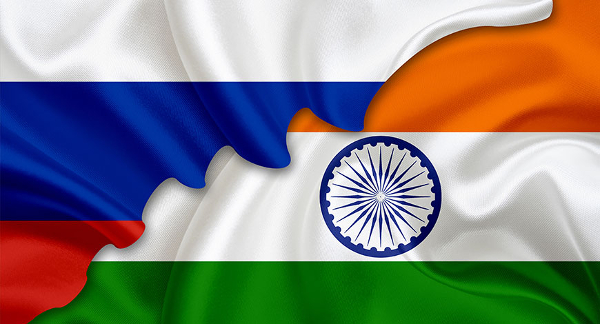
India and Russia are exploring expanded cooperation in cargo transportation through the Northern Sea Route (NSR), with discussions progressing towards potential intergovernmental agreements establishing fixed shipping volumes along the Arctic maritime corridor.
Rosatom Director General Alexey Likhachev indicated on 18 November 2026 that India and South Korea were moving towards arrangements similar to those already established between Russia and China for shipping through the Northern Sea Route.
Speaking to journalists in Shenzhen, China, Likhachev said that Russia welcomed the growing participation of Asian countries in developing the Arctic shipping corridor. His remarks were reported by Russian news agency TASS.
The development highlights the increasing importance of Arctic maritime connectivity in discussions between India and Russia, particularly in relation to energy transportation, international trade and alternative shipping routes.
India and Russia Discuss Fixed Cargo Transportation Volumes
According to Likhachev, Russia has been cooperating with China through an intergovernmental framework for several years to develop cargo transportation along the Northern Sea Route.
He stated that Russia and China had signed an agreement aimed at increasing cargo movements along the route to 20 million tonnes by 2030.
The Rosatom chief indicated that India and South Korea were also moving towards similar intergovernmental working arrangements and potential agreements specifying cargo transportation volumes.
The Russian statement suggests that Moscow is seeking to establish long-term cargo commitments from additional Asian trading partners to support the commercial development of the Northern Sea Route.
However, the comments concern potential future agreements. They do not establish that India has signed a new binding arrangement for fixed cargo volumes.
The development nevertheless reflects the growing scope of bilateral discussions on maritime logistics and Arctic connectivity.
Understanding the Northern Sea Route
The Northern Sea Route is an Arctic maritime corridor extending along Russia’s northern coastline, connecting the waters of the Barents and Kara seas with the Bering Strait in the Russian Far East.
The route passes through several Arctic seas, including the Kara, Laptev, East Siberian and Chukchi seas.
It provides a potential alternative maritime connection between northern Europe and East Asia, particularly for vessels transporting energy resources, industrial materials and commercial cargo.
Unlike conventional shipping routes passing through the Mediterranean Sea, Suez Canal and Indian Ocean, the Northern Sea Route follows the Arctic coastline of Russia.
For certain journeys between northern Europe and East Asian ports, the Arctic passage can reduce sailing distances considerably.
However, the actual commercial advantages depend on the ports involved, seasonal navigation conditions, vessel capabilities, icebreaker requirements and overall transportation costs.
For India, the route is particularly relevant to developing maritime connections with Russia’s Arctic and Far Eastern regions rather than serving as a direct geographical substitute for every existing shipping route to Europe.
India and Russia Establish Joint Working Group on Arctic Shipping
India and Russia have already established a Joint Working Group on the Northern Sea Route under the India-Russia Intergovernmental Commission on Trade, Economic, Scientific, Technological and Cultural Cooperation.
The working group provides an institutional mechanism for examining opportunities for Arctic maritime transportation and associated infrastructure development.
According to information submitted by India’s Ministry of External Affairs to a parliamentary committee, the working group held meetings in October 2024 and July 2025.
The two countries agreed to undertake a feasibility study concerning the potential expansion of cargo transportation through the Northern Sea Route.
The discussions included examining the possibility of increasing cargo volumes to approximately 5 million tonnes annually by 2030.
The proposed volume represents a cooperation target under examination rather than a confirmed shipping commitment.
The working group is also relevant to identifying practical requirements involving shipping infrastructure, vessel availability, maritime logistics and commercial feasibility.
India and Russia Examine Maritime Cooperation Agreement
India and Russia have discussed a proposed memorandum of understanding concerning cooperation in maritime cargo transportation through the Northern Sea Route.
The Russian side proposed an agreement covering the development of maritime cargo operations in Arctic waters.
India’s Ministry of Ports, Shipping and Waterways indicated that such an agreement could be considered after an assessment of the route’s feasibility.
Both countries agreed to prepare a joint feasibility study and action plan addressing potential cargo transportation targets.
In September 2026, Russian First Deputy Prime Minister Denis Manturov stated that the two countries could sign an intergovernmental memorandum before the end of the year.
He also indicated that Russia was prepared to organise a joint pilot voyage along the Northern Sea Route in 2027.
These proposals demonstrate continued interest in developing a practical framework for Arctic shipping cooperation.
The latest remarks by Rosatom’s leadership build on these discussions, although no completed agreement or confirmed date for the proposed pilot voyage was announced on 18 November.
Arctic Shipping Could Strengthen India-Russia Energy Trade
Energy transportation is an important potential area of cooperation involving the Northern Sea Route.
Russia possesses substantial energy resources in its Arctic territories, including natural gas, crude oil and associated petroleum products.
The development of Arctic ports, liquefied natural gas facilities and supporting maritime infrastructure has increased the importance of shipping routes connecting these resources with international markets.
India is a major importer of crude oil and liquefied natural gas, making the development of efficient maritime supply chains relevant to its energy security.
Additional maritime connections could provide opportunities for transporting energy resources and other commodities between Russia and Asian markets.
The commercial viability of such operations would depend on vessel availability, cargo requirements, regulatory conditions, infrastructure and transportation economics.
The Northern Sea Route therefore represents a potential additional option within India-Russia energy and logistics cooperation.
Chennai-Vladivostok Corridor Provides Complementary Maritime Connectivity
India and Russia are also developing maritime connectivity through the Chennai-Vladivostok Eastern Maritime Corridor.
The corridor connects Chennai on India’s eastern coast with Vladivostok in the Russian Far East.
According to information provided by India’s Ministry of External Affairs to a parliamentary committee, the corridor became operational in November 2024.
The route provides access to Russia’s Far Eastern ports and resources, including coal, petroleum products and other industrial commodities.
The government has indicated that the corridor can reduce transportation time compared with certain conventional maritime routes.
The Chennai-Vladivostok corridor and the Northern Sea Route serve different but potentially complementary purposes.
While the Eastern Maritime Corridor strengthens direct connectivity between India and the Russian Far East, the Northern Sea Route provides an Arctic maritime passage linking Russia’s northern territories with European and Asian shipping networks.
The development of these corridors could provide additional options for bilateral trade and maritime logistics.
Ice-Class Vessels and Maritime Technology Form Important Components
Commercial navigation through Arctic waters requires specialised technical capabilities because vessels may encounter sea ice, extreme temperatures, limited infrastructure and challenging weather conditions.
Ice-class ships are designed with reinforced structures and equipment suited to operating in icy waters.
Icebreaker vessels can provide additional support by opening or maintaining navigable channels through sea ice.
Russia operates a substantial icebreaker fleet and has developed extensive experience in Arctic navigation.
For India, cooperation in this field presents opportunities to examine specialised shipbuilding, maritime engineering and navigational technologies.
India has also expressed interest in collaborating with Arctic countries on the design and construction of ice-class vessels, research into polar navigation and the development of technologies suited to extreme maritime environments.
Such cooperation would complement India’s broader efforts to strengthen domestic shipbuilding and maritime engineering capabilities.
Russia Reports Record Cargo Movement Along Arctic Route
The latest discussions come amid increasing Russian efforts to expand cargo transportation through the Northern Sea Route.
In a separate report published on 18 November, TASS quoted Rosatom Director General Alexey Likhachev as stating that cargo movement along the route had crossed 40 million tonnes for the first time.
The reported milestone reflects the expansion of Arctic shipping activity associated with energy projects, industrial development and maritime transportation.
Russia has invested in Arctic port facilities, icebreaker capabilities and associated logistics infrastructure to support navigation along its northern coastline.
The development of the Northern Sea Route is also connected with Moscow’s efforts to expand commercial relationships with Asian countries.
India’s participation in discussions concerning future cargo volumes forms part of this broader effort to develop international shipping activity along the Arctic corridor.
India’s Arctic Engagement Extends Beyond Commercial Shipping
India’s interest in the Arctic is not limited to maritime transportation.
The country has maintained scientific engagement in the region for several years, including research relating to climate change, polar environments, atmospheric processes and oceanographic conditions.
India’s Arctic Policy, released in 2022, provides a framework for scientific research, environmental protection, economic cooperation, transportation and international engagement.
The policy recognises the importance of understanding changes in the Arctic environment and their wider implications, including potential connections with the Indian monsoon and Himalayan climate systems.
Commercial shipping represents one component of India’s broader Arctic engagement.
The proposed cooperation with Russia creates opportunities to connect maritime research, shipping technologies and economic development within a wider framework of bilateral collaboration.
Strengthening India-Russia Maritime Cooperation
The latest comments by Rosatom Director General Alexey Likhachev demonstrate Russia’s interest in expanding cooperation with India on Arctic cargo transportation.
The discussions build on an existing bilateral working group, proposed feasibility studies and earlier plans to explore a maritime cooperation agreement.
For India, participation in Northern Sea Route initiatives could create additional opportunities involving energy transportation, maritime engineering, Arctic research and international logistics.
The proposed arrangements remain at the discussion and planning stage, with practical implementation dependent on commercial feasibility, navigational requirements and formal agreements between the two governments.
Nevertheless, the continued engagement reflects the widening scope of India-Russia economic cooperation beyond conventional trade and energy relationships.
By examining Arctic shipping alongside the Chennai-Vladivostok Eastern Maritime Corridor, India and Russia are developing a broader framework for maritime connectivity that could support long-term trade diversification, technological cooperation and stronger economic engagement across Eurasia.
You may also like
-
Byadagi Chilli — Karnataka’s Deep-Red Spice and the Agricultural Heritage of North Karnataka
-
Coal India Receives Government Letter of Intent for 1,200-Tonne Rare Earth Magnet Manufacturing Facility
-
India’s Mounted PCB Parts Exports Surge to $2.1 Billion as Electronics Manufacturing Diversifies
-
CSIR Transfers Five Indigenous Technologies to Industry for Sustainable Infrastructure and Industrial Development
-
Guntur Sannam Chilli — Andhra Pradesh’s Fiery Red Spice and the Agricultural Heritage of Guntur
