Research

News on Science, Technology and Research in India

New Technology can Enhance Solubility of Poorly Water-Soluble Multi-Herbal Extracts Using Nano-Encapsulation at Room Temperature

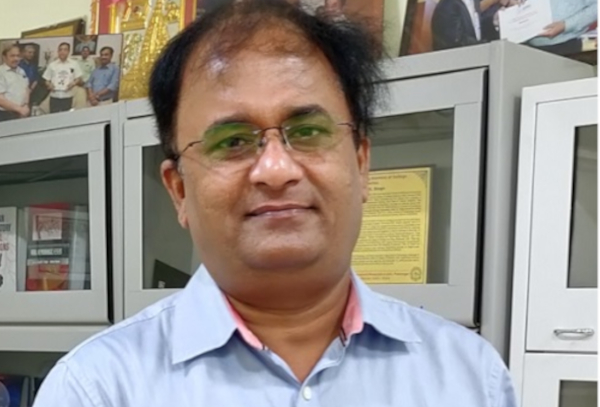
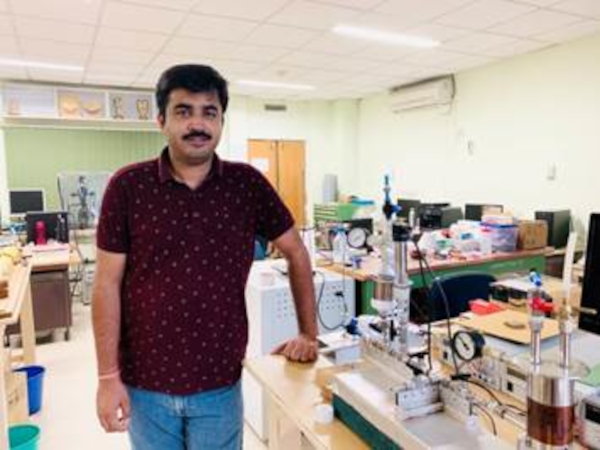
To overcome such limitations, herbal drugs can be encapsulated with suitable biopolymers as nanocarriers. The nanocarrier can significantly enhance the gastric emptying time and deliver higher amount of drug for a sustained period in the stomach. In addition, the amount of drug required to be incorporated to nanocarriers is much less than required when encapsulated in a tablet. This is very useful when using expensive phytomolecules. Optimal use of phytomolecules improves the cost-effectiveness and therapeutic efficacy of the product.

ISRO to Take Cooperation with European, Israeli Space Agencies to Higher Orbit

The Indian Space Research Organisation is in talks with European and Israeli space organisations to improve collaboration and explore possible areas of collaboration. Last week, Mr. K Sivan, Secretary of the Department of Space and Chairman of ISRO, conducted virtual discussions with Mr. Avi Blasberger, Director General of the Israel Space Agency (ISA), and Mr. Josef Aschbacher, Director General of the European Space Agency (ESA).

Study Paves Way for A New Approach to Fight Infections

Proliferating cell nuclear antigen (PCNA) is a protein that plays a significant role in DNA replication, repair, and recombination processes of all organisms. Recruitment of DNA polymerases by PCNA is an essential step during DNA replication and blocking this step by targeting PCNA by any means can help tackle infections.

New Theoretical Explanation for A Unique Reversing Motion of Bacteria can Help Building More Efficient Artificial Micro and Nano-Motors

In a recent study published as a Letter in the Physical Review E, a team of Scientists from Raman Research Institute and S.N. Bose National Centre for Basic Sciences, autonomous institutes under the Department of Science & Technology (DST), GoI has uncovered novel dynamical phases arising from the interplay of diffusion and velocity reversal in the direction reversing active motion exhibited by such bacteria.

Molecular Sensor on Serotonin Receptor to Detect Cholesterol

Cells communicate with each other via receptor proteins expressed on the cell membranes. Many drugs target these receptor proteins to alter cell’s functioning and physiology. However, the latest study from Prof Amitabha Chattopadhyay’s lab at CSIR-Centre for Cellular and Molecular Biology (CCMB) makes a case for accounting for the lipid environment that surrounds the receptor proteins, while designing drugs acting on the latter.

Nano-Structured Self-Cleaning Aluminium Surface that Reduces Bacterial Growth can be Useful for Biomedical & Aerospace Applications

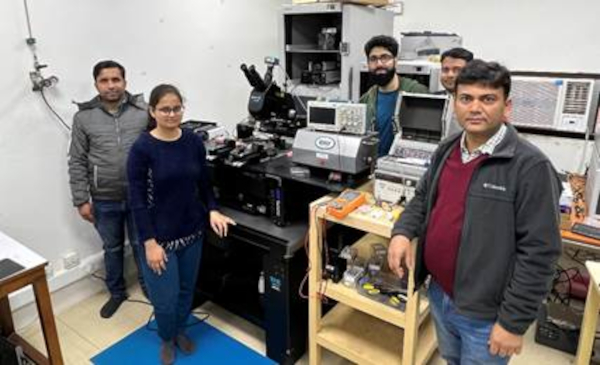
To overcome these problems, Dr Harpreet Singh Grewal, Dr Harpreet Singh Arora and Mr Gopinath Perumal, researchers from the Department of Mechanical Engineering and Dr Sajal Kumar Ghosh and Ms Priya Mandal from Department of Physics of Shiv Nadar University, Delhi-NCR have jointly developed the nano-structured aluminium surfaces that show immense mechanical, chemical, and thermal durability restricting the corrosion and leaching effects. A Raman spectrometer obtained through the ‘Fund for Improvement of Science & Technology infrastructure’ (FIST) project of the Department of Science & Technology, Government of India, has been used to carry out this work.  This result is reported in the Journal of Cleaner Production.