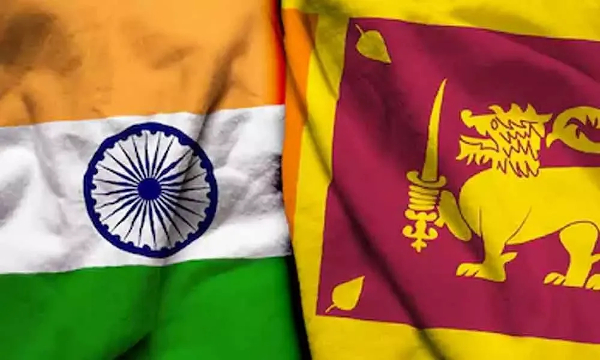
An Indian Armed Forces contingent has arrived in Sri Lanka to participate in the 12th edition of the bilateral military exercise Mitra Shakti, scheduled from November 13 to 26, 2026, at the Army Training School in Maduru Oya. The exercise will bring together military personnel from India and Sri Lanka for joint tactical training, counter-terrorism operations and coordinated combat exercises aimed at strengthening interoperability between the two armed forces.
According to the Ministry of Defence, a 170-member Indian defence contingent departed for Sri Lanka to participate in Exercise Mitra Shakti XII–2026. The High Commission of India in Colombo subsequently confirmed the contingent’s arrival on November 13, highlighting the exercise’s role in strengthening operational coordination, mutual understanding and military cooperation between the neighbouring countries. The training will focus on counter-terrorism and sub-conventional operations in semi-urban environments under a United Nations mandate, reflecting the continuing commitment of India and Sri Lanka to regional security and defence cooperation.
Indian Military Contingent Arrives at Mattala Airport
The Indian contingent arrived at Mattala Airport in Sri Lanka on November 13, where senior military representatives from both countries welcomed the participating personnel. According to the Sri Lanka Army, the contingent was received by Colonel N. N. Abeysekara, Logistics Commander of the exercise, and Lieutenant Colonel Mandeep Singh Negi, Assistant Defence Advisor at the High Commission of India in Colombo. The arrival marked the beginning of the Indian contingent’s participation in the latest edition of the established bilateral military training programme.
The Indian Army component comprises 19 officers and 150 personnel of other ranks drawn from the Rajputana Rifles Regiment, under the command of Lieutenant Colonel Anirudh Mangotra. The Sri Lankan contingent comprises 17 officers and 153 personnel of other ranks, bringing together approximately 340 military personnel from the two countries. The participation of these contingents will provide opportunities for joint tactical training, operational coordination and the exchange of military experience throughout the exercise.
Battalion-Level Combat Operations Form Core of Exercise
The 2026 edition of Exercise Mitra Shakti will place particular emphasis on battalion-level combat team tactical operations in a counter-insurgency environment. According to the Sri Lanka Army, the training programme will incorporate air support and other essential combat elements, allowing participating personnel to practise coordinated operations involving infantry formations and supporting military capabilities. The exercise will provide opportunities for both armies to exchange tactical expertise, refine operational skills and strengthen battlefield interoperability through structured training activities.
The military significance of battalion-level combat team training lies in developing the ability of different military elements to operate together under a coordinated tactical framework. Such operations require effective communication, coordinated movement, clear command responsibilities and the integration of supporting capabilities. By conducting joint exercises involving these elements, Indian and Sri Lankan personnel will gain practical experience in coordinating military activities while becoming familiar with each other’s operational procedures and tactical methods.
Joint Training to Cover Urban Operations and Convoy Protection
The Ministry of Defence has outlined a comprehensive training programme covering joint operational planning, tactical rehearsals and specialised combat skills. The scheduled activities include roadblock operations, urban patrolling, vehicle convoy protection, area ambush, crowd dispersal and combined-arms operations against fortified positions. These activities are intended to familiarise participating personnel with different operational situations encountered during counter-insurgency and counter-terrorism missions, particularly in semi-urban environments where military operations require coordination and situational awareness.
Urban patrolling and roadblock operations will form part of the tactical training programme, while convoy protection exercises will provide opportunities to practise coordinated security arrangements during military movements. The programme will also incorporate simulated operations against fortified positions, allowing personnel to understand the coordination required between infantry elements and supporting arms. The principal operational objective is to strengthen the ability of Indian and Sri Lankan forces to jointly plan, coordinate and execute tactical missions using compatible procedures and shared operational understanding.
Counter-Terrorism Training Under United Nations Mandate
Exercise Mitra Shakti XII will focus on developing joint military capabilities for counter-terrorism and sub-conventional operations in semi-urban environments under a United Nations mandate. This training framework reflects the established emphasis of the bilateral exercise on preparing personnel for complex security situations requiring coordination between military forces from different countries. The programme will provide participating personnel with opportunities to practise tactical responses to simulated security challenges while strengthening their understanding of operational procedures relevant to multinational military engagements.
The focus on sub-conventional operations is particularly important because it addresses security challenges that differ from conventional large-scale military engagements. Such operations frequently require coordinated action by smaller military formations, effective communication and the ability to respond to changing tactical situations. Through joint training, the participating armies will seek to improve their familiarity with each other’s operational approaches while developing common procedures that can support cooperation during relevant security missions.
Strengthening Interoperability Between Indian and Sri Lankan Forces
One of the principal objectives of Exercise Mitra Shakti is to improve interoperability between the Indian and Sri Lankan armed forces. Military interoperability involves the ability of personnel and formations from different countries to function together effectively through compatible procedures, coordinated planning and a shared understanding of operational requirements. Joint exercises provide opportunities to strengthen these capabilities by allowing participants to practise common tactical activities and become familiar with differences in equipment, communication procedures and command arrangements.
The inclusion of battalion-level tactical operations and supporting combat elements in the latest edition is intended to strengthen these capabilities through practical training. For India and Sri Lanka, the operational importance of Mitra Shakti lies in developing the ability to conduct coordinated military activities while improving battlefield communication, tactical understanding and mutual confidence. The exercise will also provide a platform for the participating personnel to exchange professional experience and identify practices that can contribute to greater operational effectiveness.
Eleventh Edition Conducted in Karnataka in 2025
The 12th edition follows Exercise Mitra Shakti XI, conducted at Belagavi in Karnataka from November 10 to 23, 2025. The previous exercise brought together personnel from the Indian Army and Sri Lanka Army for joint tactical training and operational activities designed to strengthen cooperation between the two forces. The training emphasised the development of joint capabilities, professional exchanges and improved coordination during military operations, continuing the established objectives of the bilateral exercise series.
Mitra Shakti is conducted alternately in India and Sri Lanka, allowing both countries to host training activities and familiarise visiting military personnel with different operational environments. This arrangement has helped establish the exercise as a regular component of India–Sri Lanka defence relations while providing continuity in professional military exchanges. The 2026 edition at Maduru Oya builds upon this established cooperation through its emphasis on battalion-level tactical operations, counter-insurgency training and the integration of supporting combat capabilities.
India–Sri Lanka Defence Cooperation Continues to Expand
India and Sri Lanka maintain a longstanding defence partnership encompassing military training, joint exercises, professional exchanges and institutional cooperation between their armed forces. The two countries regularly conduct bilateral military engagements, including Exercise Mitra Shakti between their armies and Exercise SLINEX between their navies. These engagements provide opportunities to strengthen operational understanding, exchange professional experience and maintain regular communication between military organisations responsible for regional security.
Military training remains an important component of the bilateral relationship, with India providing professional training opportunities to Sri Lankan defence personnel at Indian military institutions. The countries also maintain institutional mechanisms for reviewing defence cooperation and identifying areas for further engagement. Exercise Mitra Shakti contributes to this partnership by strengthening practical military cooperation and providing a structured environment for developing joint operational capabilities between the two armies. The exercise also reflects the importance both countries attach to regional stability and continued defence engagement in the Indian Ocean region.
Reinforcing Regional Security and Military Partnership
The arrival of the Indian contingent in Sri Lanka marks the commencement of another important bilateral military engagement between the neighbouring countries. During the scheduled two-week training period, participating personnel will undertake joint planning activities, tactical rehearsals and specialised combat exercises designed to improve coordination and operational effectiveness. The programme will provide opportunities to exchange military experience, strengthen professional relationships and develop a greater understanding of the tactical procedures followed by both armed forces.
The military significance of Exercise Mitra Shakti XII lies in strengthening battalion-level interoperability, improving coordinated responses to counter-terrorism challenges and reinforcing the operational partnership between India and Sri Lanka. Through the continued conduct of bilateral military exercises, the two countries seek to strengthen mutual trust, improve professional cooperation and maintain the military relationships that contribute to regional peace and stability. The 2026 edition continues this established tradition of joint training while reinforcing the commitment of both nations to closer defence cooperation.
You may also like
-
EndureAir Completes Training of Indian Defence Personnel Following Delivery of Indigenous ALAKH Kamikaze UAV
-
Indian Army Prepares Pokhran Trials for Indigenous Jet-Powered Kamikaze Drones
-
India and Indonesia Strengthen Counter-Terrorism Cooperation at Seventh Joint Working Group Meeting
-
Two Envoys, Two Missions: Comparing Hanumān’s and Aṅgada’s Diplomatic Strategies
-
Russian Pacific Fleet Warships Arrive in Kochi, Strengthening India–Russia Naval Engagement
