Research

News on Science, Technology and Research in India

Researchers Study Egg-Laying Behaviour of Wasps for Designing Specific Pest Control Measures

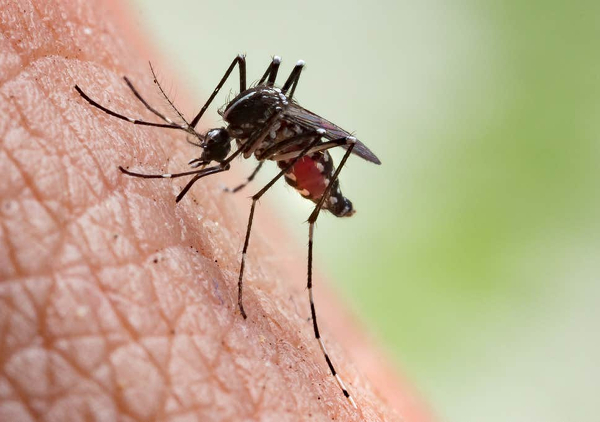
A new study conducted by Indian researchers will help understand the egg-laying behaviour of certain pests and therefore help in designing specific control measures. This study has been conducted by the researchers at the Indian Council of Agricultural Research (ICAR)’s Bengaluru based laboratory Indian Institute of Horticultural Research. They have published their study in the science journal Current Science .

Ultra-Sensitive, Easy to Use Sensor can Detect Arsenic in Food & Water in 15 Minutes

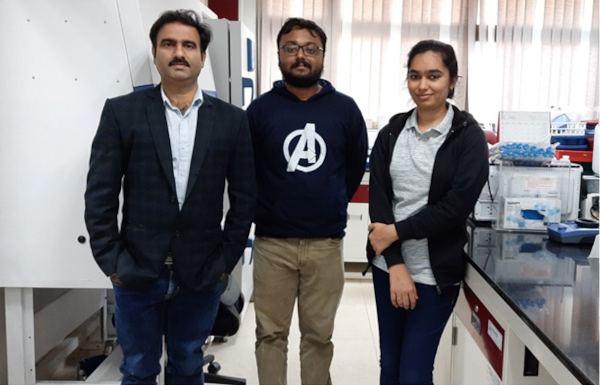
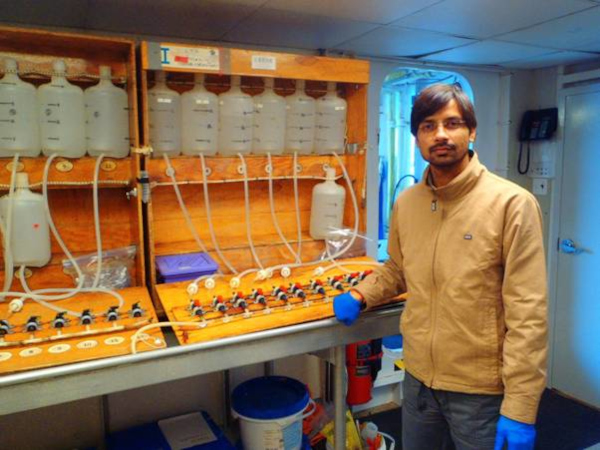
Dr. Vanish Kumar, an Inspire Faculty Fellow, has developed an ultra-sensitive, easy-to-use sensor for detecting arsenic contamination in water and food samples in 15 minutes. The developed sensor is highly sensitive, selective, involves a single step, and is applicable for various water and food samples. The developed sensor can be easily operated by a common man by just correlating the colour change (on sensor surface) with the standard labels.

A New Boost to Anti-TB Crusade

The new study has taken the work forward by getting new insights that suggest that PPE2 could also be playing an important role in regulating the synthesis of Vitamin B12 in the bacterium. Vitamin B12 plays a fundamental role in bacterial metabolism and gene regulation. The human body cannot synthesize Vitamin B12 and depends upon gut microbiota or external food supplements to meet the daily requirement of Vitamin B12. M.tb, on the other hand, has genes for Vitamin B12 synthesis. The true nature of the Vitamin B12 pathway in the bacterium, however, is still a mystery. The new study gives some insight into this.

Startup Indriyam Biologics Develops Biosensor Device that Could Revolutionise Snakebite Diagnosis

Indriyam Biologics, recognised by the Department of Scientific and Industrial Research (DSIR) and Startup India, intends to resolve this issue through their new monovalent snake-venom detection biosensor device which finds out if a snakebite is venomous or non-venomous by analysing a drop of the victim’s blood. It is also capable of distinguishing the species of the snake and the quantity of venom circulating in the patient’s body.