Heritage

News, articles and Essays on Sanatana Dharma, Hinduism and Indian way of life.

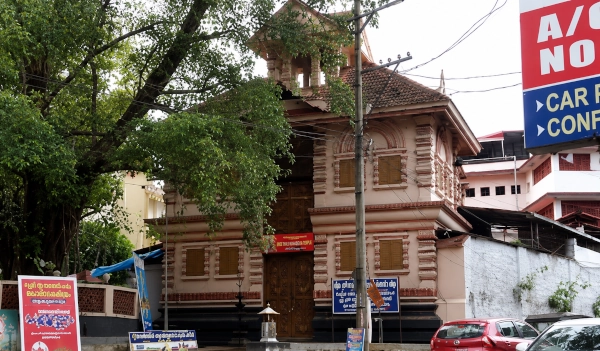
Angadipuram Tali Sree Mahadeva Temple: An Ancient Shiva Shrine of Valluvanad

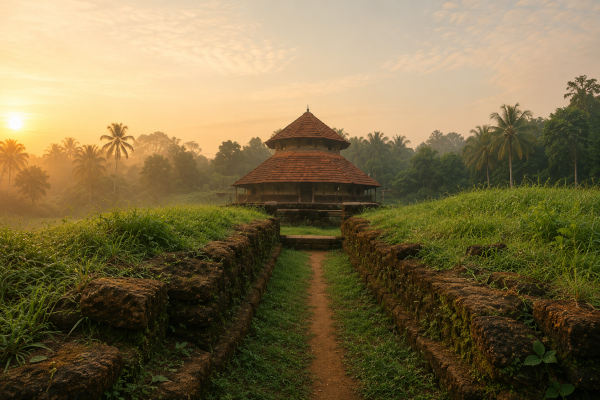
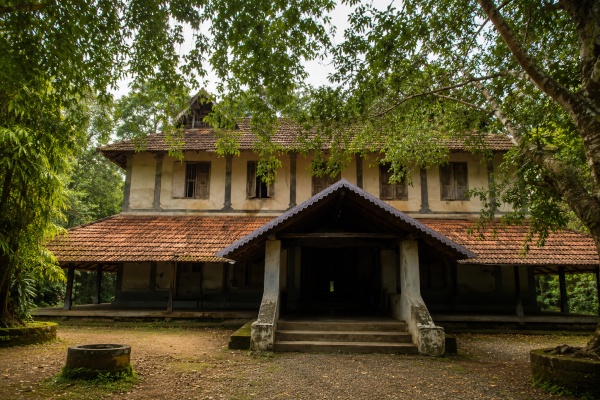
The word Tali in Kerala’s historical setting commonly refers to an important Shiva temple associated with an established settlement or regional centre. Such temples often became focal points for worship, community gatherings, learning, land administration and cultural activity. The presence of a Tali temple therefore indicates the former importance of Angadipuram as a well-organised religious and social centre.
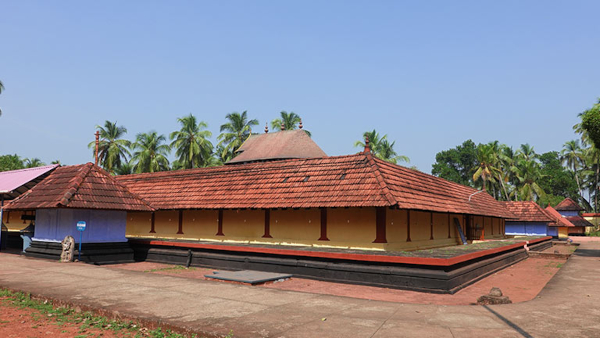
Triprangode Shiva Temple, Malappuram: The Ancient Abode of Triprangottappan

Triprangode is remembered as one of the important Shiva temples of Malabar. Traditional accounts associate it with the 108 Shiva temples of Kerala linked to the Parasurama kshetra tradition. A temple history source records that inscriptions of Later Chera ruler Goda Ravi Varma from the 10th century CE are seen at Triprangode Shiva Temple, giving the shrine a strong historical depth beyond oral tradition.

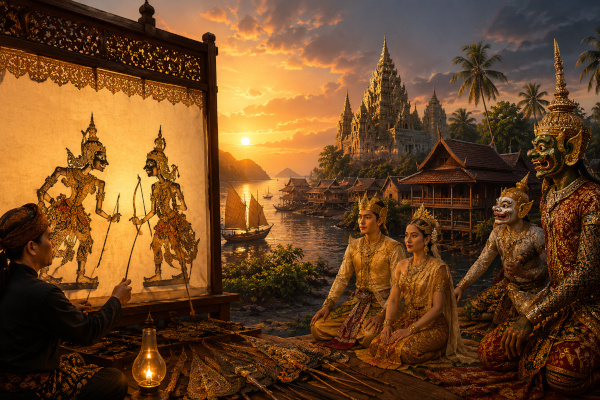
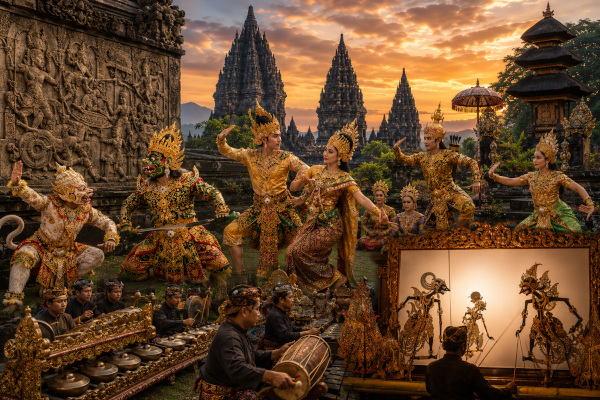
Ramayana in Indonesia: Kakawin Ramayana, Prambanan, Wayang Kulit, and the Civilisational Light of Akhand Bharat

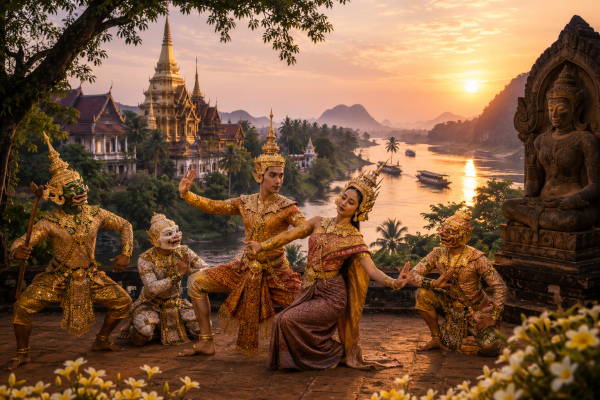
The most important literary form of the Indonesian Ramayana is the Kakawin Ramayana, an Old Javanese rendering of the epic composed in the refined kakawin poetic style. Academic work on the Old Javanese Ramayana treats it as a major classical text of Java’s Hindu-Buddhist literary world, and OAPEN lists C. Hooykaas’s scholarly edition The Old-Javanese Rāmāyaṇa Kakawin, showing the importance of the text in global Ramayana studies.

Purakkad Rajas: The Chempakassery Rulers of Ambalappuzha and the Maritime Heart of Central Kerala

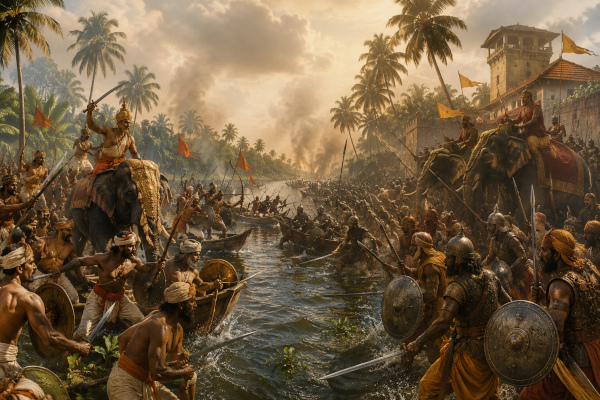
Purakkad lies in present-day Alappuzha district, close to Ambalappuzha and the Kuttanad backwater world. This region was not merely a quiet coastal settlement. It stood between the Arabian Sea, the inland waterways and the fertile paddy lands of Kuttanad. Such geography gave the rulers access to maritime trade, river transport, agrarian wealth and military movement through boats and canals.

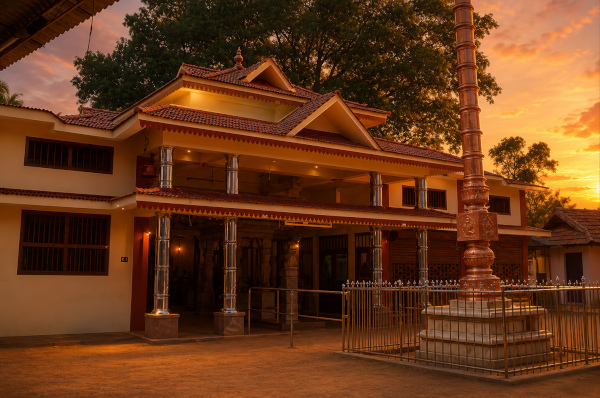
Ongallur Taliyil Shiva Temple: An Ancient Shaiva Landmark near Pattambi

The presiding deity of the temple is Lord Shiva, worshipped in the form of a Shiva Linga. The sanctum faces east, following the traditional sacred orientation seen in many old Kerala temples. Kerala Tourism also notes that the Shiva Linga of this temple is known for its large girth, making the main deity especially distinctive among the Shiva shrines of the area.

Vadakkumkur Rajas — The Northern Royal House of Central Kerala

Vadakkumkur was not the story of one king alone. It was the story of a royal line, a regional state, and a cultural territory that shaped central Kerala before its absorption into the rising kingdom of Travancore under Marthanda Varma in the 18th century. Historical records connect Vadakkumkur with the old Vempolinad region, which split into Vadakkumkur and Thekkumkur around the medieval period.

Kalpathy Viswanatha Swamy Temple: Palakkad’s Sacred Dakshina Kashi and the Glory of Ratholsavam

The temple is believed to be more than 700 years old, making it one of the important ancient worship centres of Palakkad. Situated in the cultural landscape of Kalpathy agraharam, the shrine is not only a place of worship but also the spiritual heart of a heritage settlement. Kerala Tourism notes that the temple becomes the focal point of festivities every November during the Ratholsavam.

Ramayana in Malaysia: Hikayat Seri Rama, Wayang Kulit, and the Civilisational Light of Akhand Bharat

In a positive Akhand Bharat sense, Malaysia shows the beauty of Brihattar Bharat — the larger civilisational world shaped by Indian stories, maritime trade, Sanskritic vocabulary, Hindu-Buddhist ideas, temple culture, and shared epics. This was a cultural Akhand Bharat: a sacred network of ideas crossing seas, ports, kingdoms, and languages. The Malay world received these influences with creativity and gave the Ramayana a local soul.

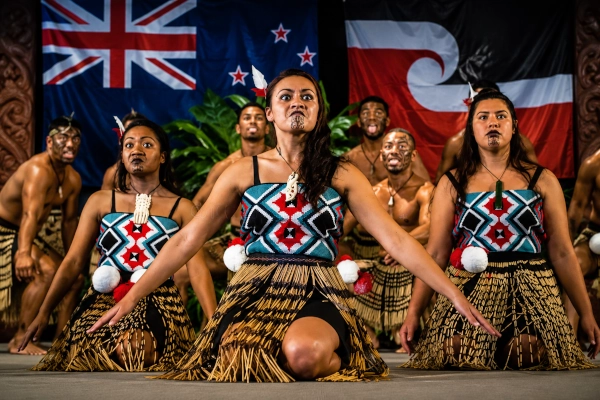
PM Modi Highlights Shared Indian and Māori Values During Historic New Zealand Visit

According to the Prime Minister, both Indian civilisation and Māori traditions place considerable importance on the relationship between people, community and the natural environment. By bringing these values into trade and investment partnerships, the two countries could build commercial links that promote prosperity while protecting social and environmental interests.