Ayurveda

Authentic Ayurveda Medicines and Practices from the Land of Ayurveda

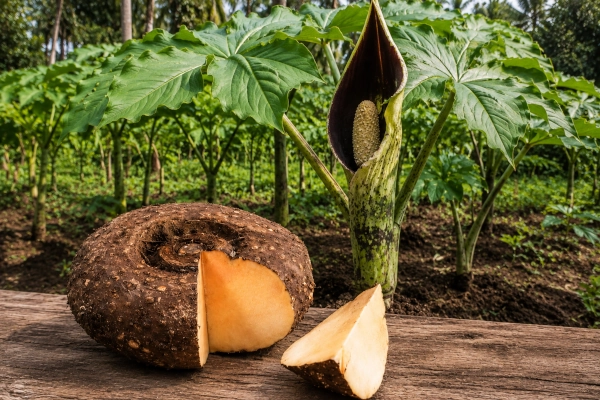
Surana: Elephant Foot Yam in Ayurveda

Surana occupies a distinctive position in Ayurveda because it is regarded as nourishing when properly prepared while also possessing strong digestive and channel-clearing qualities. Classical descriptions particularly associate it with weak digestion, abdominal heaviness, piles and certain Kapha–Vata disorders. Its pungency and occasional irritating effect, however, make correct cooking and judicious use important.
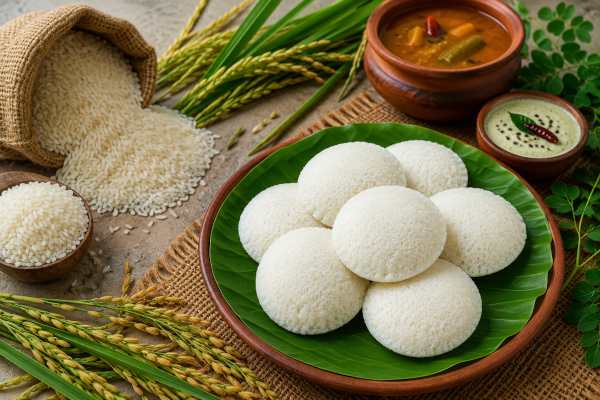
Laja: Parched Rice in Ayurveda

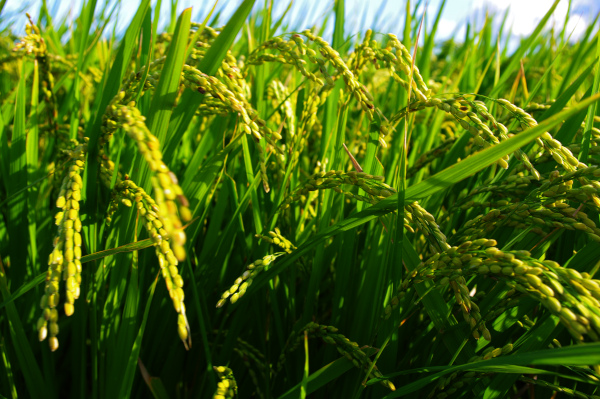
The botanical source of Laja is Oryza sativa L., the cultivated Asian rice plant. The accepted scientific spelling is Oryza sativa, and the species belongs to the grass family Poaceae. Rice begins as Tandula or grain, while the application of heat transforms selected paddy into Laja. This processing changes its structure, density, digestibility and Ayurvedic action.

Dhanyaka: Coriander in Ayurveda and India’s Classical Culinary Tradition

The accepted botanical source is Coriandrum sativum L., an annual aromatic herb belonging to the Apiaceae family. The Ayurvedic Pharmacopoeia of India identifies medicinal Dhanyaka as the dried ripe fruits of this species. The plant is now cultivated widely across the world and has become deeply integrated into Indian agriculture, cuisine and household health traditions.

Avlehana–Vesana: Chickpea Flour in Ayurveda

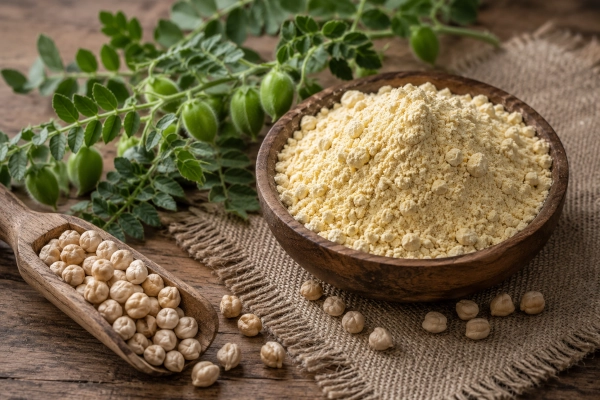
Cicer arietinum is an accepted botanical species belonging to the legume family. It is an annual plant cultivated for its nutritious seeds and has a long history as both food and traditional medicine. Its ancestral geographical range is associated with the region extending from southeastern Türkiye towards Iran, followed by its spread across Asia, the Mediterranean and other agricultural regions.

Haritaki: The Revered Fruit of Ayurveda

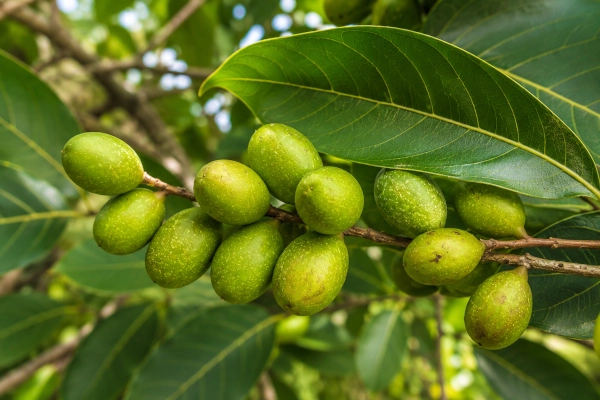
The accepted botanical source of Haritaki is Terminalia chebula Retz., a tree belonging to the Combretaceae family. The Ayurvedic Pharmacopoeia of India defines the medicinal drug as the pericarp of the mature fruit. The species is native across the Indian subcontinent and extends eastward into parts of China and Indo-China.

Chavya (Piper retrofractum Vahl.): Ayurveda’s Pungent Herb for Agni, Ama and Digestive Balance

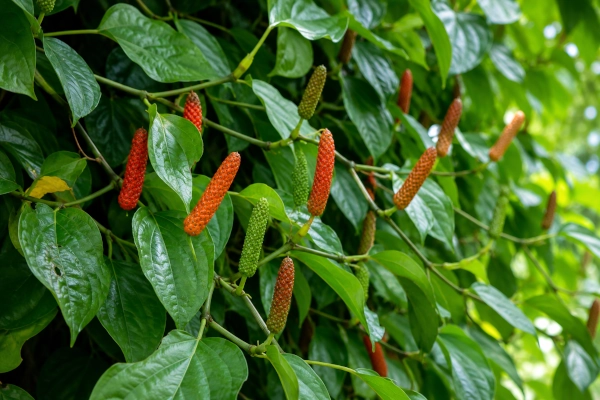
The Ayurvedic Pharmacopoeia of India officially defines Chavya as the dried stem of Piper retrofractum. It describes the plant as a smooth, fleshy climber cultivated mainly in southern India. The dried medicinal stem occurs as cylindrical or slightly twisted greyish-brown pieces with visible nodes and internodes. It possesses a pepper-like odour and a distinctly acrid taste.

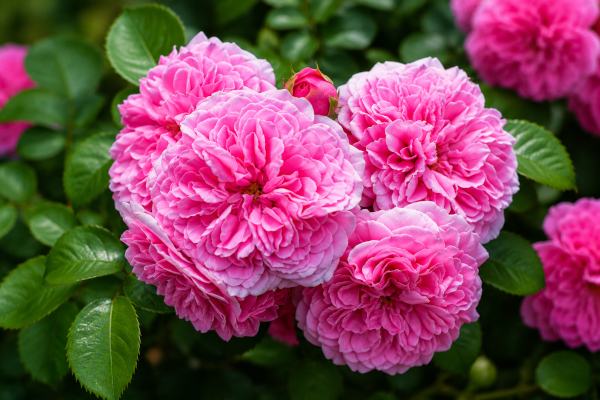
Rose in Ayurveda: Shatapatri, the Cooling and Fragrant Hundred-Petalled Flower

The rose commonly associated with classical Gulkand preparations is the cabbage rose or hundred-petalled rose, botanically accepted as Rosa × centifolia L. The multiplication sign reflects its hybrid origin. Plants of the World Online recognises it as an artificial hybrid involving Rosa canina, Rosa gallica and Rosa moschata. It belongs to the Rosaceae family.