Ayurveda

Authentic Ayurveda Medicines and Practices from the Land of Ayurveda

Ashwagandha: The Ancient Ayurvedic Herb Now Going Global

The name itself tells a story. “Ashwa” means horse and “gandha” means smell in Sanskrit. Traditionally, the root was said to have a horse-like odor, and the plant was also associated with the idea of imparting horse-like stamina and vigor. The species name somnifera means “sleep-inducing,” which aligns with the herb’s long traditional reputation as a calming, restorative plant.

Manithakkali: The Quiet Healer in the Backyard

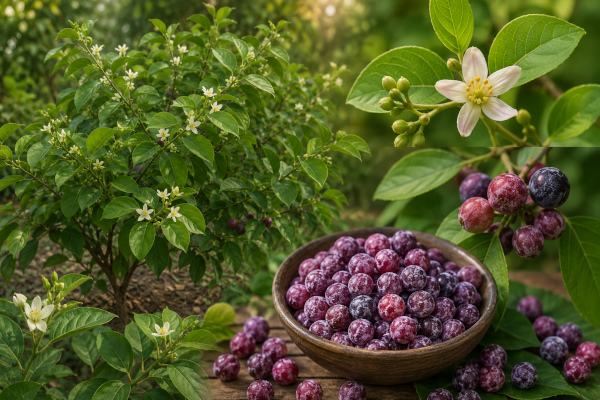
Solanum nigrum belongs to the Solanaceae family, the same large plant family that includes tomato, brinjal, chilli, and potato. It is generally a small herbaceous plant with soft stems, green leaves, tiny white star-like flowers, and clusters of berries that turn dark purple to black when ripe. Reviews note that both the leaves and berries are edible, though the leaves need proper cooking and the plant as a whole must be handled knowledgeably because of its alkaloid content.

Alignment of AYUSH with Global Practices

Ministry of Ayush has established Pharmacopoeia Commission for Indian Medicine & Homoeopathy (PCIM&H) as its subordinate office to prescribe Pharmacopoeial Standards for ASU&H drugs, which serve as official compendia in accordance with the Drugs & Cosmetics Act, 1940 and Rules, 1945.

Categories