Infrastructure

Indian Infrastructures and Capabilities

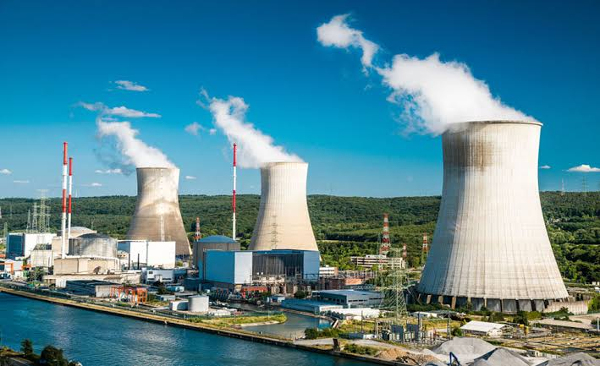
India Builds Indigenous Nuclear Technology Ecosystem as Three-Stage Programme Moves Towards Thorium Era

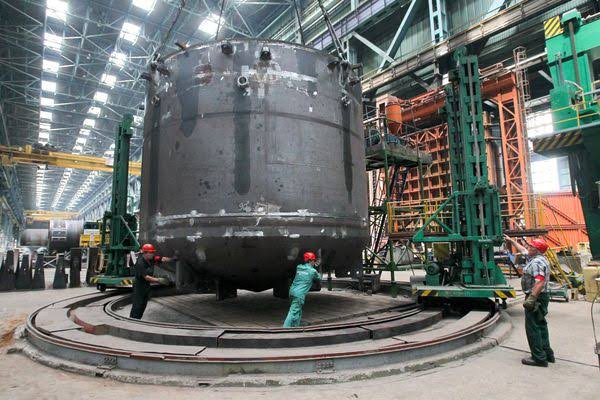
India’s electricity system is simultaneously expanding renewable generation and searching for dependable sources capable of operating continuously. Solar and wind power will remain central to the energy transition, but their output varies with weather and time of day. Nuclear plants, once operating, can supply electricity continuously for long periods and therefore provide an important source of stable baseload generation.

ONGC Begins Commercial Crude Oil Production From West Bengal’s Ashoknagar Field

The development centres on the Baigachhi area of Ashoknagar, around 48 kilometres from Kolkata, where ONGC discovered commercially significant hydrocarbons after decades of exploration across the Bengal Basin. Local reporting describes the latest milestone as the commencement of commercial crude production, while ONGC itself has said that its first commercial hydrocarbon discovery in the basin has taken a decisive step towards monetisation.

CISF Partners Drone Federation of India to Build Indigenous Counter-Drone Capabilities for Critical Installations

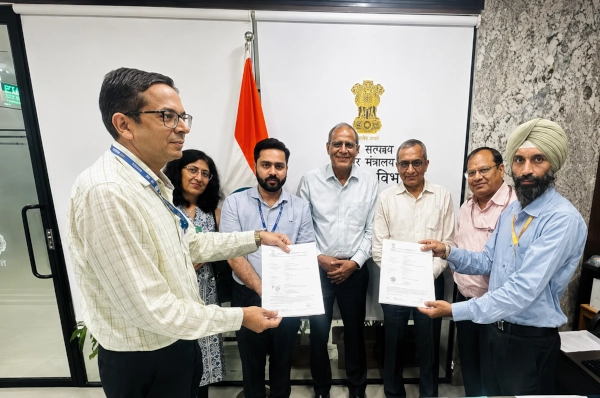
The two organisations signed a Memorandum of Understanding on 28 August 2026 at CISF Headquarters in New Delhi. The partnership will connect the security force directly with India’s growing ecosystem of drone startups, technology developers and counter-UAS specialists, creating a structured mechanism for training, applied research, testing and operational deployment.

Tata Power Renewables Commissions 72.5 MW Solar Project in Rajasthan to Support Tata Steel’s Decarbonisation

The project has been developed for Tata Steel Limited through TP Vardhman Surya Limited, a subsidiary of Tata Power Renewable Energy Limited. Designed as a captive renewable-energy installation, the facility will supply clean electricity for Tata Steel’s requirements while supporting the steelmaker’s broader transition towards lower-emission industrial operations.

DoT and C-DOT to Establish End-to-End Optical Network Testbed for Indigenous Telecom Technologies

Signed on 27 August 2026, the DoT-funded initiative is designed to bridge the gap between laboratory-stage innovation and commercial deployment. Indian startups, telecom companies, researchers and technology developers will be able to test optical networking solutions in a realistic network environment before taking them to market.

MTAR Technologies Wins ₹126.74 Crore NPCIL Order for Critical Nuclear Reactor Assemblies

Both RAPS-4 at Rawatbhata in Rajasthan and MAPS-2 at Kalpakkam in Tamil Nadu are 220 MWe Pressurised Heavy Water Reactors (PHWRs) operated by NPCIL. RAPS-4 entered commercial operation in December 2000, while MAPS-2 has been operating since March 1986. NPCIL’s current operating data confirms that both units remained operational during the April–July period of FY2026-27.

India’s Small Reactor Ambition Expands From Industrial Power to Future Nuclear Shipping

India joined the International Atomic Energy Agency’s Atomic Technologies Licensed for Applications at Sea, or ATLAS, initiative on August 26, 2026, placing the country inside a global effort to establish the technical, safety and regulatory foundations required for peaceful nuclear power at sea. The initiative comes at the same time that India is investing heavily in its own indigenous Small Modular Reactor programme, creating an intriguing long-term convergence between nuclear engineering and the country’s rapidly expanding maritime economy.