India Fires Naval Variant of BrahMos Supersonic Cruise Missile
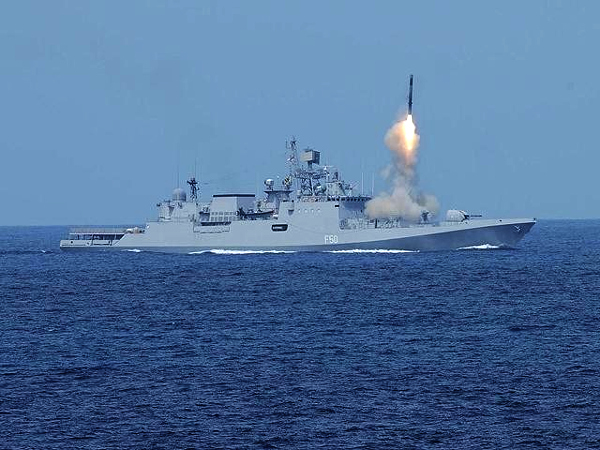
India’s Defence Research and Development Organisation (DRDO) successfully test-fired the naval variant of the supersonic BrahMos cruise missile.
News , articles and essays on Indian Defense
India’s Defence Research and Development Organisation (DRDO) successfully test-fired the naval variant of the supersonic BrahMos cruise missile.
The initiative is coming after Prime Minister Modi took a review meeting with the Defence Ministry officials including the then Chief of Defence Staff General Bipin Rawat where it was felt that strong measures will have to be taken to ensure that country moves firmly towards Aatma Nirbhar Bharat in the defence sector.
Although IAF remains tight-lipped over what India specific enhancements are on Rafale, it is learnt that these relate to long range Meteor air-to-air missile, low band frequency jammers, advanced communication systems, more capable radio altimeter, radar warning receiver, high altitude engine start up, synthetic aperture radar, ground moving target indicator and tracking, missile approach warning systems and very high frequency range decoys.
The indigenously developed anti-tank missile is a low weight, fire & forget missile and is launched from a man portable launcher, integrated with thermal sight. The missile impacted the designated target and destroyed it. The final impact event was captured on camera and the test has validated the minimum range successfully.
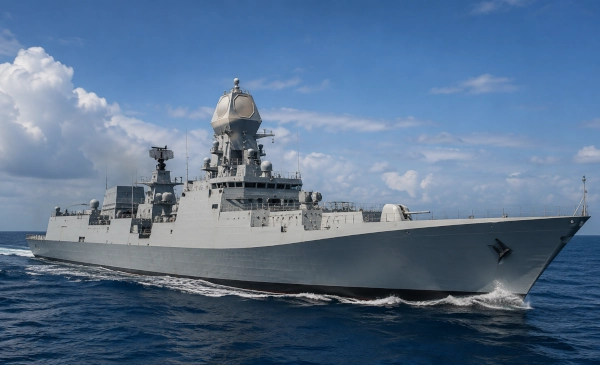
The IAC has been a success story on numerous counts. Be it the case of Atmanirbharta wherein 76% of the equipment is indigenously sourced or the close engagement between the Design teams of the Indian Navy and M/s Cochin Shipyard Limited – a high-point in the largest and most complex warship ever to be built in the country.
ksha Mantri described the announcement of expansion of Sainik Schools as one of the many important decisions taken by the government in the last six-seven years to improve the quality of basic education of children and ensure holistic development of the country.
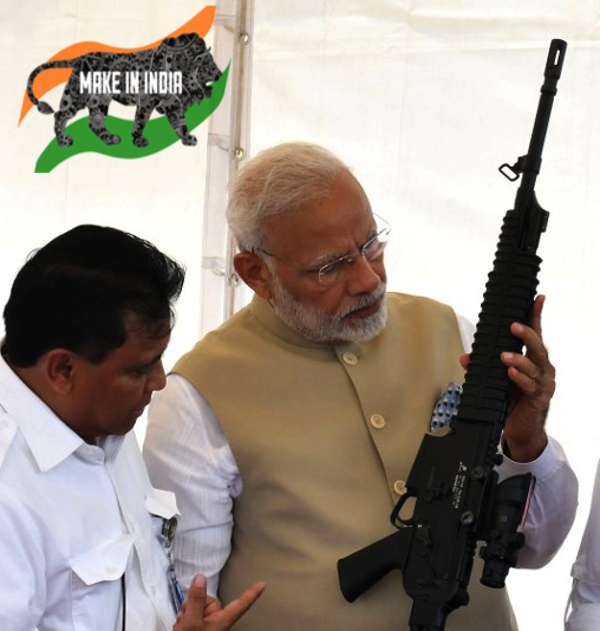
The rifle weighs around 3.84 kgs without the magazine and fires at a cycle rate of 650-850 per minute. Experts say that the new equipment would provide a massive boost for the anti-terror operations.
A release by Indian mission to Antananarivo, which is also concurrently accredited to Comoros, said,” India has always been a reliable responder to the requests made by Comoros”, adding, “Visit of INS Kesari reflects India’s commitment to work together with Comoros, its maritime neighbour and partner in the Indian Ocean Region.”
Two U.S. Navy P-8A Poseidon aircraft join Australia, Canada, India, Japan Maritime Self-Defense Force, and Republic of Korea to begin multinational exercise Sea Dragon 22.
This choice was probably supported by the fact that this is the engine equipped with K9 Vajra-T ACS [the Indian Army has about 100 such units based on the Korean 155-mm K9 Thunder], which produced a localized version of which was engaged in Larsen & Toubro.