Defense

News , articles and essays on Indian Defense

India’s Fourth S-400 Squadron: The Sudarshan Shield Grows Stronger

The S-400 is valuable because it changes the geometry of air defence. A conventional air defence system protects a point or a small area; a long-range system like the S-400 creates a wide defensive bubble around strategic zones, air bases, command centres, industrial corridors and border sectors. Its presence forces an adversary to think about distance, altitude, radar exposure, aircraft survivability and missile engagement envelopes before attempting an air operation. In modern warfare, this psychological pressure is as important as the missile itself.

India’s ₹17,000-Crore Drone Push: A New Battlefield Doctrine Takes Shape

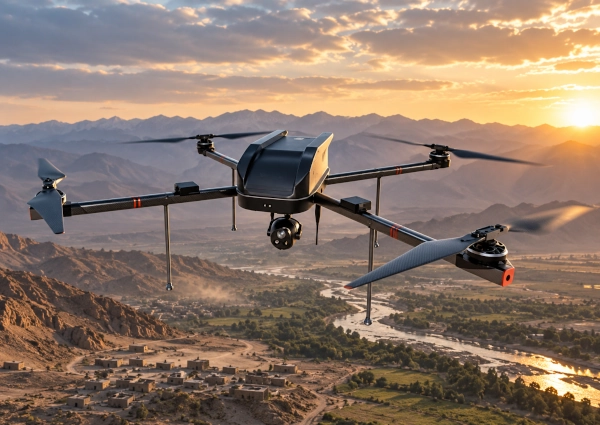
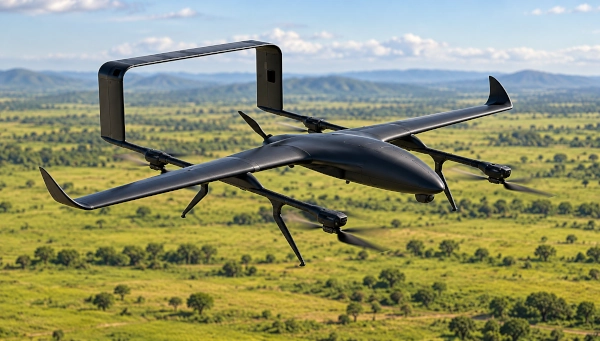
The proposed acquisition is expected to focus on Indian manufacturers, giving the programme a strong Make in India character. This matters because drone warfare depends on scale, speed, software, sensors, payloads and rapid battlefield adaptation. A country that builds its own drone ecosystem gains greater control over upgrades, supply chains, encryption, mission software and wartime production. For India, this is both a military requirement and an industrial opportunity.

RudraM-II Flight Tests Strengthen India’s Indigenous Air-Strike Capability

RudraM-II is an indigenously developed, solid-propelled, air-launched missile system designed for the air-to-surface role. Its purpose is to give combat aircraft the ability to strike enemy assets from stand-off distances, allowing the launch aircraft to engage targets while remaining outside the most dangerous zones of hostile air defence. The system incorporates advanced indigenous technologies developed by multiple DRDO laboratories, making it a significant addition to India’s growing family of precision strike weapons.

Indian Army’s Drone Warfare Push: Training 5 Lakh Soldiers for the New Battlefield

The scale of the plan is striking. Around 50,000 jawans and officers have already been trained in the past year in the operation of Remotely Piloted Aerial Systems. The target now is to expand this capability tenfold. Such a large training base means the Army wants drone awareness to reach the grassroots of its fighting formations. The future infantryman, artillery observer, armoured column commander, logistics planner and aviation pilot will all need to understand how drones shape visibility, targeting, movement and survivability.

Make-in-India Rafale Project: India’s Next Air-Power Leap Takes Shape Around Local Production

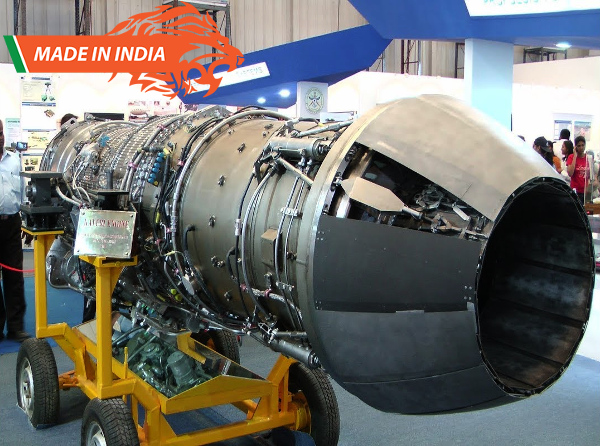
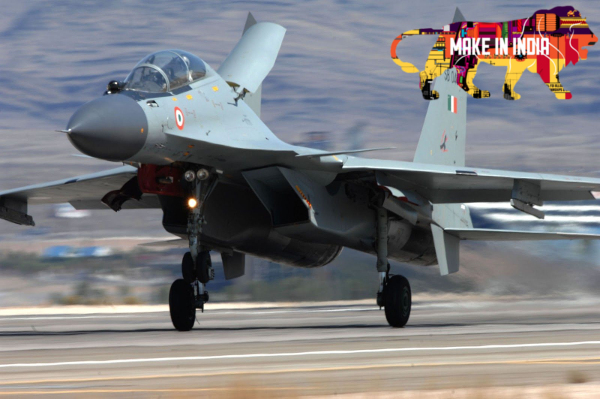
The deal also carries a powerful industrial message. India’s defence manufacturing ecosystem has moved from licensed assembly towards deeper participation in global aerospace supply chains. The Rafale project can accelerate this movement by involving private Indian companies, precision engineering firms, electronics suppliers, composite manufacturers, tooling specialists and maintenance organisations. Each aircraft built or assembled in India can support hundreds of smaller industrial links behind it.

Categories