Kautilya

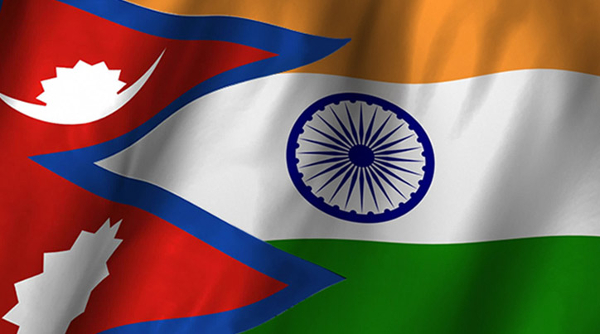
India Hands Over 72 Health Facilities and 12 Heritage Projects to Nepal, Strengthening Reconstruction Diplomacy

The handover carries both practical and symbolic importance. The health facilities strengthen Nepal’s local medical infrastructure, especially in communities that required durable reconstruction after the devastating earthquake of 2015. These centres support public health delivery, emergency care, community-level treatment and access to essential medical services. In a mountainous country where geography can make healthcare access difficult, rebuilt health institutions become lifelines for ordinary citizens.


Lucknow to Get ₹23.42-Crore Museum Celebrating India’s Rituals and Life Traditions

The proposed Uttar Pradesh Sanskriti Sangrahalay and Ritual Centre will focus on the idea that Indian culture is lived through ceremonies, family customs, seasonal practices, sacred duties and community traditions. From birth to the final rites, every stage of life in the Indian worldview carries meaning. The museum aims to present this civilisational journey in a way that is accessible to modern audiences, especially younger visitors, students, tourists and international guests.

India Secures EU Market Access for Aquaculture, Honey, Eggs and Animal-Origin Exports Beyond 2026

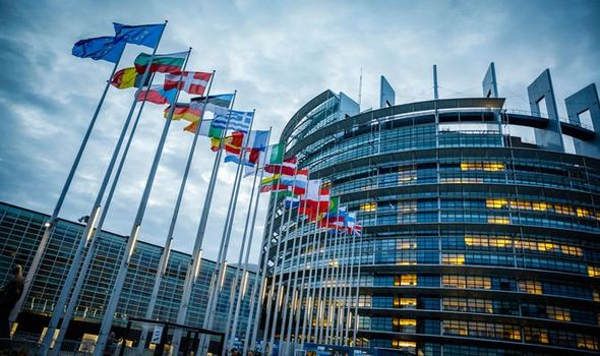
The European Union has amended Regulation (EU) 2021/405 through Commission Implementing Regulation (EU) 2026/1189. The revised framework has been introduced in the context of growing international concern over antimicrobial resistance, commonly known as AMR. From September 2026, countries exporting specified animal-origin products to the EU will have to meet additional regulatory requirements. India’s inclusion in the authorised list means that its export system has been recognised for continued eligibility under this new framework.

Jharkhand’s Amrapali Mangoes Reach London: A New Export Milestone for Women Farmers

The shipment consists of 1.5 metric tonnes of fresh Amrapali mangoes grown by Beura Farmer Producer Company Ltd., an all-women Farmer Producer Company located in Bano Block of Simdega district. The mangoes are being exported by M/s JGB Agrofresh Pvt. Ltd., Kolkata, to London. This makes the consignment important from two angles: it expands Jharkhand’s export footprint and places women farmers directly inside the global agri-value chain.

Arson and Urban Sabotage in the Ramayana: Fire as a Weapon Against Lanka’s War Machine

The burning of Lanka carries a precise military meaning. Hanuman moves through the city with speed, agility and awareness of terrain. Palaces, mansions, towers, storehouses and key urban spaces fall into flames. A city built on wealth, pride and concentrated power suddenly feels vulnerable from within. The defenders see that their capital can be reached, disturbed and damaged by a single warrior. This creates psychological pressure before Rama’s army even arrives at the gates.

Singapore Blocks Online Posts Targeting Indian Community: A Strong Stand for Social Harmony

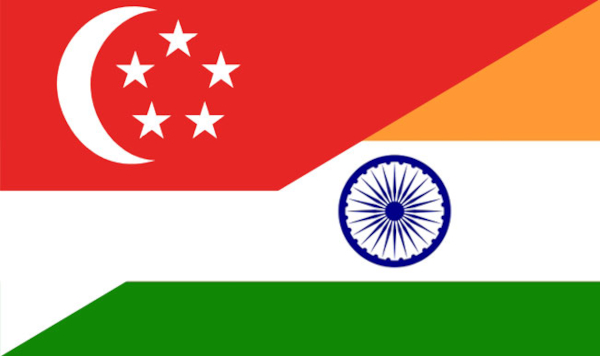
The posts were reportedly aimed at the Indian community and appeared to promote narratives that could weaken confidence in Singapore’s model of coexistence. Authorities directed YouTube, Facebook and X to take reasonable steps to stop users in Singapore from accessing the content. This action shows how governments are increasingly using platform-level enforcement to prevent harmful content from spreading inside national digital spaces.

Centre Standardises Edible Oil Pack Sizes to Bring Transparency to India’s Kitchen Economy

Edible oil is one of the most essential items in the Indian kitchen. A small change in price, quantity or packaging affects millions of households because cooking oil is purchased regularly across income groups. When packets come in uneven quantities such as odd millilitre or gram measures, the buyer often compares only the printed price and misses the actual cost per litre or kilogram. Standard pack sizes reduce this confusion and bring the consumer’s attention back to real value.

India’s Solar Rise: From 2.8 GW to 155 GW, a Clean Energy Revolution Powers the Nation

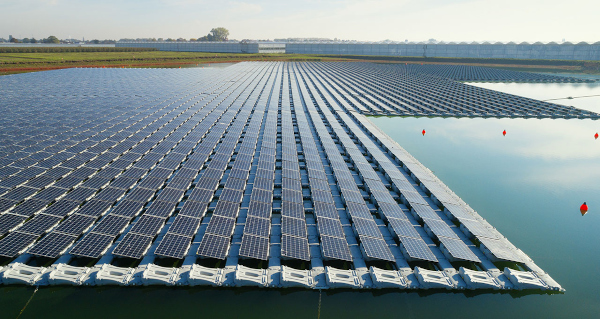
The rise of solar power reflects a deep national shift. India is no longer treating renewable energy as a supporting source of electricity. Solar energy has become part of the country’s development model. It powers homes, farms, industries, public buildings, railway stations, villages and large solar parks. It is helping India reduce dependence on fossil fuels while expanding electricity access across regions.

India Recalibrates Nepal Outreach: Doval–Khanal Talks Signal a Strategic Reset in the Himalayas

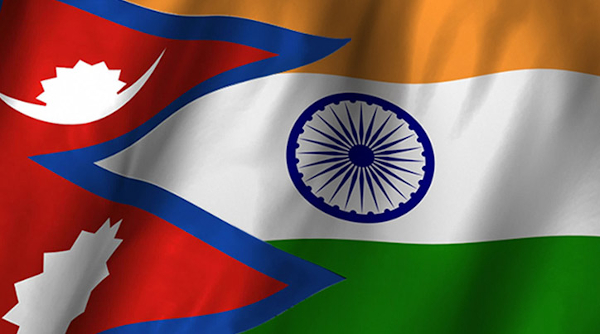
The Doval–Khanal engagement shows that India is choosing direct dialogue, institutional contact and early outreach. Instead of allowing recent tensions to define the relationship, New Delhi appears focused on rebuilding confidence through practical cooperation. The talks reportedly covered security, border management, connectivity, intelligence coordination, energy cooperation, trade, investment and development projects. These are the working pillars of the India–Nepal partnership.

Categories