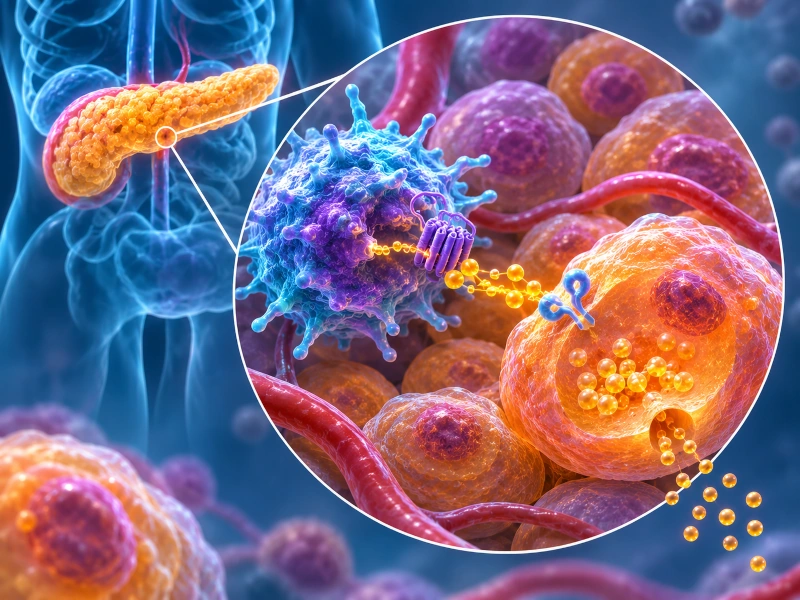
Researchers at the Indian Institute of Technology (IIT) Kanpur have discovered a molecular mechanism through which immune cells residing inside the pancreas can rapidly suppress insulin secretion, providing important new insights into the relationship between the immune system and metabolic disorders such as type 2 diabetes. The discovery, announced by IIT Kanpur in November 2026, identifies a previously underexplored communication pathway between pancreatic immune cells and insulin-producing beta cells, opening new directions for research into the biological mechanisms governing blood glucose regulation.
The study, published in the peer-reviewed Journal of Clinical Investigation, was conducted by researchers at IIT Kanpur in collaboration with the Indiana Biosciences Research Institute in the United States. The research was jointly led by Simran Singh and Ashish Kumar under the supervision of Dr. Sai Prasad Pydi, Assistant Professor in the Department of Biological Sciences and Bioengineering at IIT Kanpur. The scientists investigated how immune cells known as macrophages influence insulin secretion through molecular signals that operate independently of conventional inflammatory processes.
The researchers identified an important role for a cellular receptor called GPR18, which initiates a signalling pathway involving lipid metabolism within pancreatic macrophages. Activation of this pathway causes the immune cells to produce molecular signals that interfere with insulin secretion by neighbouring beta cells. Unlike the prolonged inflammatory processes traditionally associated with pancreatic dysfunction, the newly identified mechanism can influence insulin release within minutes.
The central discovery is that immune cells can directly regulate insulin secretion through rapid molecular communication, revealing an additional mechanism through which immune-system activity may influence metabolic health.
The researchers demonstrated the pathway through experimental investigations involving mouse models and human pancreatic tissue, establishing a scientific foundation for further studies into diabetes, pancreatic function and potential therapeutic targets.
Understanding the Role of the Pancreas in Blood Glucose Regulation
The pancreas is an important organ responsible for producing hormones that regulate glucose metabolism. Among these hormones, insulin plays a central role in maintaining normal blood glucose levels by helping the body’s tissues absorb, utilise and store glucose.
Insulin is produced by specialised cells known as pancreatic beta cells, which are located within clusters called the islets of Langerhans. These clusters contain several types of hormone-producing cells that work together to regulate glucose metabolism and maintain physiological balance.
When blood glucose concentrations rise following a meal, pancreatic beta cells respond by releasing insulin into the bloodstream. The hormone signals tissues such as skeletal muscle and fat to increase glucose uptake while also influencing glucose production and storage in the liver.
Under normal conditions, this process allows the body to maintain blood glucose within a relatively narrow range. However, when insulin secretion becomes insufficient or tissues become less responsive to the hormone, blood glucose levels can remain elevated.
Type 2 diabetes develops through complex interactions involving insulin resistance, pancreatic beta-cell dysfunction, genetic susceptibility and environmental factors. Obesity and chronic metabolic inflammation are among the important conditions associated with impaired glucose regulation.
For several decades, researchers have investigated the role of inflammation in pancreatic dysfunction. The IIT Kanpur discovery adds another dimension to this understanding by demonstrating that immune cells can affect insulin secretion through a rapid biochemical mechanism that does not depend exclusively on prolonged inflammatory damage.
Pancreatic Macrophages Identified as Rapid Regulators of Insulin Secretion
Macrophages are specialised immune cells distributed throughout the body. They help maintain tissue health, remove damaged cellular material, respond to infections and participate in the regulation of biological processes.
Although macrophages are commonly associated with inflammation and immune defence, they also perform important functions within healthy organs. Their activities can influence tissue repair, metabolic balance and communication between different cellular populations.
The pancreas contains resident macrophages situated close to the insulin-producing cells within pancreatic islets. Their location allows them to interact with the surrounding cellular environment and potentially influence pancreatic function.
Previous studies have examined how macrophages contribute to pancreatic inflammation, particularly in metabolic disorders associated with obesity and insulin resistance. However, the IIT Kanpur researchers investigated whether these immune cells could influence insulin secretion through faster signalling mechanisms.
Their experiments demonstrated that activating a particular molecular pathway inside pancreatic macrophages rapidly reduced glucose-stimulated insulin secretion. Conversely, disrupting components of the same signalling pathway improved insulin release under the experimental conditions examined.
The findings establish that pancreatic macrophages can function as active regulators of insulin secretion rather than participating only in long-term inflammatory processes.
This observation provides new insights into how different cell populations within the pancreas communicate and coordinate their biological activities.
GPR18 Receptor Emerges as an Important Molecular Regulator
One of the major findings of the study was the identification of GPR18 as an important receptor involved in initiating the newly discovered signalling mechanism.
GPR18 belongs to a large family of proteins known as G protein-coupled receptors. These proteins are embedded within cellular membranes and enable cells to detect chemical signals from their surrounding environment.
When activated by an appropriate signalling molecule, these receptors initiate biochemical reactions inside the cell. Such reactions can alter cellular metabolism, gene expression, movement and communication with neighbouring cells.
The IIT Kanpur researchers found that activation of GPR18 in pancreatic macrophages initiates signalling through a G protein known as Gαq. This subsequently influences a metabolic signalling pathway involving AMP-activated protein kinase, or AMPK.
AMPK is an important enzyme involved in regulating cellular energy metabolism. It participates in biological processes that help cells respond to changes in nutrient availability and energy requirements.
The study demonstrated that activation of the GPR18–Gαq–AMPK pathway alters lipid metabolism within pancreatic macrophages. These metabolic changes contribute to the generation of signals that influence the insulin-producing beta cells located nearby.
The identification of this pathway provides a molecular explanation for how immune-cell activity can rapidly influence pancreatic hormone secretion.
Lipid Molecules Enable Communication Between Immune Cells and Beta Cells
An important aspect of the discovery concerns the substances responsible for transmitting signals between pancreatic macrophages and insulin-producing beta cells.
Much of the earlier research into immune-related pancreatic dysfunction focused on inflammatory proteins known as cytokines. These molecules participate in immune communication and can influence tissue function during prolonged inflammation.
However, the IIT Kanpur researchers discovered that the rapid suppression of insulin secretion involved lipid-based signalling rather than relying exclusively on conventional inflammatory pathways.
The scientists identified sphingolipids as important molecular participants in this process. Sphingolipids are a class of biological lipids involved in the structure of cellular membranes and the regulation of several cellular functions.
When the GPR18 signalling pathway becomes activated in macrophages, changes occur in sphingolipid metabolism. These changes produce lipid signals capable of influencing neighbouring pancreatic beta cells.
The researchers identified CD36, a protein associated with cellular lipid uptake, as another important component of the communication mechanism. The process also involves downstream signalling through protein kinase C zeta, commonly abbreviated as PKCζ.
Together, these molecular interactions contribute to the suppression of insulin secretion.
The research identifies a communication pathway in which macrophage-derived lipid signals rapidly influence the functioning of pancreatic beta cells, linking immune-cell metabolism directly with hormone regulation.
This finding expands scientific understanding of how lipid signalling contributes to metabolic regulation and demonstrates that immune cells can influence pancreatic activity through mechanisms distinct from prolonged inflammation.
Experimental Studies Demonstrate Changes in Insulin Release
To investigate the newly identified mechanism, the researchers employed specialised genetic, biochemical and molecular techniques designed to examine signalling activity within pancreatic immune cells.
One approach involved selectively activating Gq signalling in macrophages using chemogenetic methods. Chemogenetics allows scientists to control selected cellular signalling pathways experimentally, helping them determine how particular molecular processes influence biological functions.
When the researchers activated Gq signalling in pancreatic macrophages, they observed a rapid reduction in glucose-stimulated insulin secretion in experimental mouse models.
Glucose-stimulated insulin secretion is the process through which pancreatic beta cells release insulin in response to increasing glucose concentrations.
The scientists also investigated the effects of disrupting the same signalling pathway. Their experiments showed that removing the relevant Gαq signalling component from immune cells improved insulin secretion under the tested conditions.
Further investigations demonstrated that interfering with AMPK activity, sphingolipid metabolism and the CD36-associated lipid uptake mechanism could reverse aspects of the observed suppression of beta-cell function.
These experiments helped establish the sequence of molecular events connecting macrophage signalling with insulin secretion.
The findings provide experimental evidence that the identified pathway can be modified and that changes in its activity influence pancreatic hormone release.
Human Pancreatic Tissue Provides Additional Scientific Evidence
A particularly important component of the research involved examining whether the mechanism identified in experimental models also operates in human pancreatic tissue.
Working with the Indiana Biosciences Research Institute in the United States, the scientists studied donated human pancreatic islets and associated immune cells.
The researchers confirmed that the GPR18 receptor is expressed in macrophages present within human pancreatic islets. They subsequently investigated the effects of activating the receptor using a signalling molecule known as N-arachidonoyl glycine, or NAGly.
Their experiments demonstrated that activation of the pathway reduced glucose-stimulated insulin secretion in the human pancreatic tissue samples.
The researchers also observed molecular changes associated with Gαq–AMPK signalling and sphingolipid metabolism, supporting the mechanism identified through the earlier experimental investigations.
The demonstration of this signalling pathway in human pancreatic tissue is significant because it establishes that the mechanism is not confined to laboratory animal models.
However, the human tissue experiments were conducted outside the body. They establish the biological activity of the pathway under experimental conditions but do not demonstrate that modifying it will improve diabetes outcomes in patients.
Further studies involving human physiology and clinical investigation will be required to determine whether the mechanism can be targeted safely and effectively for therapeutic purposes.
Discovery Provides New Insights into Type 2 Diabetes
Type 2 diabetes is a complex metabolic disorder in which the body becomes less responsive to insulin, the pancreas produces insufficient quantities of the hormone, or both processes occur together.
The development of the condition involves interactions among several organs and biological systems, including the pancreas, liver, muscles, adipose tissue and immune system.
Obesity can contribute to metabolic dysfunction through changes in insulin sensitivity, lipid metabolism and inflammatory activity.
Previous research has established that chronic inflammation can interfere with pancreatic beta-cell function. However, the IIT Kanpur findings demonstrate that immune cells may also affect insulin secretion through a rapid biochemical signalling process.
The discovery therefore expands the scientific framework for investigating how immune-system activity contributes to metabolic disorders.
Rather than replacing established explanations involving insulin resistance and pancreatic dysfunction, the newly identified pathway provides an additional mechanism that researchers can examine.
Understanding this process may help scientists investigate why pancreatic insulin secretion becomes impaired under certain metabolic conditions and how immune-cell signalling influences glucose regulation.
The study also highlights the importance of lipid metabolism in communication between immune cells and endocrine cells.
GPR18 and Related Pathways Offer Potential Targets for Future Drug Research
The identification of the GPR18 signalling pathway creates opportunities to investigate new molecular targets for future diabetes research.
One potential area of investigation is the receptor itself. Because GPR18 initiates the identified signalling sequence, researchers may examine whether modifying its activity can influence insulin secretion under relevant physiological conditions.
Another area involves downstream signalling through Gαq and AMPK. Understanding how these molecules regulate lipid metabolism within macrophages could provide insights into the mechanisms responsible for changes in beta-cell function.
The researchers also identified sphingolipid metabolism and CD36-associated lipid uptake as important components of the pathway.
These findings provide several possible points at which future investigations could examine the effects of modifying immune-to-beta-cell communication.
G protein-coupled receptors are already important targets for medicines used in several therapeutic areas. Their ability to regulate cellular signalling makes them attractive subjects for pharmaceutical research.
However, the identification of a potential molecular target does not establish that a safe or effective treatment can be developed from it.
The biological functions of GPR18, AMPK, sphingolipids and CD36 extend beyond pancreatic insulin secretion, meaning that any proposed intervention would require careful investigation of its effects on other tissues and physiological processes.
The research therefore provides a foundation for future drug discovery rather than an approved treatment or cure for diabetes.
India–United States Collaboration Strengthens Biomedical Research
The study demonstrates the value of international scientific collaboration in investigating complex biological mechanisms.
The IIT Kanpur research team contributed expertise in molecular signalling, cellular biology, immunology and metabolic regulation, while collaboration with the Indiana Biosciences Research Institute supported investigations involving human pancreatic tissue.
Dr. Sai Prasad Pydi’s research group at IIT Kanpur focuses on understanding molecular mechanisms associated with obesity, diabetes and related metabolic disorders.
The investigation brought together experimental approaches capable of examining immune-cell signalling, lipid metabolism and pancreatic beta-cell function.
The involvement of human pancreatic tissue was particularly important because findings obtained in experimental models require additional investigation before their relevance to human biology can be established.
Such collaborations allow researchers to combine scientific expertise, specialised experimental facilities and biological resources to address questions that may be difficult for individual laboratories to investigate independently.
The study also highlights the contribution of Indian researchers to international biomedical investigations aimed at understanding the mechanisms underlying major public health challenges.
Strengthening India’s Scientific Contribution to Diabetes Research
Diabetes represents an important public health concern in India, where the condition affects millions of people and contributes to substantial healthcare requirements.
Understanding the biological processes responsible for impaired insulin secretion is essential for advancing research into diabetes prevention and treatment.
Over the past several decades, diabetes research has increasingly recognised the importance of interactions between metabolic tissues and the immune system.
The IIT Kanpur discovery contributes to this growing body of scientific knowledge by identifying a molecular pathway through which pancreatic macrophages can rapidly influence insulin-producing cells.
The findings are particularly relevant because they connect immune-cell activity, lipid metabolism and hormone secretion within a single biological mechanism.
Research of this nature contributes to the scientific foundation required for developing more targeted approaches to metabolic disorders.
The discovery also demonstrates the growing capabilities of Indian institutions in advanced molecular biology, immunology, biomedical engineering and translational research.
By combining detailed cellular investigations with experiments involving human pancreatic tissue, the researchers have generated knowledge that can support further studies into pancreatic function and metabolic disease.
A New Understanding of Immune-System Control Over Insulin Secretion
The IIT Kanpur study represents an important advance in understanding how immune cells influence pancreatic hormone secretion.
The researchers demonstrated that activation of the GPR18 receptor in pancreatic macrophages initiates a molecular signalling process involving Gαq, AMPK and sphingolipid metabolism.
The resulting lipid signals influence neighbouring beta cells through mechanisms involving CD36 and PKCζ, contributing to the rapid suppression of insulin secretion.
The discovery is significant because it identifies a form of immune-to-endocrine communication that operates over a much shorter period than conventional inflammatory damage.
It also provides experimental evidence that modifying components of the pathway can influence insulin secretion under controlled conditions.
The confirmation of the mechanism in human pancreatic tissue strengthens its relevance to further biomedical research.
Although the study does not establish a new clinical treatment, it identifies molecular processes that scientists can investigate in future work aimed at understanding pancreatic dysfunction and diabetes.
The findings also encourage broader examination of the relationship between immune-cell metabolism and the regulation of hormones involved in maintaining physiological balance.
Advancing Research into Diabetes and Metabolic Health
The discovery by IIT Kanpur and its international collaborators opens an important new direction for investigating the biological mechanisms responsible for insulin secretion.
By identifying how pancreatic macrophages can rapidly suppress beta-cell activity through lipid-based signalling, the researchers have expanded scientific understanding of communication between the immune and endocrine systems.
The findings demonstrate that pancreatic function is influenced not only by glucose levels and conventional hormonal signals but also by molecular interactions involving immune cells located within the same tissue.
This knowledge provides opportunities for further investigation into metabolic disorders and the development of research strategies targeting specific cellular communication pathways.
Future studies will need to establish how the identified mechanism operates in people with diabetes, whether it contributes significantly to disease development and whether selective modification of the pathway can provide meaningful therapeutic benefits.
Nevertheless, the discovery represents an important contribution to fundamental biomedical science and strengthens India’s participation in advanced research into metabolic health.
The work highlights how sustained scientific investigation, international collaboration and molecular-level research can reveal previously unrecognised biological mechanisms, creating new opportunities for understanding complex diseases and supporting the long-term development of more precise approaches to diabetes treatment.
You may also like
-
A New Recipe to Shape Magnetisation that Could Open New Doors to Storing Quantum Information
-
ICAR Inaugurates Advanced Genome Editing Research Centre for Horticultural Crops in Bengaluru
-
Himalayan marmot droppings could reveal clues about climate change
-
IIT Gandhinagar Develops Seaweed-Based Smart Fertiliser Beads That Release Nutrients When Plants Need Them
-
IIT Kharagpur Research Finds 37.76% Decline in Metal Pollution Index of Ganga–Hooghly Estuary
