Bengaluru-based healthtech startup SugarStrings.ai has developed Healthstring, a cheek-swab DNA sequencing test designed to screen genetic variants associated with more than 7,400 inherited conditions. The company says the platform covers 7,442 disorders, including 188 hereditary cancers and 302 cardiovascular conditions, while also analysing carrier status and possible genetic responses to more than 300 medicines.
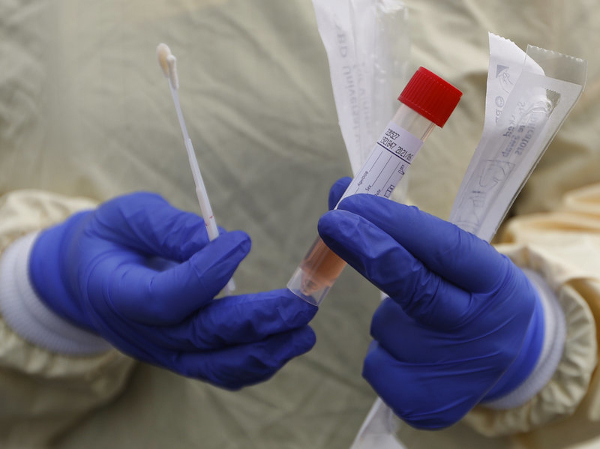
Instead of requiring a blood sample, Healthstring uses DNA collected from cells inside the cheek. The sample can be collected using a home kit and then sent for sequencing and computational analysis. SugarStrings.ai combines next-generation sequencing with bioinformatics and machine-learning-assisted interpretation to identify potentially significant genetic variants.
Genomics Combined With Machine Learning
One of the more interesting aspects of the platform is SugarStrings.ai’s use of machine learning to help interpret genetic mutations. Human DNA contains an enormous number of variations, and the difficult part of genomic medicine is often determining which variants are harmless and which may have medical significance.
The company says its system is also designed to identify variants that may be poorly represented in existing international genomic databases. This could be particularly relevant in India, where the population is genetically diverse and some community-specific variants may not be adequately represented in datasets built largely from overseas populations.
SugarStrings.ai says its technology has been evaluated using data from more than 1,800 patients and that it has begun working with hospitals including Narayana Health, Manipal Hospital and Aster Medcity.
Hereditary Cancer and Cardiovascular Risk
Healthstring includes genetic screening related to hereditary cancer syndromes. Certain inherited mutations can substantially increase the risk of developing cancers such as breast, ovarian or colorectal cancer. Identifying such variants can sometimes help doctors recommend earlier or more frequent screening for patients and, where appropriate, their relatives.
The platform also covers hundreds of cardiovascular conditions. Some heart disorders, including inherited cardiomyopathies, arrhythmias and familial hypercholesterolaemia, can have strong genetic components. Genetic findings in these cases can provide useful additional information when combined with family history, blood tests, imaging and specialist evaluation.
Carrier Screening and Pharmacogenomics
The platform also includes carrier screening for thousands of inherited conditions. A healthy individual can carry a disease-associated genetic variant without developing the disease, but that information may become important when couples are planning a family.
Healthstring additionally incorporates pharmacogenomic analysis, which examines how genetic differences may affect the way a person responds to certain medicines. Such information can sometimes help physicians understand why different patients respond differently to the same treatment, although prescribing decisions still require full clinical assessment.
Screening Is Not a Medical Diagnosis
The company makes an important distinction between genomic screening and diagnosis. A person who carries a disease-associated genetic variant will not necessarily develop the corresponding illness, while someone without a detected hereditary mutation can still develop the same disease because of other genetic, environmental or lifestyle factors.
Healthstring should therefore be viewed as an additional source of medical information rather than a replacement for clinical examination, conventional diagnostics or established screening programmes. Potentially significant findings require interpretation by qualified medical professionals and, in some cases, additional confirmatory testing.
Genetic Privacy Will Be Crucial
The expansion of consumer-accessible genomic testing also raises major questions about data protection. DNA information is permanent and can reveal information not only about the person being tested but also about biological relatives.
SugarStrings.ai says users retain ownership of their genetic data and that such information is not sold or commercially shared without consent. Strong security, informed consent and clear rules governing long-term storage will remain essential as genomic testing becomes more widely used.
An Indian Push Into Precision Medicine
SugarStrings.ai’s development reflects the rapid expansion of India’s genomics and precision-health ecosystem. Falling sequencing costs, improved bioinformatics and advances in artificial intelligence are allowing Indian startups to move beyond conventional diagnostics into hereditary disease screening, pharmacogenomics and personalised medicine.
Healthstring is still an emerging platform, and its broader clinical value will depend on continued validation, physician adoption and responsible interpretation of results. Even so, the ability to use a simple cheek swab for sequencing across thousands of inherited conditions illustrates how quickly genomic medicine is becoming more accessible.
You may also like
-
Ayurveda on Cold Foods and Iced Drinks: Why Food Temperature Matters for Digestion
-
Serum Institute of India-Manufactured Ebola Vaccine Enters Clinical Trial in Uganda
-
Ayurveda and Hydration: How Much Water Should We Really Drink?
-
Warm Water in Ayurveda: When and Why It Is Recommended
-
Women Make Up 43% of India’s Ayush Workforce as Sector Supports 17.6 Lakh Livelihoods
