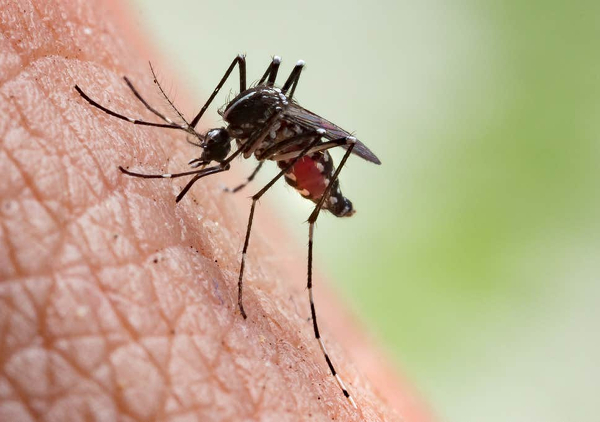
India has approved its first vaccine for the prevention of dengue, marking a major development in the country’s efforts to control the mosquito-borne disease.
The Central Drugs Standard Control Organisation, under the Ministry of Health and Family Welfare, has granted marketing authorisation to Qdenga, a live attenuated tetravalent dengue vaccine manufactured by Takeda GmbH in Germany. The vaccine will be imported and distributed in India by Takeda Biopharmaceuticals India Private Limited.
The approval was granted following a scientific assessment of the vaccine’s quality, safety and efficacy under the Drugs and Cosmetics Act, 1940, and the Drugs Rules, 1945.
Qdenga has been approved for the prevention of dengue in individuals between four and 60 years of age. The recommended immunisation schedule consists of two 0.5-millilitre doses administered three months apart.
The vaccine is designed to provide protection against all four dengue virus serotypes. It has been developed using recombinant DNA technology and uses a dengue virus type-2 backbone containing genes that encode serotype-specific surface proteins.
Qdenga is produced in Vero cells and contains genetically modified organisms. It is supplied as a freeze-dried powder that must be reconstituted before being administered through a subcutaneous injection.
The Indian regulatory approval was supported by evidence from an extensive international clinical-development programme conducted across dengue-endemic and non-endemic regions. Clinical studies included participants from more than eight countries, including Brazil, Thailand and Sri Lanka.
The evaluation also included a pivotal Phase III study conducted among Indian participants aged four to 60 years to assess the vaccine’s safety and ability to generate an immune response.
Qdenga has already received regulatory approval in 42 countries, including the United Kingdom, Switzerland, Indonesia, Malaysia, Thailand and countries within the European Union. It has also received prequalification from the World Health Organization.
More than 24 million doses have been distributed globally. According to the Ministry of Health and Family Welfare, post-marketing surveillance in countries where the vaccine is already in use has shown a favourable safety profile, with no significant safety concerns identified.
The approval is expected to complement India’s existing dengue-control measures, including mosquito-vector management, disease surveillance, early diagnosis and clinical case management under the National Vector Borne Disease Control Programme.
Dengue remains a major public-health concern in many parts of India, particularly during and after the monsoon season. The availability of an approved vaccine adds a preventive tool to the broader strategy of reducing infections, hospitalisations and severe disease.
The Ministry said the decision reflects its commitment to providing timely access to safe, effective and quality-assured vaccines through a science-based regulatory framework.
You may also like
-
How Much Exercise Is Enough According to Ayurveda?
-
AIIA and 132 ECO Task Force Launch 10,000-Plant Ashwagandha Research Initiative in Delhi’s Aravalli Landscape
-
Dr Reddy’s to Bring India’s First CDSCO-Approved Dengue Vaccine QDENGA to Private Market in 2027
-
The Ayurvedic Approach to Exercise and Physical Activity
-
FSSAI Moves to Reserve ‘Paneer’ Name for Milk-Derived Products
