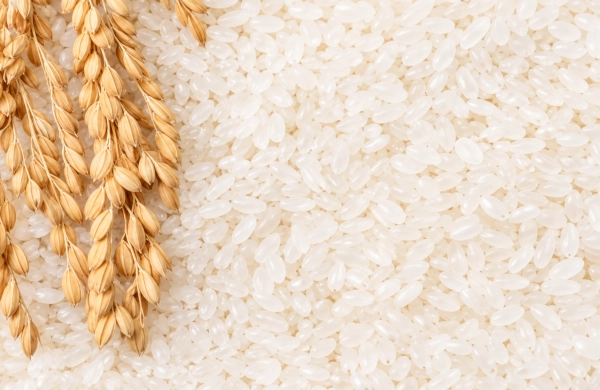
Among Kerala’s traditional rice varieties, Wayanad Jeerakasala Rice occupies a special place for its delicate aroma, fine eating quality and deep connection with the farming communities of Wayanad. Grown in the cool, rain-fed valleys of the Western Ghats, Jeerakasala is a scented non-basmati rice that has been cultivated for generations as a premium grain for special meals rather than simply as an everyday staple. Its distinctive qualities arise from an unusual combination of local seed, altitude, climate, wetland ecology and traditional cultivation practices.
Recognising this relationship between the grain and its place of origin, Wayanad Jeerakasala Rice was registered as a Geographical Indication of Kerala, protecting the identity of one of the state’s most important indigenous aromatic rice varieties.
Geography — Rice from the Highlands of Wayanad
Wayanad lies in the elevated northeastern part of Kerala, where the Western Ghats form a landscape of mountains, forested slopes, broad valleys and paddy wetlands. The district receives heavy monsoon rainfall, with some areas receiving around 3,000 to 4,000 mm annually. Its relatively cool temperatures and high elevation distinguish Wayanad’s rice-growing environment from the warmer lowland paddy regions of Kerala.
Traditional aromatic rice is particularly associated with Wayanad’s valley-bottom fields. Jeerakasala is grown in highland areas, including locations around 750 metres above sea level, where the cooler climate favours the development of its characteristic fragrance. Important areas associated with scented-rice cultivation include Panamaram, Sulthan Bathery, Mananthavady and parts of the Kalpetta region.
The geography is therefore more than a backdrop to the crop. Temperature, rainfall, water availability and the soils of Wayanad’s valleys all contribute to the conditions under which Jeerakasala acquired its reputation.
History — A Rice Preserved by Wayanad’s Farming Communities
Jeerakasala belongs to Wayanad’s old tradition of maintaining separate rice varieties for different purposes. Farming households historically grew ordinary rice for daily consumption while reserving scented varieties such as Jeerakasala and Gandhakasala for special dishes and important occasions. This distinction helped aromatic rice survive even as higher-yielding modern varieties became increasingly common.
The conservation of Jeerakasala has been closely associated with the indigenous agricultural knowledge of Wayanad. Kurichya and Kuruma communities, along with Wayanad Chetti farmers and other cultivators, have traditionally maintained scented rice varieties in the district’s paddy fields. Selection of seed, identification of suitable fields, management of water and knowledge of the proper planting season were passed between generations rather than being created as part of modern commercial rice farming.
For these communities, paddy cultivation has historically been connected not merely with agriculture but also with food security, cultural practice and the management of the valley ecosystem. Jeerakasala consequently represents a surviving element of Wayanad’s agricultural heritage rather than a recently developed commercial variety.
What Makes Wayanad Jeerakasala Rice Special
The defining quality of Jeerakasala is its natural aroma. It is a scented non-basmati rice with a pleasant fragrance and flavour that becomes especially noticeable when the grain is cooked. This aromatic character allows genuine Wayanad Jeerakasala to command a premium compared with many ordinary rice varieties.
Its grain is also physically different from basmati. Jeerakasala grains are generally medium-sized and slightly elongated, while the paddy has a golden-yellow hull and a short awn. Kerala’s official GI information specifically distinguishes the variety from basmati on the basis of its cultivation environment, grain form and physico-chemical characteristics.
The plant itself is a traditional tall rice type. Kerala Agriculture Department material describes Jeerakasala plants as reaching around 130–140 centimetres, with relatively few tillers and long panicles. The plants can be susceptible to lodging because of their height, although the traditional cultivar also shows useful tolerance to several pests and diseases.
Its value, however, is ultimately measured at the dining table. The fragrance and flavour of Jeerakasala make it particularly suited to dishes where the character of the rice itself is meant to remain noticeable. This has helped scented Wayanad rice retain a market identity far beyond the district where it is cultivated.
Traditional Cultivation
Jeerakasala is traditionally cultivated during the Nancha season, corresponding broadly with the main monsoon-dependent paddy season. Farmers time cultivation so that flowering occurs during the cooler period of November and December, conditions believed to favour the development of the grain’s aroma.
The variety is particularly associated with kundu vayals, the deeper paddy fields found in Wayanad’s valley bottoms. Farmers traditionally selected particular rice varieties according to field depth, water availability, soil fertility and local environmental conditions. Jeerakasala, being a medium-duration cultivar, became especially associated with these deeper fields.
Traditional cultivation is closely tied to the wider wetland ecosystem. Wayanad’s paddy fields support birds, fish and other organisms, some of which contribute to natural pest regulation. Preserving Jeerakasala cultivation therefore also helps maintain agricultural landscapes that perform ecological functions beyond rice production alone.
The acreage devoted to scented rice has nevertheless faced pressure over time. Lower productivity compared with modern commercial varieties, the labour involved in traditional paddy farming and changing agricultural economics have contributed to declining cultivation in some areas. Kerala’s Agriculture Department has consequently included Jeerakasala and Gandhakasala among the indigenous high-value paddy varieties targeted for cultivation support and area expansion.
Season, Cuisine and Market
Jeerakasala is essentially a seasonal premium rice linked to Wayanad’s traditional paddy calendar. The crop develops through the monsoon and subsequent cooler months, with farmers making use of the lower temperatures during the reproductive stage to obtain the aromatic qualities for which the variety is known.
Unlike ordinary bulk rice, Jeerakasala occupies a speciality market. Its fragrance, regional identity and comparatively limited production allow it to fetch a higher price. The GI registration strengthens this position by connecting the recognised name Wayanad Jeerakasala Rice with its traditional geographical origin and producer community.
In Kerala’s culinary tradition, aromatic short-grained rice of this type is valued for celebratory and richly flavoured rice preparations. Its ability to carry the aromas of spices, ghee and other ingredients while contributing a fragrance of its own has ensured continuing demand from consumers who prefer traditional Kerala rice varieties over standardised commercial grains.
For Wayanad’s farmers, the future of Jeerakasala therefore depends on more than preserving a rare seed. Maintaining cultivation means preserving the fields, agricultural knowledge and community practices that allow the rice to express the qualities for which it received GI protection.
GI Information
- GI Name: Wayanad Jeerakasala Rice
- State: Kerala
- Category: Agricultural
- Class: 30
- GI Application Number: 186
- Date of Filing: 23 September 2009
- Applicants: Kerala Agricultural University and Wayanad Jilla Sugandha Nellulpadaka Karshaka Samithi
- GI Journal Number: 34
- Certificate Number: 137
- Certificate Date: 4 October 2010
- Current Registration Valid Until: 22 September 2029
- Country: India
Wayanad Jeerakasala Rice demonstrates what a Geographical Indication is intended to protect: not simply the name of an agricultural commodity, but the relationship between a product, a landscape and the generations of people who learned how to produce it. Its aroma was shaped in Wayanad’s cool valleys, while its survival depended on farmers who continued planting it even as Indian agriculture changed around them. The result is a rice whose identity remains inseparable from the highlands of Kerala.
You may also like
-
CSIR-CRRI Partners with Industry to Develop Advanced Indigenous Airport Runway and Pavement Materials
-
Paras Semiconductors Secures 43 Acres in Madhya Pradesh for Proposed ₹6,200 Crore Advanced Chip Packaging Facility
-
Petronet LNG Plans ₹1,200 Crore Joint Venture for Ten Compressed Biogas Plants Across India
-
India Seeks South Korean Shipbuilding Partnerships as Sarbananda Sonowal Begins Four-Day Visit to Busan
-
Koraput Kalajeera Rice of Odisha: The GI-Tagged Aromatic Heritage of India’s Ancient Rice-Growing Region
