Oryza sativa L. as a Light, Cooling and Restorative Food
Laja is the classical Ayurvedic name for rice grains expanded through roasting or parching. It is commonly recognised across India as popped paddy, rice kheel, lahi, lai or lava, with regional preparation methods producing slightly different textures. In Ayurvedic dietetics, Laja occupies a distinctive place between everyday food and therapeutic nourishment. Its lightness, dryness and cooling character make it especially valuable when appetite and digestive strength remain delicate.
The botanical source of Laja is Oryza sativa L., the cultivated Asian rice plant. The accepted scientific spelling is Oryza sativa, and the species belongs to the grass family Poaceae. Rice begins as Tandula or grain, while the application of heat transforms selected paddy into Laja. This processing changes its structure, density, digestibility and Ayurvedic action.
Botanical Identity
| Classification | Details |
|---|---|
| Sanskrit name of the preparation | Laja |
| Source grain | Shali or Vrihi rice |
| Botanical name | Oryza sativa L. |
| Family | Poaceae |
| Part used | Mature seed or paddy grain |
| English description | Parched rice, popped paddy |
| Common Indian names | Kheel, lai, lahi, lava and related regional names |
| Important preparations | Lajamanda, Lajapeya, Laja Sattu and Laja Tarpana |
The word Laja describes the processed grain rather than a separate rice species. The traditional material is prepared from paddy exposed to intense heat until the inner grain expands and the husk opens. The resulting light, crisp grain can be consumed directly, ground into flour or cooked with water to produce therapeutic drinks and gruels.
How to Identify the Rice Plant
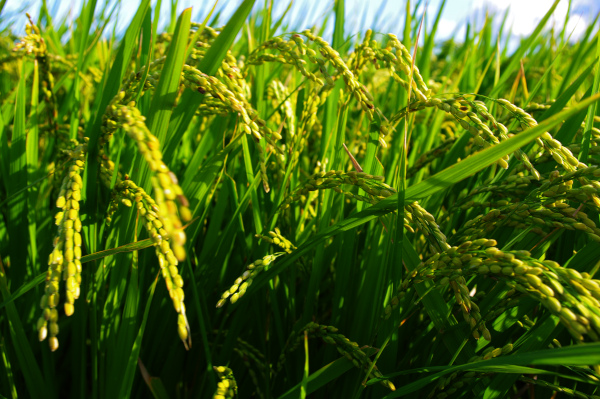
Oryza sativa is an annual grass with a fibrous root system and several upright stems arising in a tuft. Its culms are hollow, jointed and divided by prominent nodes. Long, narrow leaves emerge alternately from the stems and possess parallel venation typical of grasses.
The flowering structure is a branched terminal panicle bearing numerous small spikelets. Each fertile spikelet eventually produces a grain enclosed within a protective husk. Mature rice fields become golden as the panicles bend under the weight of the grains. Botanical authorities recognise Oryza sativa as an accepted species, while the International Rice Research Institute describes it as a variable annual grass with tufted, erect stems and terminal panicles.
What Makes Laja Different from Ordinary Rice?
Ayurveda gives great importance to Samskara, the transformation produced through processing. Boiling, roasting, pounding, fermenting, grinding and combining ingredients can reshape the qualities of a food.
Cooked rice retains considerable moisture and usually provides a soft, nourishing meal. Laja undergoes dry heat, which expands the grain and removes much of its moisture. This produces a lighter and drier food with a larger volume relative to its weight.
The classical term generally indicates parched or popped paddy. Modern puffed rice may be prepared through several commercial processes, so texture and composition can vary. For an Ayurvedic recipe, fresh, plain Laja without heavy seasoning, artificial flavouring or excessive oil provides the closest practical ingredient.
Ayurvedic Properties of Laja
| Ayurvedic principle | Traditional interpretation |
|---|---|
| Rasa — taste | Predominantly Madhura, mildly sweet |
| Guna — qualities | Laghu and Ruksha: light and dry |
| Virya — potency | Sheeta: cooling |
| Dosha action | Commonly pacifies Kapha and Pitta |
| Principal actions | Grahi, Trishnahara, Tarpana and Pathya |
| Digestive character | Light and suitable when Agni remains delicate |
Official Ayurveda Aahara records describe Laja-based preparations as Madhura, Laghu, Ruksha and Sheeta. Lajamanda is specifically described as light and as pacifying Kapha and Pitta.
Its dry quality can become pronounced when Laja is eaten in large amounts directly from the packet. Warm water, ghee, milk or an appropriate liquid medium modifies this dryness and creates a more nourishing preparation.
Laghu: Lightness and Digestive Comfort
The most celebrated quality of Laja is Laghu Guna, or lightness. The expanded grain has a delicate structure and places less demand on digestion than many dense cereal preparations.
This quality explains its place in dietary regimens followed during fever, digestive disturbance, reduced appetite and recovery from illness. Ayurveda frequently begins with very light liquids and gradually moves towards gruels and solid food as Agni returns. Lajamanda belongs to the lighter end of this sequence.
Laghu food supports the body while allowing digestive energy to recover. Its suitability still depends upon the recipe, portion and individual constitution.
Ruksha: The Dry Quality
Laja is also Ruksha, meaning dry or moisture-absorbing. This quality can help balance the oily, heavy and moist nature associated with Kapha. It also contributes to the Grahi character of certain Laja preparations.
Dryness calls for balance in people with dominant Vata. A dry bowl of puffed rice may increase thirst, roughness or abdominal movement, while Laja cooked in water or combined with a modest quantity of ghee becomes gentler and more satisfying.
Ayurveda therefore evaluates the complete dish. Laja with warm liquid has a different effect from Laja mixed with deep-fried snacks, chilli, refined sugar or large quantities of salt.
Sheeta Virya and Pitta Balance
Laja is classically associated with Sheeta Virya, or cooling potency. Its mild sweetness and cooling action make it useful in dietary preparations selected for thirst, heat, burning sensations and Pitta-related states.
The cooling action refers to its Ayurvedic metabolic effect. Serving temperature may still be warm, especially for Vata-sensitive individuals or during convalescence. A freshly prepared warm Lajamanda can retain the classical cooling character of the grain while remaining soothing to digestion.
Kapha and Laja
Laja’s light and dry qualities counter the heaviness, oiliness and sluggishness of Kapha. A plain preparation can suit situations involving poor appetite, a coated feeling in the mouth or heaviness after meals.
The accompanying ingredients shape the final Dosha action. Ghee increases softness and nourishment, while dry ginger, Pippali or black pepper introduce warmth and digestive stimulation. Sugar and rich fried additions create a heavier food.
Laja as Grahi
Grahi describes a substance that absorbs excess fluid and supports the proper formation and retention of digested material. The Ayurveda Aahara Compendium lists Grahi among the classical indications of Lajamanda.
This action explains the traditional use of Laja preparations during loose stools and periods of digestive sensitivity. The method usually involves ample water and thorough cooking, producing a simple fluid food rather than a highly seasoned snack.
Persistent diarrhoea, blood in the stool, fever, dehydration, severe pain or symptoms in infants and elderly people require prompt medical assessment.
Laja for Trishna or Excessive Thirst
Lajamanda has a long association with Trishna, the Ayurvedic condition of excessive or distressing thirst. The liquid preparation supplies water together with a small quantity of easily processed rice material.
The official compendium records Lajamanda as a light drink traditionally associated with thirst and fever.
Its usefulness comes from the combination of light nourishment and fluid. Excess sugar and salt change this character, making a simple preparation preferable when the purpose is gentle hydration.
Laja During Jwara
Jwara encompasses fever and the wider systemic disturbance associated with it in classical Ayurveda. During fever, appetite may decline while thirst, weakness and digestive sensitivity increase.
Lajamanda appears in classical dietary guidance for Jwara because it provides a small amount of nourishment in a light liquid form. The Ayurveda Aahara Compendium cites the Sharngadhara Samhita, Sushruta Samhita and Yoga Ratnakara in its entry for Lajamanda and records its association with Jwara and thirst.
The stage of fever matters greatly. Medical care remains central, while the diet should follow appetite, hydration status and professional advice.
Lajadi Kashaya: Classical Parched-Rice Cooling Tea
Lajadi Kashaya, also described as parched-rice tea, is a cooling Ayurvedic drink prepared from Laja together with aromatic herbs traditionally selected for burning sensations and Pitta-related fever. The formulation is recorded in the Daha Prakaranam of Vaidya Chintamani, Volume II.
The preparation combines the lightness of parched rice with the cooling fragrance of Chandana and Ushira. Hribera contributes an aromatic quality, while sugar softens the taste and reinforces the cooling character of the drink. The finished Kashaya is described as Sheeta, Madhura and Laghu—cooling in potency, sweet in taste and light to digest.
Ingredients
| Ingredient | Botanical or common identity | Part used | Proportion |
|---|---|---|---|
| Jala | Water | — | 16 parts |
| Laja | Parched seeds of Oryza sativa L. | Parched grain | ¼ part |
| Hribera | Juniper, identified in the cited recipe as Juniperus communis L. | Fruit | ¼ part |
| Chandana | Sandalwood, Santalum album L. | Heartwood | ¼ part |
| Ushira | Khas grass, Vetiveria zizanioides (L.) Nash | Root | ¼ part |
| Sharkara | Sugar | — | As required |
Method of Preparation
Clean and dry Laja, Hribera, Chandana and Ushira thoroughly. Coarsely powder the ingredients to obtain a Yavakuta, or coarse decoction powder. Mix the powdered ingredients evenly and place them in a clean vessel.
Add sixteen parts of water and boil the mixture gently over low heat. Continue simmering until the liquid is reduced to approximately one-eighth of its original quantity. When sixteen parts of water are used, the final liquid should measure about two parts.
Strain the decoction while warm. Add sugar according to taste and therapeutic suitability. The drink may be served comfortably warm or after it has cooled naturally.
Ayurvedic Properties
Lajadi Kashaya is traditionally described as:
Sheeta — cooling in potency
Madhura — sweet in taste
Laghu — light to digest
Pittashamaka — supportive in balancing aggravated Pitta
Dahahara — traditionally used to soothe burning sensations
Traditional Benefits
The formulation is recommended in the classical source as a Pathya, or suitable therapeutic drink, in Daha, meaning burning sensations, and Pitta Jwara, fever associated with aggravated Pitta.
Laja provides a light cereal base, while Chandana and Ushira are renowned in Ayurvedic tradition for their cooling and aromatic actions. The preparation may offer gentle fluid support when thirst, internal heat and reduced digestive strength occur together.
Its use during fever should form part of professional medical care, particularly when fever is persistent, severe or accompanied by dehydration, vomiting, breathing difficulty, confusion or unusual bleeding.
About the Vaidya Chintamani
Vaidya Chintamani is an important Ayurvedic compilation associated with the clinical and pharmaceutical traditions of southern India. The work arranges remedies according to diseases and therapeutic contexts, preserving numerous herbal formulations, dietary preparations and practical methods of medicine-making.
The Lajadi Kashaya recipe appears in Volume II under the Daha Prakaranam, the section concerned with burning sensations and related Pitta conditions. Its inclusion demonstrates the classical Ayurvedic use of familiar foods such as parched rice alongside aromatic medicinal plants. The preparation also reflects the Ayurvedic principle that diet, drink and medicine may function together when selected according to Dosha, Agni and the stage of illness.
Laja and Raktapitta
Several classical formulations combine Laja with cooling and nourishing ingredients in dietary approaches to Raktapitta, a broad Ayurvedic category involving bleeding associated with aggravated Pitta.
The official compendium records Lajadi Tarpana as a preparation of powdered Laja with ghee and honey. It describes the preparation as sweet, cooling, dry and light and cites the Charaka Samhita as its classical source.
Such indications belong to physician-guided Ayurvedic treatment. Unexplained bleeding requires immediate medical evaluation.
Laja in Convalescence
Recovery after fever, vomiting, diarrhoea or prolonged digestive disturbance often requires a gradual return to normal food. Laja preparations can form one step in this progression.
Lajamanda supplies the thinnest portion. Lajapeya provides greater substance. Laja Sattu offers a more concentrated drink, while Laja mixed with ghee or milk becomes increasingly nourishing.
This progression demonstrates a central principle of Ayurvedic dietetics: the quantity and density of food should rise alongside the returning strength of Agni.
Lajamanda: Classical Parched-Rice Water
Lajamanda is the best-known therapeutic preparation made from Laja. It is a thin liquid obtained by thoroughly cooking parched rice in water.
Ingredients
- Laja or plain parched rice — 1 part
- Water — 14 parts
Method
Place the Laja and water in a clean cooking vessel. Bring the mixture to a gentle boil and continue cooking until the grain becomes very soft and its soluble portion passes into the water.
Strain the preparation when a very thin Manda is required. A little softened rice may remain when a slightly more substantial drink suits the individual. Serve fresh and comfortably warm.
The official Ayurveda Aahara recipe uses one part parched rice and fourteen parts water. It recommends consumption within the same day and describes the resulting drink as light, Kapha-Pitta pacifying, Grahi and traditionally useful for thirst and fever.
Lajapeya: A More Substantial Gruel
Lajapeya is thicker than Lajamanda and retains more of the cooked grain. It suits the stage when appetite begins to return and the person can digest a modest amount of soft food.
A simple household version can be prepared with:
- One part Laja
- Fourteen parts water
- A very small amount of Saindhava, according to suitability
- A pinch of dry ginger for Kapha-dominant digestion
Cook until the grains soften and the liquid acquires a light gruel consistency. Serve fresh.
Classical Lajapeya recipes also combine Laja with ingredients such as Shunthi, Dhanyaka, Pippali, Saindhava and pomegranate according to the condition being addressed. The official compendium describes one such preparation as Deepana and Pachana and associates it with fever and diarrhoeal conditions.
Laja Sattu: Roasted Puffed-Rice Drink
Laja Sattu is prepared by grinding roasted Laja into a fine powder. It can be mixed into water to make a smooth drink.
Ingredients
- Laja Sattu — 1 part
- Ghee — a small quantity
- Water — sufficient to produce a thin drink
Method
Lightly roast the Laja in ghee and grind it into a fine powder. Add water gradually while stirring continuously to prevent lumps. Prepare a thin, drinkable consistency and consume it fresh.
The 2026 second part of the official Ayurveda Aahara recipe compendium records this preparation with reference to the Ashtanga Hridaya. It describes Laja Sattu as sweet and Kapha-Pitta pacifying.
Lajadi Tarpana
Tarpana means satisfying, refreshing or nourishing. A classical Lajadi Tarpana combines powdered parched rice with ghee and honey.
The preparation described in the compendium uses:
- Powdered Laja
- Goghrita
- Honey
The ingredients are mixed into a soft, freshly prepared food. The classical context involves therapeutic dietetics, particularly Raktapitta.
Ayurvedic tradition advises against heating honey. Honey should therefore be added only after the other ingredients have cooled to a comfortable temperature.
The Classical Textual Tradition
Laja appears across the Ayurvedic textual tradition as a versatile dietary substance rather than a single fixed remedy. The Sushruta Samhita discusses Lajamanda within its treatment of food qualities. The Sharngadhara Samhita preserves a clear method for preparing the thin drink. The Yoga Ratnakara includes Laja-based preparations in dietary management during fever.
The Charaka Samhita records Laja in Tarpana preparations, while the Ashtanga Hridaya includes Laja Sattu in therapeutic dietary contexts. The contemporary Ayurveda Aahara compendia bring these dispersed references together and present standardised ingredient ratios, preparation methods, properties and classical citations.
This textual continuity shows how Ayurveda adapted one familiar grain into multiple levels of nourishment, from a thin medicinal drink to a strengthening cereal preparation.
Cultural Importance of Laja
Laja has also carried ritual significance in Indian life. Popped paddy is associated with offerings, auspicious ceremonies and traditional marriage rites. Its expansion under fire gives it a symbolic connection with fertility, abundance and transformation.
This cultural role complements its medical identity. The same grain served as food, restorative diet and sacred offering, illustrating the integrated place of agriculture in Indian civilisation.
Selecting Good Laja
Good-quality Laja should appear fresh, crisp and clean, with a mild roasted-rice aroma. It should remain free from dampness, rancidity, insects and excessive fragments of husk.
For medicinal dietary use, choose a plain product. Strongly salted mixtures, coloured snack preparations and products cooked in repeatedly heated oil possess a very different dietary character.
Store Laja in a clean airtight container away from heat and moisture. Prepare Manda, Peya and Tarpana fresh, since their high water content makes them suitable for same-day use. The official compendium likewise recommends consuming these water-based preparations within a day.
Precautions
Laja is light in weight, which can make a large bowl appear modest. Appropriate portion size remains important, particularly when it is combined with jaggery, sugar, sweet syrups or fried accompaniments.
People with Vata-dominant dryness, frequent bloating or constipation may find plain dry Laja uncomfortable. Warm Lajamanda, a little ghee and appropriate spices usually create a gentler preparation.
People managing diabetes should account for the carbohydrate content and avoid assuming that puffing removes the grain’s effect on blood glucose. Honey, sugar and sweet fruit additions further increase the carbohydrate load.
Rice allergy is uncommon, though any known grain allergy calls for individual medical guidance. Persistent fever, vomiting, diarrhoea, dehydration or bleeding requires professional diagnosis and treatment.
Conclusion
Laja represents one of Ayurveda’s finest examples of food transformed through Samskara. The familiar grain of Oryza sativa L. acquires a lighter, drier and more cooling character through parching. This transformed rice can then be shaped into Lajamanda, Lajapeya, Laja Sattu and Laja Tarpana according to the person’s strength and digestive capacity.
Its Laghu quality makes it appropriate during delicate digestion. Its Ruksha character assists in balancing Kapha. Its Sheeta nature contributes to Pitta-soothing dietary preparations, while its Grahi and Trishnahara actions explain its classical role in digestive disturbance, thirst and convalescence.
Laja demonstrates the depth of Ayurvedic food science: one grain, several methods of preparation and a carefully graded path from illness towards nourishment.
Health Disclaimer
This article presents historical and Ayurvedic information for educational purposes. It does not replace medical diagnosis, emergency care, prescribed treatment or personalised nutrition advice. Fever, persistent vomiting, diarrhoea, dehydration, unexplained bleeding and symptoms affecting infants, elderly people or pregnant women require guidance from a qualified healthcare professional.
REFERENCES
- Vaidya Chintamani. Volume II, Daha Prakaranam, p. 432. “Lajadi Kashaya”—a classical parched-rice decoction prepared with Laja, Hribera, Chandana, Ushira, water and sugar.
- Government of India, Ministry of AYUSH. Ayurveda Aahara Compendium. Central Council for Research in Ayurvedic Sciences, New Delhi. Entries relating to Laja, Lajamanda, Lajapeya and classical rice-based dietary preparations.
- Sushruta. Sushruta Samhita. Edited with the Nibandhasangraha commentary of Dalhana. Chaukhambha Sanskrit Sansthan, Varanasi. Classical descriptions of rice, Laja and therapeutic dietary preparations.
- Vagbhata. Ashtanga Hridaya. Edited with the Sarvangasundara commentary of Arunadatta and Ayurvedarasayana commentary of Hemadri. Chaukhambha Orientalia, Varanasi. References to Laja and light dietary preparations used during illness and convalescence.
- Charaka. Charaka Samhita. Edited with the Ayurvedadipika commentary of Chakrapanidatta. Chaukhambha Sanskrit Sansthan, Varanasi. Classical principles of Pathya, Jwara, Trishna, Daha and graded therapeutic nutrition.
- Royal Botanic Gardens, Kew. Plants of the World Online. “Oryza sativa L.” Botanical identity and accepted taxonomic classification of cultivated Asian rice.
- International Rice Research Institute. Rice Knowledge Bank. Botanical description, cultivation and grain characteristics of Oryza sativa L.
- Sharma, P. V. Dravyaguna Vijnana. Chaukhambha Bharati Academy, Varanasi. Ayurvedic properties and therapeutic uses of Chandana and Ushira.
- Bhavamishra. Bhavaprakasha Nighantu. Commentary by K. C. Chunekar. Chaukhambha Bharati Academy, Varanasi. Classical descriptions of rice products, cooling herbs and dietary substances.
You may also like
-
Robotics, AI and Nanoscience Set to Transform Precision Medicine in India
-
Why Ayurveda Recommends Eating Only When Hungry
-
Ayurveda on Eating at the Right Time: How Food Timing Supports Balance and Health
-
Ayurveda and Late-Night Living: What Irregular Sleep Does to the Body
-
India’s Ayush Services Economy Reaches $36.92 Billion, RIS Study Projects Strong Growth to 2047
