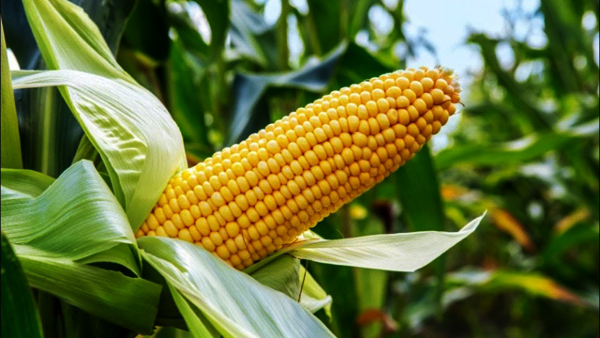
India is rapidly increasing the use of maize for ethanol production as the country moves ahead with the nationwide expansion of E20 petrol. The shift marks an important stage in the ethanol blending programme, which has traditionally relied heavily on sugarcane-derived feedstock.
Petroleum Minister Hardeep Singh Puri has said that maize now contributes around 35% of India’s ethanol output, highlighting the growing importance of grain-based biofuels in the national energy strategy. The development reflects the government’s effort to build a more diversified and dependable ethanol supply chain.
Sugarcane has played a major role in India’s ethanol sector for several years. Its high water requirement and concentration in specific agricultural regions have encouraged policymakers to promote alternative feedstocks. Maize offers wider cultivation potential across different agro-climatic zones and generally requires less water, making it suitable for expanding ethanol production across a broader geographical area.
The growing use of maize is also expected to create additional income opportunities for farmers. Ethanol producers can provide a new market for surplus or lower-grade maize, while assured procurement mechanisms may strengthen rural value chains and encourage investment in storage, transportation and processing facilities.
India’s E20 programme involves blending 20% ethanol with petrol. The initiative is designed to reduce crude oil imports, support cleaner mobility, lower carbon emissions and increase the share of domestically produced energy in the transport sector. A stable supply of maize-based ethanol can help sustain the programme as fuel demand continues to grow.
Feedstock diversification is central to the long-term success of the blending programme. Greater dependence on maize, damaged food grains, agricultural residues and other sources can reduce pressure on any single crop and improve the resilience of the ethanol industry.
The transition will also require substantial investment in infrastructure. Expanded maize procurement networks, scientific storage facilities, grain-handling systems and modern distilleries will be needed to support larger production volumes. Efficient supply-chain management will be essential to connect farmers with ethanol plants and maintain a steady flow of raw material.
Policymakers will also need to carefully balance the use of maize for food, animal feed and fuel. Rising industrial demand could influence market prices, particularly during years of lower agricultural output. Production incentives, improved seed varieties, higher farm productivity and strategic stock management can help protect food security while supporting ethanol expansion.
The increasing share of maize in ethanol production demonstrates the evolution of India’s biofuel policy from a sugarcane-centred model towards a more diversified agricultural energy system. It brings together energy security, rural development, cleaner fuel adoption and water conservation within a single national programme.
As E20 fuel becomes more widely available, maize is likely to play an increasingly important role in India’s transition towards lower-emission transport and reduced dependence on imported petroleum.
References
- The Economic Times. “Hardeep Puri Explains Why India Has Among World’s Cheapest Petrol and Outlines the Country’s Ethanol Strategy.” 10 July 2026.
https://economictimes.indiatimes.com/industry/energy/oil-gas/puri-explains-why-india-has-among-worlds-cheapest-petrol-spells-out-countrys-fuel-strategy-ethanol-blending-sugarcane/articleshow/132302541.cms - BioEnergy Times. “Ethanol Blending Helped India Cushion Impact of Global Crude Price Surge: Puri.” 10 July 2026.
https://bioenergytimes.com/ethanol-blending-helped-india-cushion-impact-of-global-crude-price-surge-puri/ - National Academy of Agricultural Sciences. “Maize for Bioethanol Production in India.” Strategy Paper No. 19.
https://naas.org.in/spapers/Strategy%20Paper%20No.%2019.pdf - Down To Earth. “Ethanol Push: India’s Maize Cultivation Surges, Raises Food and Feed Concerns.” 14 August 2025.
https://www.downtoearth.org.in/energy/biofuels-area-under-maize-cultivation-in-india-increases-sharply-driven-by-push-for-ethanol
You may also like
-
SCI and India’s Push for a Larger Indigenous Maritime Fleet
-
Hindustan Shipyard to Serially Produce Indigenous JAYA Autonomous Underwater Vehicle After CSIR-NIO Technology Transfer
-
Jammu & Kashmir Begins Organised Mineral Development with Auction of Two Limestone Blocks
-
Jawahar Dweep Becomes India’s First Plastic-Free Oil Terminal at Mumbai Port
-
Bihar’s Makhana Reaches Greece as APEDA Expands Export Market Access
