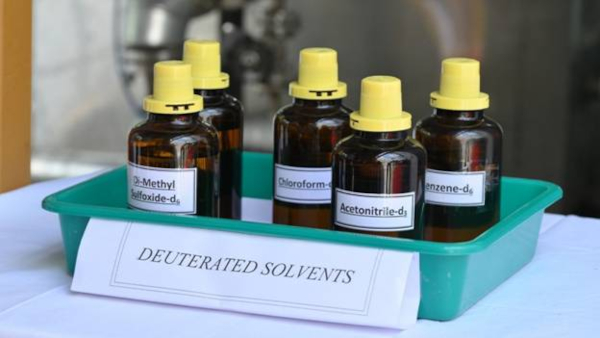
Vadodara, June 21, 2026: In a major boost to India’s indigenous technological and strategic materials capabilities, Dr. Ajit Kumar Mohanty, Secretary of the Department of Atomic Energy (DAE) and Chairman of the Atomic Energy Commission (AEC), inaugurated the Versatile Deuterated Compounds Production Plant (VDPP) and commissioned the 24 kA Prototype Sodium Cell at the Heavy Water Board Facilities (HWBF) in Vadodara on Sunday.
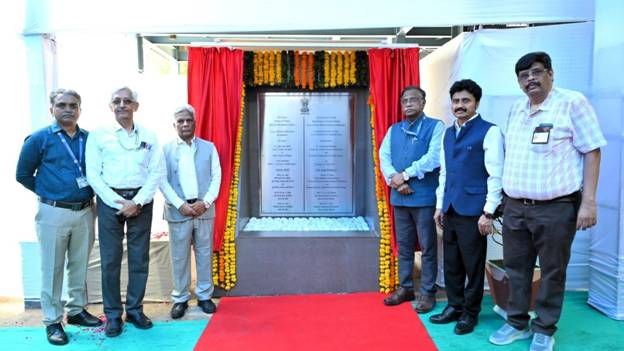
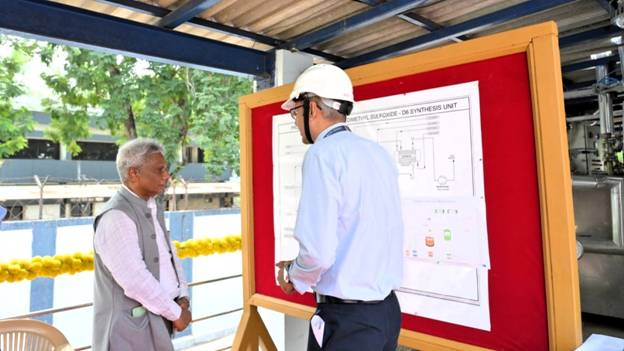
The newly established VDPP is designed to strengthen India’s capacity to produce specialized deuterated compounds and high-purity deuterated solvents domestically. These materials are essential for advanced scientific research, strategic applications, and emerging technologies, reducing dependence on imports and enhancing national self-reliance.
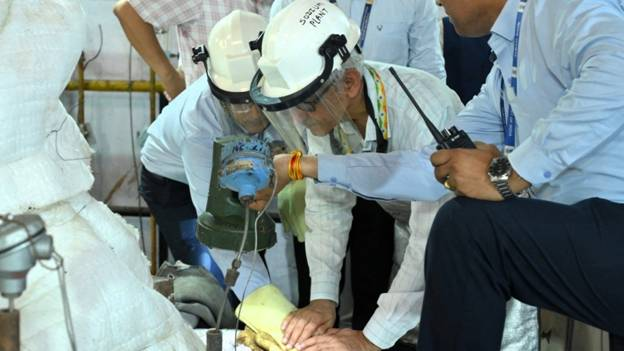
The commissioning of the 24 kA Prototype Sodium Cell marks a significant milestone in the development of indigenous industrial-scale production of nuclear-grade sodium. This critical material is required for India’s Fast Breeder Reactor (FBR) Programme and plays a key role in the second stage of the country’s three-stage nuclear power programme.
Addressing the gathering, Dr. Mohanty said that both facilities demonstrate India’s growing expertise in developing critical technologies through indigenous research and innovation. He emphasized that the establishment of a domestic nuclear-grade sodium production capability will support the future expansion of the Fast Breeder Reactor Programme while contributing to the vision of Viksit Bharat and Atmanirbhar Bharat.
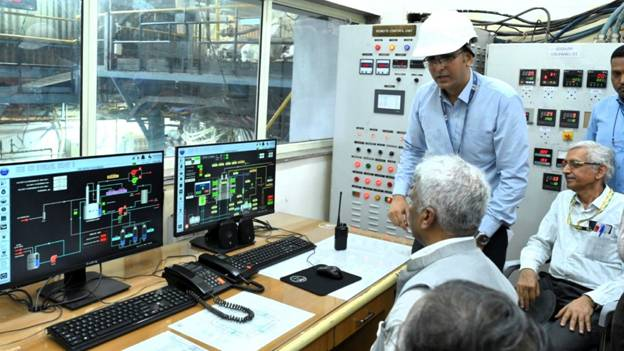
The event was attended by Shri K. N. Vyas, Homi Bhabha Chair Professor and former Secretary, DAE; Shri V. V. S. A. Prasad, Chairman and Chief Executive of the Heavy Water Board; Shri K. V. Tale, Director (Operation/Technical), Heavy Water Board; Shri Nitesh Mehta, Officer on Special Duty, HWBF Vadodara; along with senior DAE officials, scientists, engineers, and employees.
The two new facilities highlight the Department of Atomic Energy’s continued commitment to technological innovation, strategic self-reliance, and strengthening India’s long-term nuclear energy infrastructure. They are expected to play an important role in supporting advanced research, strategic programmes, and the nation’s future energy security objectives.
Source: PIB
You may also like
-
Vietnam Expands Business and Investment Links Across India’s Major Economic Hubs
-
India’s GST Collections Rise 14.7% to ₹2.04 Lakh Crore in September
-
SberIndia Lending to Indian Companies Quadruples as India-Russia Trade Finance Expands
-
India Manufacturing PMI Rises to Seven-Month High of 55.1 in September
-
Nothing and Optiemus Announce $100 Million Joint Venture to Expand Smartphone Manufacturing in India
