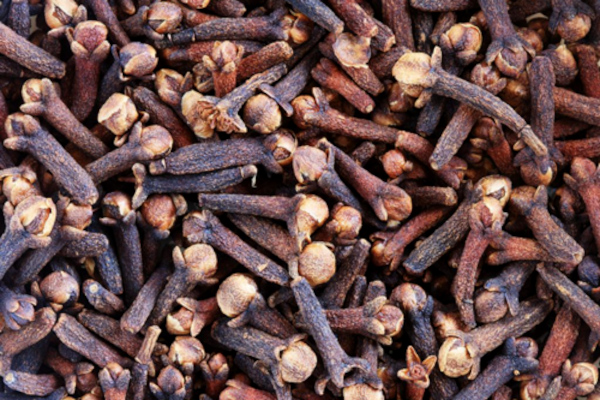
Clove, known in Ayurveda as Lavanga and commonly called laung, is one of the strongest spices in the Indian kitchen. It is small in size, sharp in fragrance and powerful in action. A single clove can change the taste of a whole dish, freshen the mouth, stimulate digestion and bring warmth to a tired body. Ayurveda looks at such spices with great respect because they are not merely flavouring agents. They are daily medicines hidden inside food.
Clove is the dried flower bud of the Syzygium aromaticum tree. Its dark colour, intense aroma and piercing taste reveal its concentrated nature. In Indian homes, it is used in rice dishes, curries, masalas, herbal teas, kaashayams, pickles and festive preparations. It is also one of the most famous home remedies for tooth discomfort, bad breath, cold, cough and heaviness after meals. This wide use comes from its deep action on the mouth, stomach, lungs and channels of circulation.
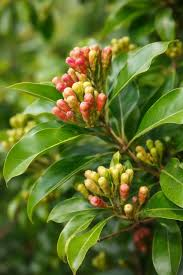
In Ayurvedic understanding, clove has katu and tikta rasa, meaning pungent and slightly bitter taste. Its guna is light, sharp and penetrating. It is traditionally described with a powerful action on kapha, especially when kapha creates heaviness, mucus, bad taste, sluggish digestion or blocked breathing. Its vipaka is pungent, which means its post-digestive effect continues to support metabolism and channel-clearing action. Some traditions describe its virya as sheeta, while its practical kitchen action feels warming, stimulating and sharp because of its strong aromatic potency. This makes clove a unique spice that can awaken digestion without being used carelessly in large quantity.
Clove is especially useful when digestion becomes slow. Ayurveda gives great importance to agni, the digestive fire. When agni is weak, food sits heavily, gas forms, the tongue becomes coated, appetite falls and the body feels dull. Clove helps kindle appetite and supports pachana, the digestion of accumulated heaviness. A tiny pinch of clove powder or one clove in warm herbal tea can bring lightness after a heavy meal. It works well with ginger, cinnamon, cardamom and black pepper in small amounts.
The mouth is one of clove’s strongest areas of action. Ayurveda connects oral freshness with digestion and internal cleanliness. Bad breath often reflects food residue, gum weakness, coated tongue, poor digestion or excess kapha. Clove’s sharp aroma cleanses the mouth, improves taste and gives a feeling of freshness. Chewing one clove after food is a traditional habit in many homes. It stimulates saliva, reduces bad taste and gives the mouth a clean, warm fragrance.
Clove is also famous for tooth and gum support. Traditional use of clove for tooth discomfort comes from its strong aromatic oil. It gives a numbing sensation and can bring temporary relief in minor tooth pain. Yet this must be handled with care. Whole clove or very diluted clove preparations are safer than direct strong clove oil. Concentrated clove oil can burn the gums and irritate the soft tissues of the mouth. Tooth pain also needs proper dental care, because pain may come from infection, cavity, gum disease or nerve involvement. Clove can give temporary comfort; it should not replace treatment.
For the respiratory system, clove acts like a channel opener. It supports kapha balance in the throat and chest. When cold weather, damp food, curd, sweets or excess fried items create mucus and throat heaviness, clove can be used in small amounts with tulsi, dry ginger or black pepper. A simple warm infusion with one clove, a few tulsi leaves and a small piece of ginger can support comfort during mild seasonal throat congestion. Its sharpness cuts through stickiness and its aroma helps open the breath.
Clove also has a useful role in nausea and travel-related uneasiness. Its fragrance has a settling effect on the mouth and stomach. In many traditional households, one clove is kept in the mouth during mild nausea, bad taste or a feeling of food rising upward. Its strong taste redirects the senses, stimulates saliva and steadies the stomach. This use must remain gentle, especially for children, pregnant women and people with acidity.
In food, clove works best as a supporting spice. It should not dominate the dish. One or two cloves in rice, pulao, biryani, soups, stews or vegetable preparations are enough for most families. It combines beautifully with cinnamon, cardamom, bay leaf, cumin and fennel. In masala chai, one clove adds depth and medicinal value. In rasam or spiced broths, it supports warmth and digestion. In winter foods, it gives comfort to the throat and chest. In heavy festive meals, it helps balance oiliness and richness.
Clove is particularly suitable for kapha-type conditions: heaviness, dullness, excess mucus, sluggish appetite, coated tongue and cold dampness in the body. It can also support vata when used with ghee, warm milk or digestive spices, because its aroma and warmth help reduce coldness and gas. For pitta-dominant people, clove should be used carefully. Excess clove may increase burning sensation, mouth ulcers, acidity, heat, irritability or skin sensitivity in those with strong pitta.
A simple food-is-medicine use is clove digestive water. Boil one clove with a small piece of dry ginger and a little cumin in two cups of water. Reduce slightly, strain and sip warm after a heavy meal. This supports digestion and reduces heaviness. Another gentle use is clove-cardamom mouth freshener. Lightly crush one clove with one cardamom and chew slowly after food. This freshens the mouth and supports post-meal digestion. For seasonal throat comfort, one clove may be boiled with tulsi and ginger and taken warm.
Clove milk is another traditional preparation, especially during cold weather. One clove can be simmered in a cup of milk with a pinch of turmeric and a small piece of cinnamon. This drink is warming, aromatic and comforting. It should be used occasionally and in small quantities. People with acidity, high body heat or milk intolerance should avoid this preparation or modify it according to their constitution.
Clove is powerful because it is concentrated. This is also the reason for caution. Ayurveda always respects dose, season, constitution and strength of the person. One or two cloves used in food is very different from clove oil, clove extract or large medicinal doses. Clove oil should not be swallowed casually. It should not be given to small children. People with liver disease, bleeding disorders, upcoming surgery, pregnancy, breastfeeding, mouth ulcers, severe acidity or those taking blood-thinning or diabetes medicines should use clove medicinally only with professional guidance.
The best way to use clove is as a kitchen medicine. Keep it whole, fresh and aromatic. Use small amounts. Add it to foods that need warmth, depth and digestive support. Respect its intensity. A spice that can numb the tooth, clear the mouth and awaken digestion does not need large quantity to prove its strength.
Clove teaches one of Ayurveda’s most practical lessons: medicine begins in the kitchen, but wisdom lies in proportion. Used properly, lavanga supports digestion, breath, oral freshness and kapha balance. Used carelessly, it can irritate and overheat. The tiny flower bud carries fire, fragrance and sharp intelligence. In the right dose, it turns ordinary food into medicine and reminds us that healing often begins with the smallest things placed thoughtfully on the tongue.
You may also like
-
Bharat Biotech’s Nucelion and VeGen Bio Partner to Manufacture Advanced Dual-Target CAR-T Cancer Therapy in India
-
Ayurveda and Anger: How Emotional Excess Affects Physical and Mental Health
-
Ayurveda and Stress: Daily Practices for Mental Balance and Emotional Well-Being
-
Ayurveda and Bowel Routine: Why Regularity Matters for Digestive Health
-
Why Ayurveda Warns Against Suppressing Hunger, Thirst and Sleep
