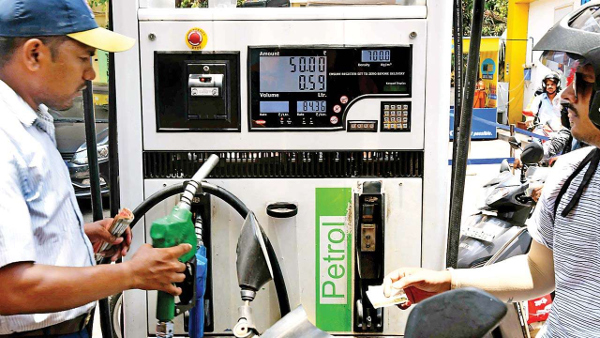
India’s petroleum and LPG supply remains fully secure, the Ministry of Petroleum and Natural Gas said on March 26, dismissing what it described as a coordinated misinformation campaign aimed at triggering public panic over fuel availability. The government said there is no shortage of petrol, diesel, or LPG anywhere in the country, and that all retail fuel outlets continue to operate normally without rationing. It also urged citizens not to be misled by viral social media posts and misleading videos that have attempted to portray an artificial supply crisis.
According to the ministry, India’s fuel security is backed by the country’s large refining and export capacity. India is the world’s fourth-largest refiner and the fifth-largest exporter of petroleum products, supplying refined fuels to more than 150 countries. The government said all of the country’s 1 lakh-plus fuel retail outlets remain open and fully stocked, and that no outlet has been instructed to ration supplies. Where isolated panic buying was seen, officials said it was driven by false messaging online rather than any actual shortage, with oil company depots working through the night and fuel pump credit limits raised from one day to more than three days to prevent supply stress.
The ministry also said crude oil flows into India remain stable despite tensions around the Strait of Hormuz. It stated that crude is currently being sourced from more than 41 suppliers worldwide and that increased supplies from global markets, especially from the western hemisphere, have more than offset any disruption linked to the strait. Every Indian refinery, it said, is currently operating at above 100 per cent utilisation, while crude supplies for the next 60 days have already been tied up by oil companies.
On the issue of reserves, the government rejected claims that India has only a few days of fuel stock left. It said the country has a total reserve capacity of 74 days and an actual stock cover of about 60 days at present, including crude stocks, product stocks, and strategic cavern storage. The ministry added that the next two months of crude procurement have already been secured, saying India’s energy position remains stable even amid the ongoing Middle East crisis.
For LPG, the ministry said supply is also under control and domestic production has been increased significantly. Following the LPG Control Order, refinery production has been ramped up by 40 per cent, taking daily LPG output to 50 TMT, which is more than 60 per cent of the country’s daily requirement of around 80 TMT. That has reduced the net daily import requirement to about 30 TMT. In addition, 800 TMT of assured inbound LPG cargoes have already been secured from countries including the United States, Russia and Australia, with shipments arriving through India’s 22 LPG import terminals. The government said this represents about one month of firmly arranged supply, with further procurement continuing.
The ministry further said oil companies are currently delivering more than 50 lakh LPG cylinders every day. Demand had briefly surged to 89 lakh cylinders because of panic ordering, but has since dropped back to around 50 lakh. Commercial cylinder allocations have also been increased to 50 per cent in consultation with state governments to discourage hoarding and black marketing.
Addressing speculation around piped natural gas, the government said PNG promotion is part of a longer-term energy transition and not a response to any LPG shortage. India currently produces 92 MMSCMD of natural gas domestically against a total daily requirement of 191 MMSCMD. The ministry said city gas distribution has expanded from 57 geographical areas in 2014 to more than 300 now, while domestic PNG connections have risen from 25 lakh to over 1.5 crore. It maintained that PNG is being promoted because it is cheaper, cleaner and safer, and not because LPG stocks are under pressure.
Warning of possible legal action, the ministry said it has taken serious note of misleading social media content using queue visuals, foreign rationing footage and fabricated claims of emergency restrictions in India. It also said some posts had deliberately misrepresented standard administrative tools such as the Natural Gas Control Order and LPG Control Order as signs of crisis. The government has urged citizens to rely only on official communication for information on fuel and gas availability, and warned that spreading false claims about essential commodities may invite action under applicable laws.
Source: PIB
You may also like
-
Political Protests in India: Economic Losses, Export Disruptions and the Impact on Investor Confidence
-
Jeeraphool Rice of Chhattisgarh — Surguja’s Fragrant Cumin-Shaped Heritage Grain
-
India’s E-Commerce Platforms Record ₹24,000 Crore Festive Sales in Two Days as Meesho Reports 75% Surge in Orders
-
India’s Economic Warfare Challenge: Strategic Autonomy, Energy Security and the Rise of a Global Power
-
India-US Trade Deal Stalemate: Why Washington’s Tariff Pressure Has Failed to Secure an Agreement
