Research

News on Science, Technology and Research in India

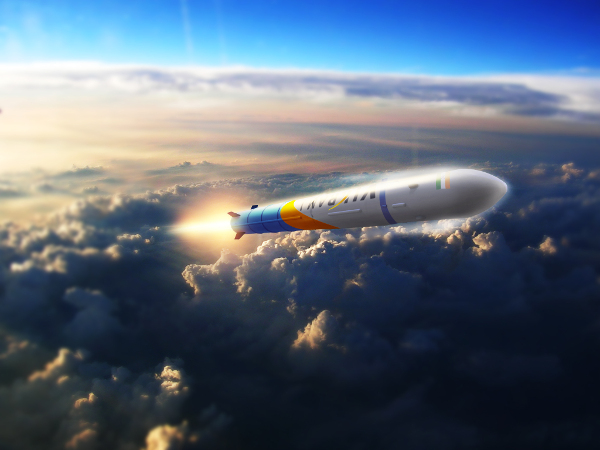
Vikram-1 Reaches Orbit, Establishing India as a Major Global Space Power

Developed by Hyderabad-based Skyroot Aerospace, the rocket was launched under Mission Aagaman and became the first orbital launch vehicle built by an Indian private company to reach space from Indian soil. The achievement represents a landmark moment for India’s private space industry and demonstrates the growing maturity of the country’s commercial launch ecosystem.

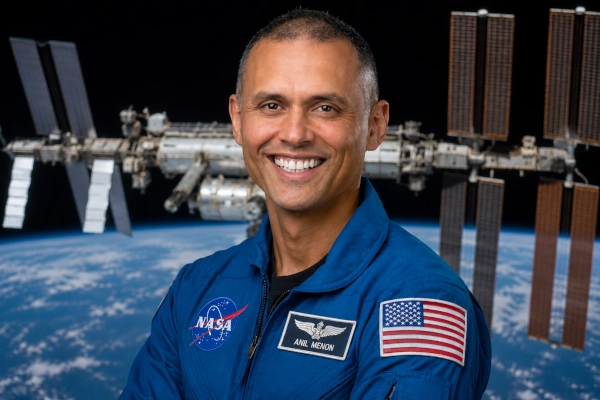
ISRO Completes Three Major Gaganyaan Crew Module Qualification Tests

The Crew Module is the habitable capsule that will carry the astronauts and return them safely to Earth. During the mission, it operates together with a Service Module that supplies essential support functions. As the spacecraft prepares to re-enter Earth’s atmosphere, the Crew Module must separate cleanly from the Service Module, protect its descent systems from extreme flight conditions and complete a carefully controlled parachute-assisted descent into the sea.

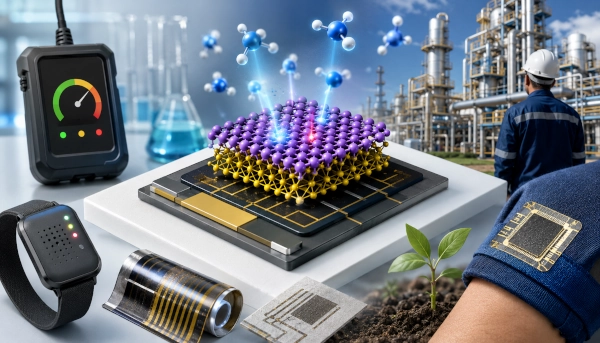
New Ultra-sensitive Ammonia Sensor Can Enable Portable, Self-powered, Wearable Devices To Prevent Toxic Gas Exposure

The sensor was engineered through a controlled surface transformation process that creates abundant active sites for ammonia adsorption while simultaneously enhancing charge transport within the sensing layer. This synergistic combination significantly improves sensing performance, enabling rapid and highly selective detection of ammonia under ambient conditions.

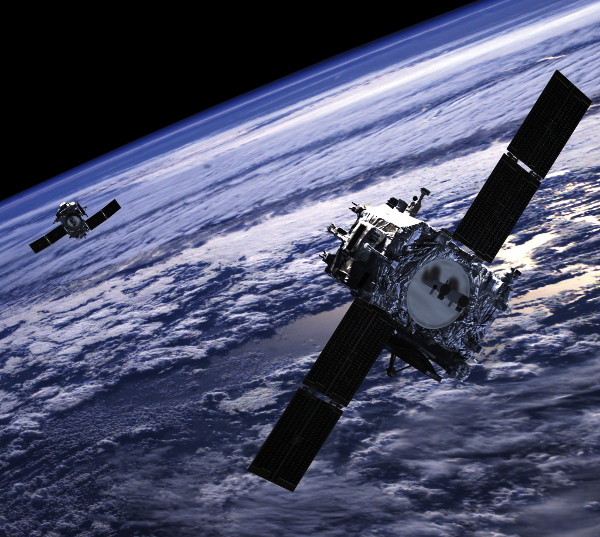
Unravelling the Secrets of Near-earth Space Critical for Satellite Operations

Understanding how the electron density varies with height in the ionosphere is therefore essential for reliable communication and navigation, especially in the equatorial regions where ionospheric dynamics are highly complex. Accurate electron density information up to ~1000 km is essential for continuous monitoring of the ionosphere, as most low Earth orbit (LEO) satellites operate within this altitude range.

ISRO Clears CE20 Cryogenic Engine for Next LVM3 Mission

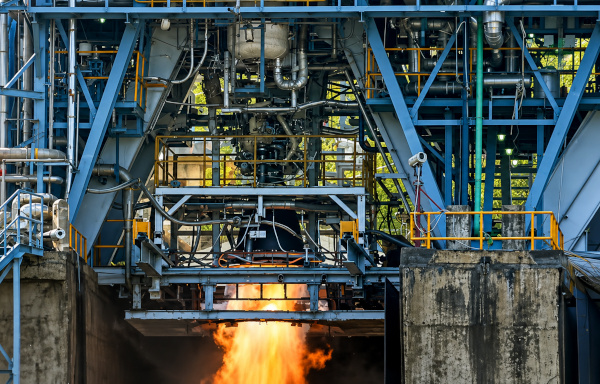
The CE20 engine powers the cryogenic upper stage of the LVM3 launch vehicle, India’s heaviest operational rocket. LVM3 is the vehicle that carried landmark missions such as Chandrayaan-2 and Chandrayaan-3, and it has also supported commercial satellite launches. The engine has now successfully flown on eight consecutive LVM3 missions, giving it a strong operational record in India’s launch vehicle fleet.