Research

News on Science, Technology and Research in India

Genrobotics: The Indian Deep-Tech Company Using Robots to End Hazardous Manhole Cleaning

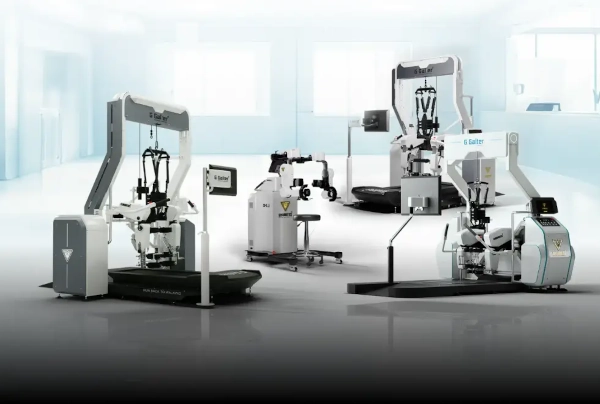
The origins of Genrobotics can be traced to a group of engineering students who were interested in building advanced machines. The founding team consisted of Vimal Govind M.K., Rashid K., Nikhil N.P. and Arun George, who studied at MES College of Engineering in Kuttippuram, Kerala. Their early experimentation included the construction of a large wearable robotic structure inspired by powered exoskeletons.
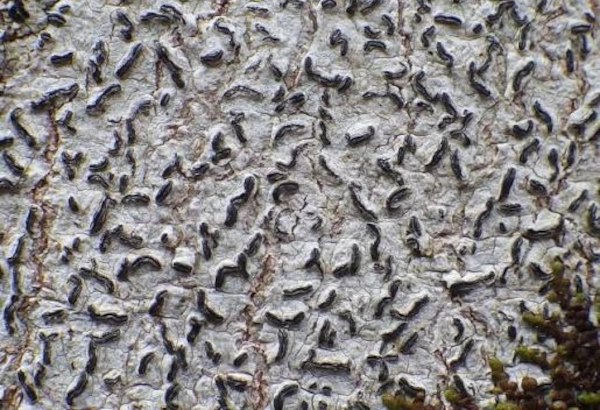
Five New Species of Allographa Discovered in the Western Ghats

Researchers from the MACS Agharkar Research Institute, Pune, an autonomous institute of the Department of Science and Technology (DST) combined traditional taxonomic methods with modern molecular phylogenetics to reassess species diversity and evolutionary relationships within one of the most diverse genera of the lichen family Graphidaceae.

Ultrafast Organic Anodes Designed For Next-generation Rechargeable Batteries

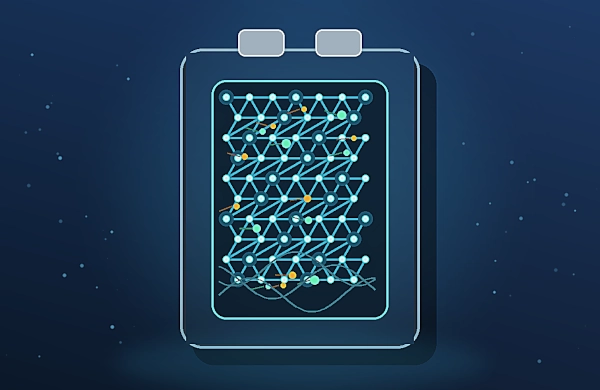
A collaborative research team led by Dr. Urmimala Maitra from the Indian Association for the Cultivation of Science (IACS) and Dr. Pradip Pachfule from the S. N. Bose National Centre for Basic Sciences (SNBNCBS) has developed a new covalent organic framework (COF) material that could help make future rechargeable batteries charge much faster while remaining durable and reliable.

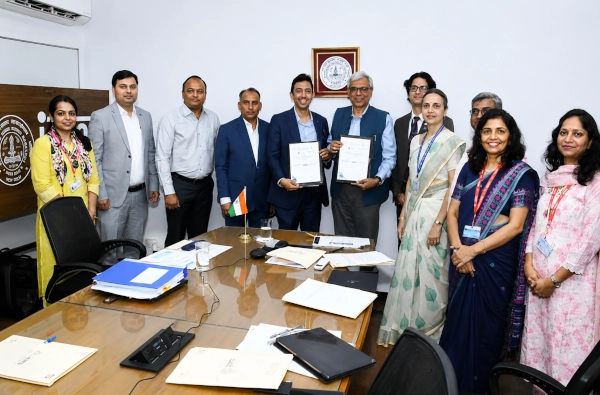
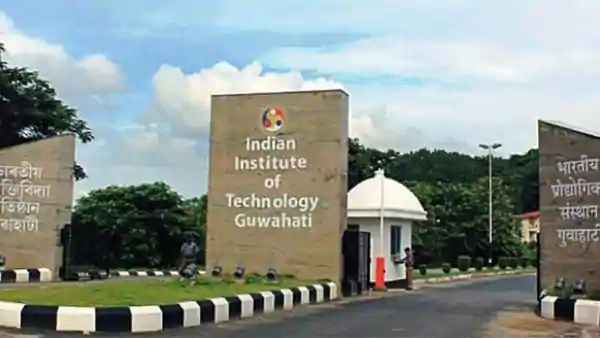
India Moves to Commercialise Indigenous Natural Blue Pigment Technology Developed by IIT Guwahati

C-phycocyanin is the blue-coloured pigment-protein that gives Spirulina much of its distinctive blue-green appearance. Once extracted and purified, it can be converted into a stable, water-soluble blue powder suitable for several commercial applications. The food and beverage industry can use it as a natural colouring ingredient in confectionery, beverages, dairy preparations, desserts and nutritional formulations. Its biological origin makes it particularly relevant to the expanding clean-label market, where manufacturers and consumers increasingly prefer naturally derived ingredients.

Magnetic Trees Help Researchers Unearth Hidden Flow In The Sun’s Upper Atmosphere

A new study led by scientists from Aryabhatta Research Institute of Observational Sciences (ARIES), an autonomous institute under the Department of Science and Technology (DST), along with researchers from the Physical Research Laboratory (PRL), Indian Institute of Technology Delhi (IIT Delhi), Indian Institute of Space Science and Technology (IIST), and NASA’s Goddard Space Flight Center, has shown that the slow movement of plasma continues much higher into the Sun’s atmosphere than previously known, revealing an underlying link between the Sun’s surface and its upper layers.

India Develops Indigenous Vaccine Against African Swine Fever

The vaccine, named the MA-104 Cell-Based Live Attenuated African Swine Fever Vaccine for Pigs, has been developed by the ICAR–National Institute of High Security Animal Diseases (NIHSAD), Bhopal. According to the minister, the development strengthens India’s preparedness against livestock diseases while advancing self-reliance in animal health through indigenous scientific innovation.

Rare ‘World Cup Cicada’ Recorded in Assam, Expanding Its Known Range Beyond Meghalaya

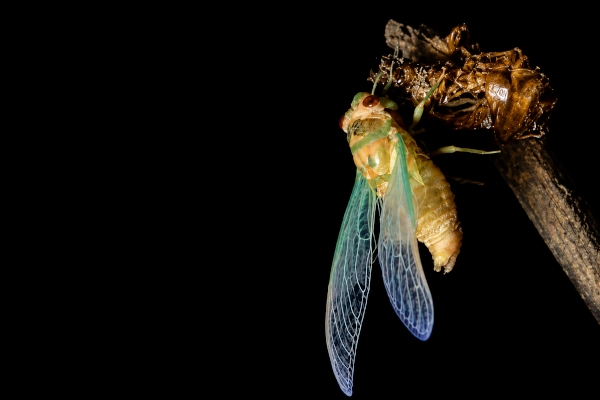
The cicada was reported during a field assessment around the Rani Reserve Forest landscape, close to Assam’s border with Meghalaya. Until recently, scientific accounts had principally linked the species with Ri Bhoi district, particularly Saiden village and forested areas near the Nongkhyllem Wildlife Sanctuary. Its presence in Assam suggests that populations may occur across a wider belt of suitable forest and bamboo habitat extending across the state boundary.