Tiny 3.3-mm Parasitic Wasp Discovered in Assam Marks First Record of Its Genus in India
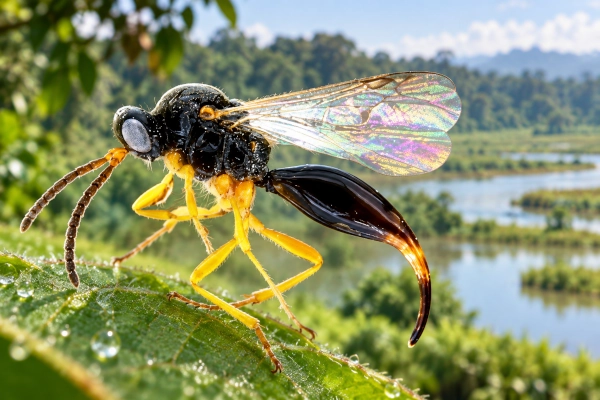
The newly described wasp belongs to the family Proctotrupidae, a group of parasitoid wasps whose larvae develop in or on other insects.
Documenting India’s civilisational and natural heritage.
The newly described wasp belongs to the family Proctotrupidae, a group of parasitoid wasps whose larvae develop in or on other insects.
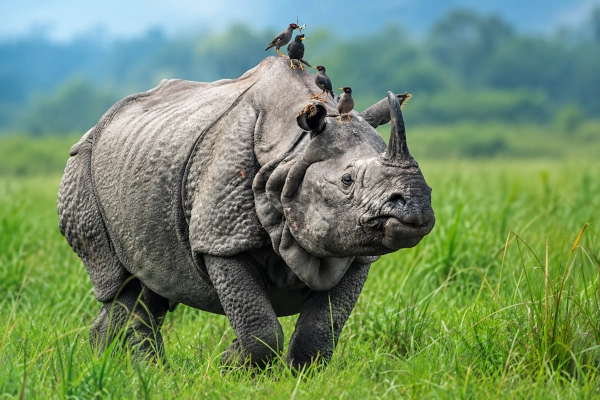
The recovery has also made India central to the global survival of the species. Assam alone now holds nearly 80 per cent of the world’s Greater One-Horned Rhino population.
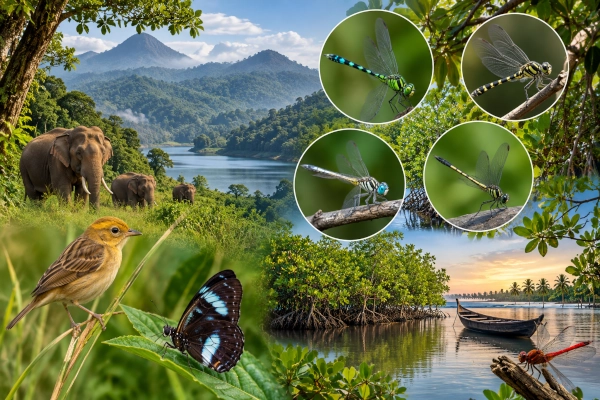
The Periyar survey was conducted over four days with teams examining birds, butterflies, odonates and several other groups across the reserve. The exercise involved 75 participants representing 21 NGOs, academic and research institutions, together with Forest Department officials and frontline personnel.
The annual exercise covered Yamuna Biodiversity Park, Aravalli Biodiversity Park, Neela Hauz Biodiversity Park, Tilpath Valley Biodiversity Park, Kamla Nehru Ridge, Tughlaqabad Biodiversity Park and Kalindi Biodiversity Park.
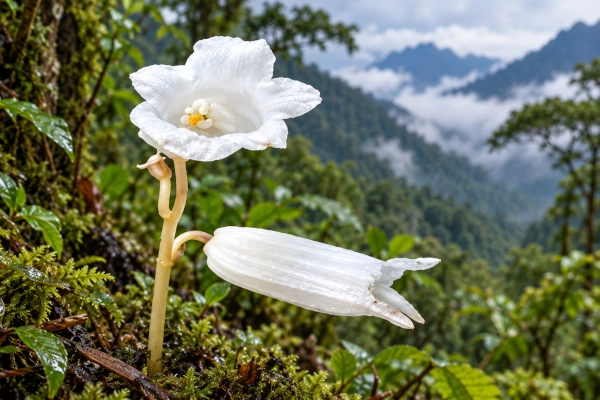
Gastrodia keyiensis belongs to a highly specialised group of orchids that do not produce normal green leaves and cannot manufacture their own food through photosynthesis.
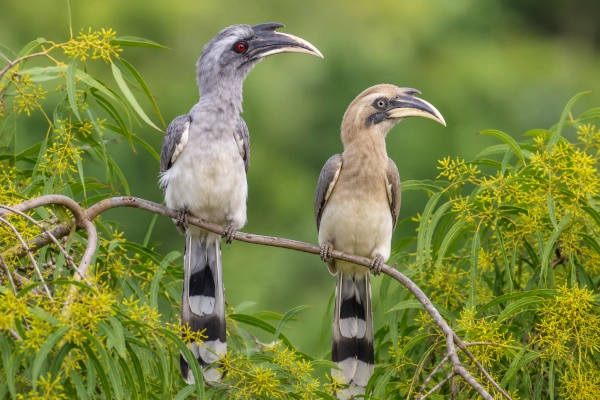
The Indian Grey Hornbill (Ocyceros birostris) is a medium-sized hornbill species found across parts of the Indian subcontinent. Known for its distinctive curved bill and casque, the bird plays an important ecological role as a seed disperser, helping maintain forest regeneration and plant diversity.
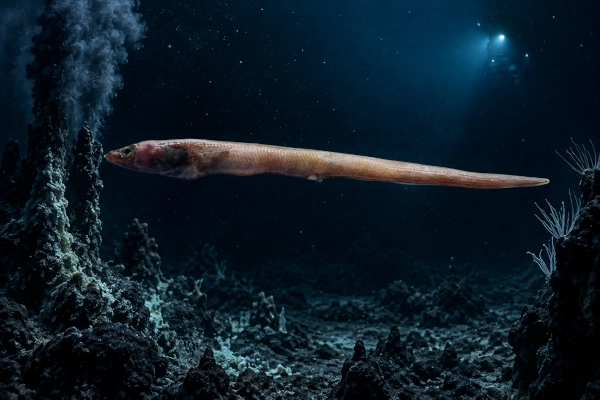
The new species, named Ariosoma cmfriense, was identified by scientists from the ICAR-Central Marine Fisheries Research Institute in Kochi. The specimen was collected from waters off Kollam at a depth of approximately 300 metres in January 2026 as part of research associated with India’s Deep Ocean Mission.
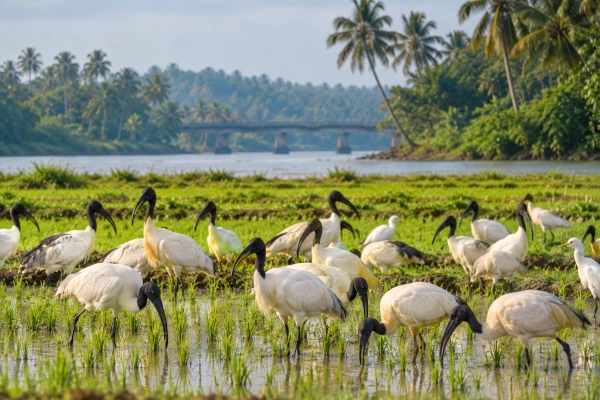
The black-headed ibis (Threskiornis melanocephalus) is particularly conspicuous. Standing on long dark legs, the bird has predominantly white plumage contrasted by a bare black head and neck and a long, downward-curving black bill adapted for probing shallow water and soft mud for food.
The research was published in the journal Quaternary Research by Cambridge University Press in April 2026. The research team comprised Trina Bose, Mayank Shekhar, Akhilesh K. Yadava, Avanish Mishra, Arya Pandey and Anurag Kumar, all affiliated with the Birbal Sahni Institute of Palaeosciences.
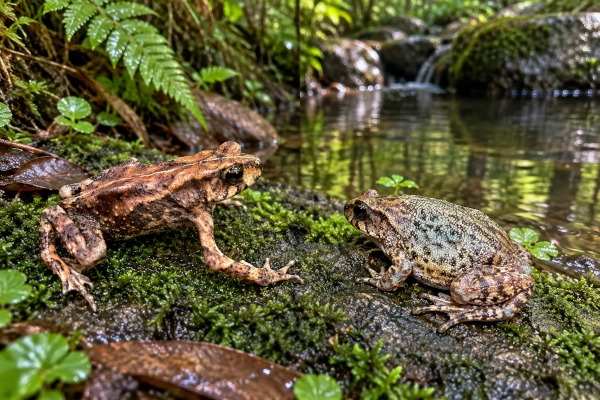
The two species, Ingerana aizawl and Duttaphrynus phawngpui, were described in separate scientific papers published in September 2026. Together, the discoveries underline how much of the amphibian diversity of Mizoram and the wider Indo-Burma biodiversity region remains incompletely documented.