Heritage

News, articles and Essays on Sanatana Dharma, Hinduism and Indian way of life.

Hampi Unearths Vyala Sculpture and Stone Canal, Revealing New Layers of Vijayanagara Art and Engineering

The Vyala is one of the most powerful figures in South Indian temple architecture. Usually imagined as a composite mythical creature with leonine strength and other animal features, it appears across temple pillars, gateways and sculptural panels as a symbol of protection, royal authority and sacred energy. At Hazara Rama Temple, the new discovery is important because it suggests that such figures were not merely part of wall reliefs or mural-like sculptural programmes, but may also have been carved and installed near major architectural points such as the temple entrance.

Thirunakkara Mahadeva Temple: Kottayam’s Ancient Shiva Shrine Where History, Murals and Festival Culture Meet

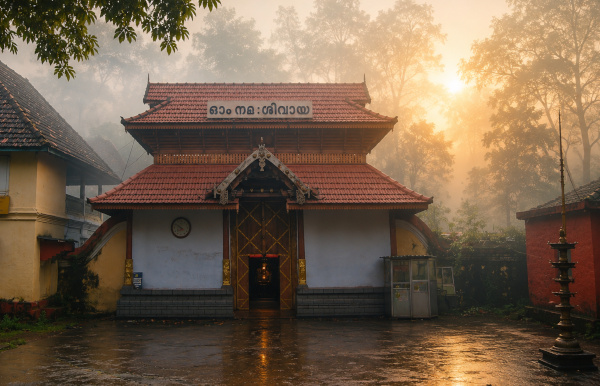
The name Thirunakkara is connected to Nakkara Kunnu, the sacred hill on which the temple stands. Kerala Tourism notes that the temple is located on Thirunakkara Hill, locally known as Nakkara Kunnu. This elevated position adds to the temple’s atmosphere. Even though modern Kottayam has grown around it with roads, shops, traffic and civic activity, the temple still preserves the old feeling of a hill shrine placed above the daily movement of the town.

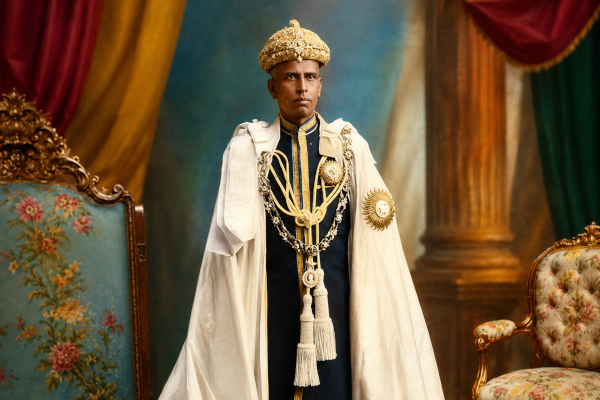
Balarama Varma of Travancore: The Young King Who Ruled Through Intrigue, British Pressure and the Velu Thampi Revolt

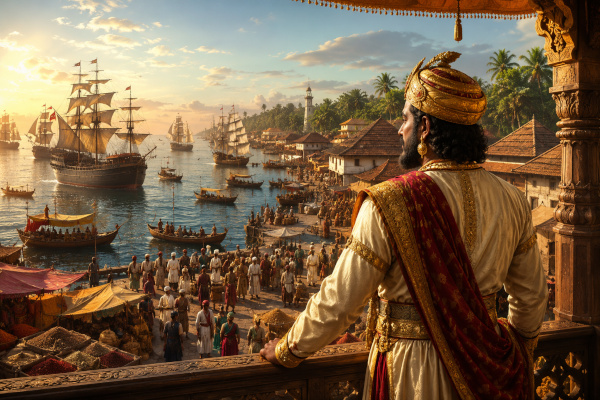
One of the first major tragedies of his reign was the fall of Raja Kesavadas, the brilliant Dewan who had served Dharma Raja and had contributed immensely to Travancore’s administration, trade, public works, ports and finances. The State Manual credits Kesavadas with developing Alleppey as a commercial centre, improving roads, bridges, markets, fortifications, temples and revenue arrangements. His removal soon after Balarama Varma’s accession weakened the administrative backbone that could have guided the young ruler through a dangerous decade.

Dharma Raja: Karthika Thirunal Rama Varma, the King Who Turned Travancore into a Fortress of Dharma

His reign is remembered first for firmness. Hyder Ali’s expansion into Malabar created panic among Kerala’s old ruling houses. The Mysorean military machine was large, mobile and aggressive. Malabar’s political order began to collapse under pressure. Travancore, however, stood behind its northern defensive belt, diplomatic caution and military preparedness. Dharma Raja refused to behave like a frightened vassal

Sanskrit: The Ancient Language That Still Carries India’s Civilisational Genius

The greatness of Sanskrit begins with the Vedic tradition. The Vedas were preserved not merely through writing, but through an astonishing oral discipline where pronunciation, accent, metre and sequence were protected with almost scientific care. This made Sanskrit a language of sound as much as meaning. Every syllable mattered. Every pause mattered. Every tonal movement carried weight. That is why Sanskrit survived political change, regional diversity and long historical disruptions with unusual continuity.

Chakra Vyuham: The Trap Formation That Turned Battlefield Geometry into Psychological Warfare

The original Mahabharata passages describe the formation as a firm, fierce, foremost and impenetrable circular array formed by Drona. Abhimanyu openly says he has been taught by Arjuna how to penetrate and strike such an array, but he also admits that if danger overtakes him, he does not know how to come out. This single admission gives the episode its entire military depth: Abhimanyu has entry knowledge, but lacks complete exit doctrine.