Food and Frolic

Food from different parts of India, the history and heritage behind authentic Indian foods.

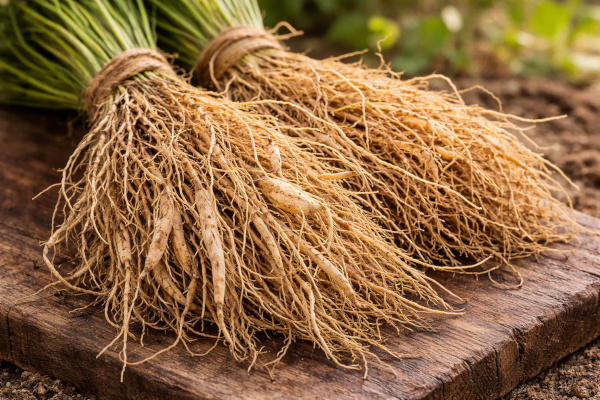
Asafoetida in Ayurveda: The Fierce Little Pinch That Turns Food Into Medicine

In Ayurveda, Hingu is valued mainly as a Deepana-Pachana dravya — a substance that kindles digestive fire and helps the body process food properly. This is why Indian cooking traditionally adds a tiny pinch of hing to dals, sambar, rasam, kadhi, chana, rajma, yam, colocasia, leafy vegetables and other foods that may otherwise produce heaviness, bloating or gas. The idea is simple but profound: digestion is not an afterthought in Indian food; digestion is built into the recipe itself.

The Science Behind Indian Food Traditions

There are several food-related traditions from ancient times in India, that may seem archaic, outdated, and even irrelevant to those who value only the modern and glitzy methods. But look closely and scratch beneath the surface… you will find a rich tapestry of scientific temper and relevance. Let us look at a few such traditions, especially pertaining to food.

The Tender Power of Young Coconut

From the backyards of south and west India to the homes, wellness centres and grocery stores of the north, the green coconut has, indeed, made a big leap. Its spiralling popularity also indicates a high jump in the health awareness levels of the common people.

Nutrient Needs of Older People

We have often seen at home, the grandparents share their food with the young ones saying – Give the food to the kids, they need it more than us.” This is very dangerous when our elders start feeling that now they don’t need to eat like before. We understand that energy requirements decline with age but not the needs of the body. Their appetite reduces with time, but the body still needs proper nutrient intake. This need has to be taken care of with less quantity and more quality.