Economy

News on Indian Economy

India’s Seafood Exports Gain Scale, Value And Strategic Depth As Sector Eyes Premium Global Markets

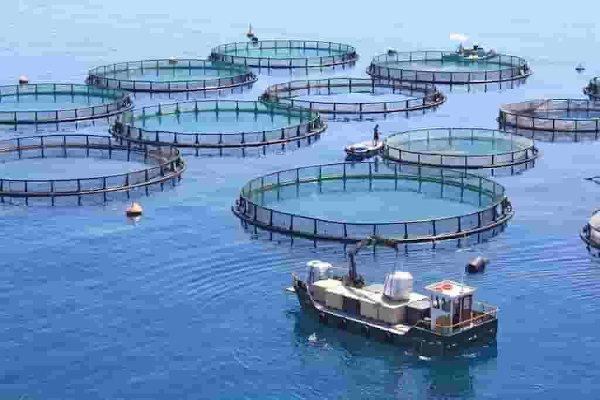
The scale-up is visible in output numbers. Fish production has risen from 141.64 lakh tonnes in 2019-20 to 197.75 lakh tonnes in 2024-25, reflecting average annual growth of around 7%. That production growth has translated into export momentum as well. India’s marine product exports have more than doubled over the past 11 years, climbing from ₹30,213 crore in 2013-14 to ₹62,408 crore in 2024-25, with shrimp continuing to anchor the export basket at ₹43,334 crore.
PM-wani Crosses 4 Lakh Public Wi-fi Hotspots As India Pushes Wider Broadband Access

The PM-WANI model is designed as a market-driven framework that allows local entrepreneurs to set up and operate Wi-Fi access points based on commercial viability, with the government acting primarily as an enabling policy platform. That structure is intended to widen last-mile internet access without relying solely on large-scale centralised infrastructure, particularly in areas where affordable broadband availability remains uneven.

SAIL Posts Strongest-ever FY26 Performance With Record Sales and Production

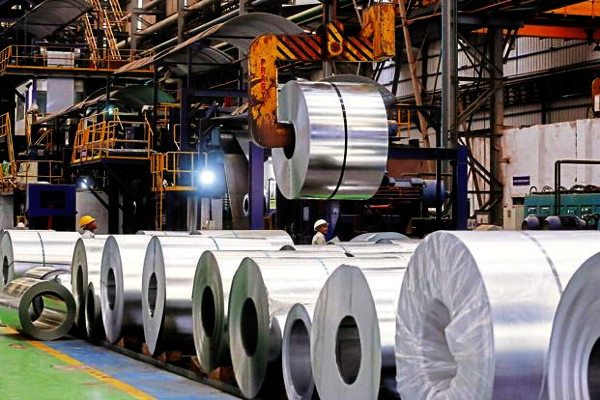
On the production side, SAIL registered its highest-ever crude steel output at 19.43 million tonnes and saleable steel production at 19.176 million tonnes, marking a new operational high for the company. The performance, according to the Ministry of Steel, also reflected improvements in efficiency parameters, underscoring SAIL’s push toward more competitive and sustainable steelmaking.

NMDC Posts Highest-Ever Iron Ore Output at 53 MT in FY26

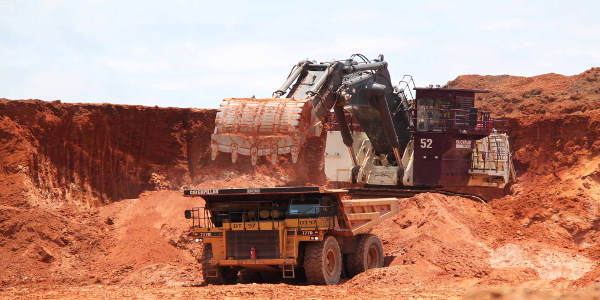
The company’s March 2026 performance also remained strong. NMDC produced 5.35 million tonnes and sold 5.90 million tonnes of iron ore during the month, registering year-on-year growth of 51 percent in production and 40 percent in sales over the corresponding period last year. For the full financial year, sales stood at 50.23 million tonnes, up 13 percent, making FY26 the best year in the company’s history in both output and dispatch volumes.

Green Ammonia Agreements Mark Big Step in Decarbonising India’s Fertilizer Sector

The move is important because India’s phosphatic and potassic fertilizer production, including DAP and NPK variants, still relies heavily on imported ammonia. According to the PIB release, India currently produces around 165–170 lakh metric tonnes of P&K fertilizers, but volatility in global ammonia markets and geopolitical disruptions have affected both availability and prices. By locking in green ammonia supplies through long-term contracts, the government is trying to create a more stable input pipeline for domestic fertilizer manufacturing.

Banking Access Reaches Nearly All Indian Villages, Government Says 99.92% Now Covered Within 5 km

The coverage is being tracked through the Jan Dhan Darshak (JDD) App, a Geographic Information System-based platform that allows authorities to monitor banking infrastructure across the country. Based on data uploaded by banks on the application, nearly all villages have now been brought within the targeted service radius. The government also said that 100 per cent of villages in the Union Territory of Dadra and Nagar Haveli are covered by banking outlets within 5 kilometres.

NCL Meets 140 Million Tonne Coal Production Target Ahead of Schedule in FY26

With 10 highly mechanised opencast mines, NCL has built a strong record of operational consistency and has now maintained its streak of meeting annual coal production targets for a decade. The latest achievement further reinforces the company’s position as one of the most significant contributors to domestic coal output at a time when India continues to rely heavily on thermal power for meeting its electricity demand.