Infrastructure

Indian Infrastructures and Capabilities

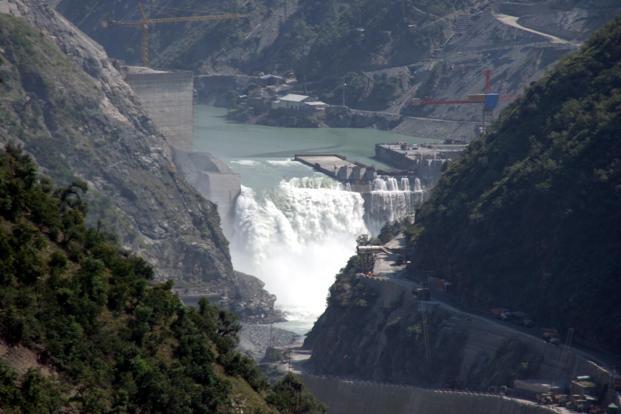
Cabinet Clears ₹14,105.83 Crore Kalai-II Hydro Project in Arunachal Pradesh

With an installed capacity of 1,200 MW, configured as six 190 MW units and one 60 MW unit, the Kalai-II project is expected to generate 4,852.95 million units of electricity annually. According to the government, it will be the first hydroelectric project in the Lohit Basin and is expected to strengthen power supply in Arunachal Pradesh, help manage peak electricity demand, and support grid balancing at the national level.

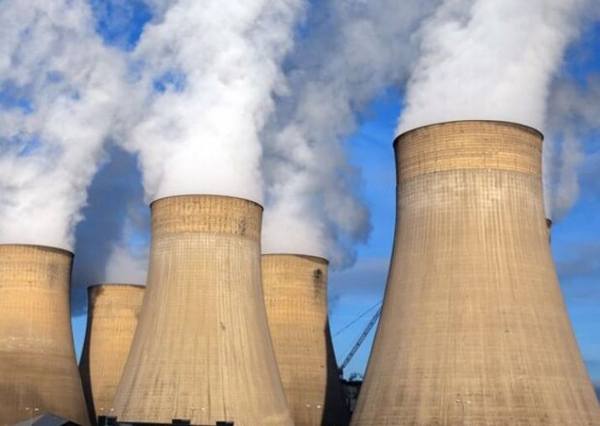
India’s First Indigenous Fast Breeder Reactor at Kalpakkam Attains Criticality, Marking Major Nuclear Milestone

The 500 MWe reactor has been developed by Bharatiya Nabhikiya Vidyut Nigam Ltd. (BHAVINI) and built indigenously with contributions from more than 200 Indian industries, including MSMEs. The project has long been seen as a crucial element in India’s effort to deepen domestic capability in advanced reactor technology while aligning with the wider push for self-reliance in strategic sectors.

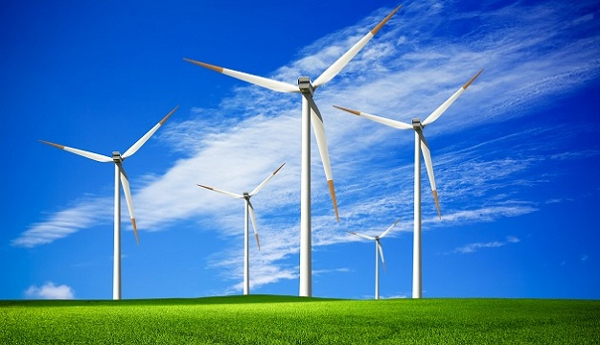
India Posts Record 6.05 GW Wind Energy Addition In Fy26, Cumulative Capacity Crosses 56 GW

With the fresh additions, India’s cumulative installed wind power capacity has now crossed 56 GW, reinforcing the sector’s growing role in the country’s renewable energy mix. The Ministry of New and Renewable Energy said the momentum reflects a combination of clearer policy direction, better transmission readiness, competitive tariff discovery and a strong pipeline of upcoming projects.

Digital Tolling Gets Teeth: NHAI Brings E-Notices, Double Fee Rule and VAHAN-Linked Enforcement

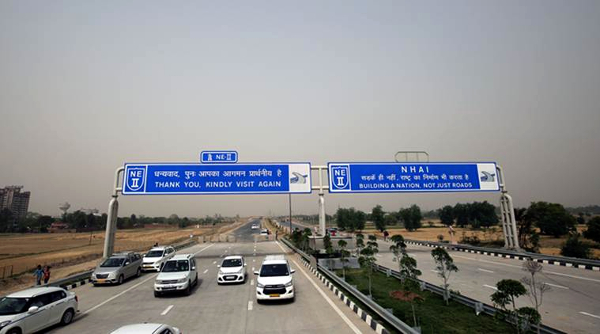
According to the PIB note, plaza-level assessments found that cash payments contribute to congestion, longer waiting times during peak traffic periods, and transaction-related disputes. A digital-only system, in contrast, allows toll plazas to process vehicles faster and with fewer manual interventions. Government messaging on FASTag over the past few years has consistently pushed the same direction: smoother traffic flow, lower friction at plazas, and a more technology-driven highway network.

PM-wani Crosses 4 Lakh Public Wi-fi Hotspots As India Pushes Wider Broadband Access

The PM-WANI model is designed as a market-driven framework that allows local entrepreneurs to set up and operate Wi-Fi access points based on commercial viability, with the government acting primarily as an enabling policy platform. That structure is intended to widen last-mile internet access without relying solely on large-scale centralised infrastructure, particularly in areas where affordable broadband availability remains uneven.

CSIR Unveils Indigenous Bio-Bitumen Technology to Turn Farm Waste into Sustainable Road Material

The technology, titled “Bio-Bitumen from Lignocellulosic Biomass – From Farm Residue to Roads,” was showcased at a Technology Transfer Event in New Delhi on March 30, 2026, with the aim of enabling large-scale industry adoption. It was jointly developed by CSIR-Central Road Research Institute (CSIR-CRRI) and CSIR-Indian Institute of Petroleum (CSIR-IIP).