Infrastructure

Indian Infrastructures and Capabilities

Infra Spend Tops ₹12 Lakh Crore as PM Opens Delhi–Dehradun Corridor

The broader budget data supports the scale of that expansion. The Union Budget’s Budget at a Glance for 2026–27 pegs total capital expenditure at ₹12,21,821 crore, up from a revised estimate of ₹10,95,755 crore in 2025–26. Separately, the Economic Survey 2025–26 noted that the Centre’s capital outlay had already risen from ₹5.92 lakh crore in FY22 to a budgeted ₹11.21 lakh crore for FY26, and argued that infrastructure spending carries a medium-term multiplier of roughly 2.5 to 3.5 times GDP.

India’s Data Centre Market Seen Doubling to US$ 22 Billion by 2030

The report said the industry attracted an estimated US$ 13–15 billion in investments between 2020 and 2024, with foreign institutional investors contributing nearly 80% of total capital inflows. That trend is expected to continue, with announced projects worth US$ 60–70 billion lined up over the next five years, largely led by hyperscalers and joint ventures seeking to expand capacity in India.

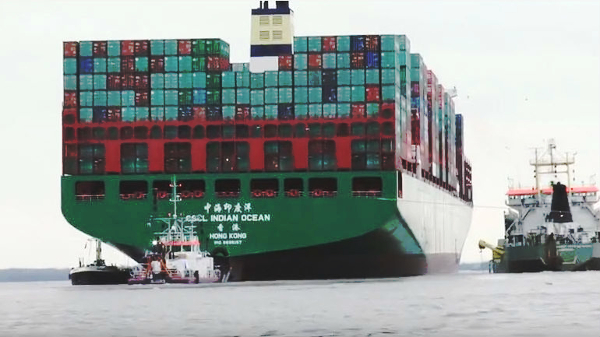
Sagarmala Programme Drives Major Expansion in India’s Maritime Infrastructure

The programme, launched in March 2015, was designed to modernise ports, improve port connectivity, promote port-led industrialisation, support coastal communities, and expand the role of coastal shipping and inland waterways in India’s logistics network. With India’s 11,099-kilometre coastline and nearly 14,500 kilometres of potentially navigable waterways, the maritime sector continues to play a critical role in national trade, handling around 95 per cent of trade by volume and about 70 per cent by value.

Vande Bharat Surge Powers New Phase Of Modern Rail Travel In India

Since its launch, the Vande Bharat network has carried more than 9.1 crore passengers through about 1 lakh trips, showing how quickly the service has moved from flagship experiment to a widely accepted part of India’s railway system. First introduced on the New Delhi–Varanasi route in February 2019, the train has since become a major symbol of indigenous rail modernisation under the Make in India push.

Indian Railways to Deploy Composite Sleepers and AI Track Monitoring for Safer Operations

The shift to composite sleepers marks an important upgrade in track infrastructure. According to the Ministry of Railways, these sleepers are lighter than the iron and concrete variants currently used, yet they are designed to carry higher loads, offer better cushioning and allow easier laying and repair. The ministry also said the sleepers can be tailored to local site conditions, which is expected to improve passenger comfort, especially on bridge approaches and turnout sections where ride quality can otherwise be affected.

Cabinet Clears ₹14,105.83 Crore Kalai-II Hydro Project in Arunachal Pradesh

With an installed capacity of 1,200 MW, configured as six 190 MW units and one 60 MW unit, the Kalai-II project is expected to generate 4,852.95 million units of electricity annually. According to the government, it will be the first hydroelectric project in the Lohit Basin and is expected to strengthen power supply in Arunachal Pradesh, help manage peak electricity demand, and support grid balancing at the national level.

India’s First Indigenous Fast Breeder Reactor at Kalpakkam Attains Criticality, Marking Major Nuclear Milestone

The 500 MWe reactor has been developed by Bharatiya Nabhikiya Vidyut Nigam Ltd. (BHAVINI) and built indigenously with contributions from more than 200 Indian industries, including MSMEs. The project has long been seen as a crucial element in India’s effort to deepen domestic capability in advanced reactor technology while aligning with the wider push for self-reliance in strategic sectors.

India Posts Record 6.05 GW Wind Energy Addition In Fy26, Cumulative Capacity Crosses 56 GW

With the fresh additions, India’s cumulative installed wind power capacity has now crossed 56 GW, reinforcing the sector’s growing role in the country’s renewable energy mix. The Ministry of New and Renewable Energy said the momentum reflects a combination of clearer policy direction, better transmission readiness, competitive tariff discovery and a strong pipeline of upcoming projects.