Kautilya

INS Aridhaman And The Quiet Strengthening Of India’s Sea-based Nuclear Deterrent

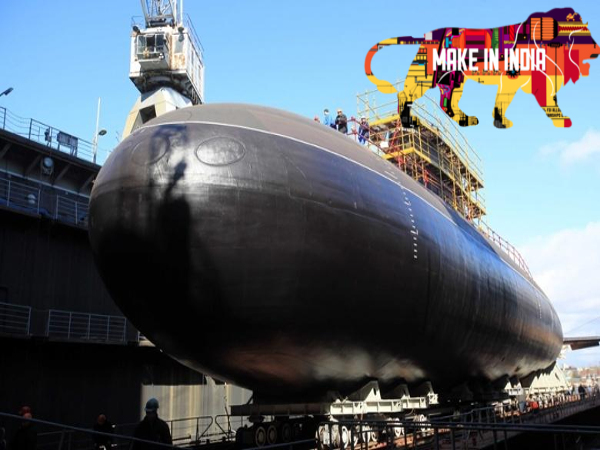
In practical terms, that means India must be able to absorb a first strike and still retain the capacity to respond. Submarines are the most survivable leg of that triad because, unlike aircraft on bases or missiles in known locations, an SSBN at sea is difficult to detect, track, and target. That is why the expansion of the Arihant-class fleet is strategically consequential even when much of the programme remains officially opaque.
India’s Seafood Exports Gain Scale, Value And Strategic Depth As Sector Eyes Premium Global Markets

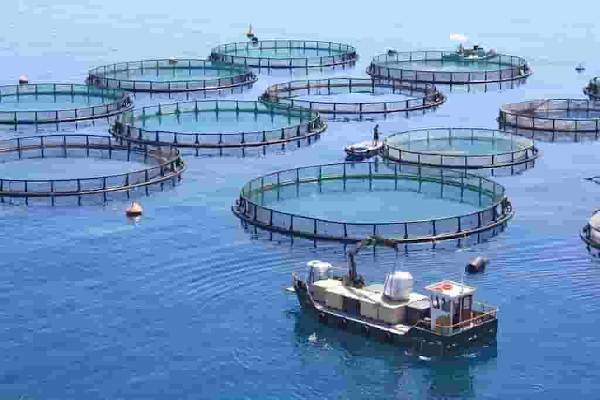
The scale-up is visible in output numbers. Fish production has risen from 141.64 lakh tonnes in 2019-20 to 197.75 lakh tonnes in 2024-25, reflecting average annual growth of around 7%. That production growth has translated into export momentum as well. India’s marine product exports have more than doubled over the past 11 years, climbing from ₹30,213 crore in 2013-14 to ₹62,408 crore in 2024-25, with shrimp continuing to anchor the export basket at ₹43,334 crore.

Government Says Multi-layered Safeguards Are In Place To Curb Fake News Across Print, Tv And Digital Media

According to the ministry, the FCU verifies questionable claims through authorised sources and then publishes corrected information on its social media platforms for wider dissemination, including in border districts. During Operation Sindoor, the unit actively flagged misinformation circulating online, while the ministry also ordered the blocking of more than 1,400 digital media URLs carrying what it described as false, misleading, anti-India and communally sensitive content, much of it traced to Pakistan-based social media accounts and material inciting hostility against the Indian Armed Forces.

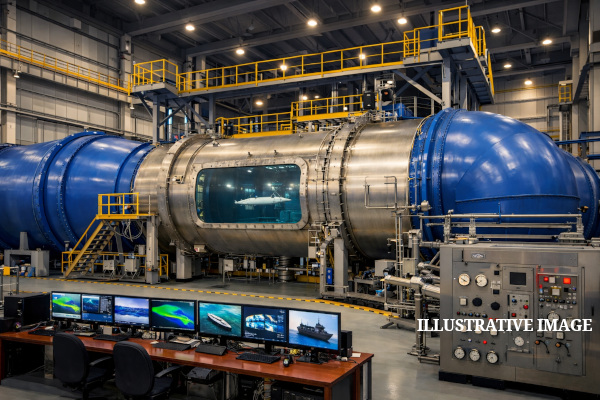
Rajnath Singh Lays Foundation Stone for Large Cavitation Tunnel at NSTL, Visakhapatnam

Addressing scientists and researchers at NSTL, Singh said the new facility would allow India to design, develop and test critical naval equipment, systems and sub-systems within the country, reducing dependence on overseas testing infrastructure. He described the LCT as more than just a new installation, calling it an enabling backbone for advances in propulsion, noise reduction and stealth technologies that are central to modern naval engineering.

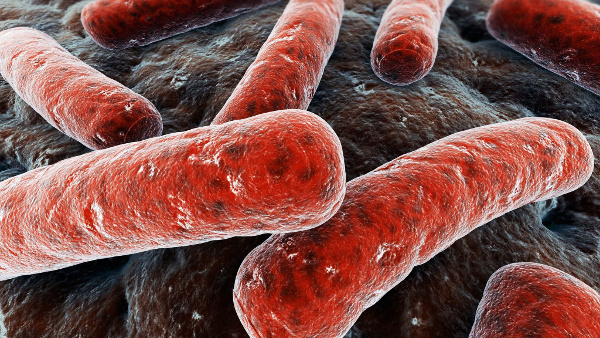
New TB Study Overturns Textbook Theory, Opens Possible Path To More Precise Antimicrobial Therapies

For decades, scientists believed that a protein known as the sigma factor binds to RNA polymerase to initiate bacterial transcription and then detaches once RNA synthesis moves into the elongation phase. This “sigma-cycle” had widely been considered a standard feature of bacterial gene regulation, including in TB bacteria. But the new study shows that the process is more complex and far less uniform than previously understood.

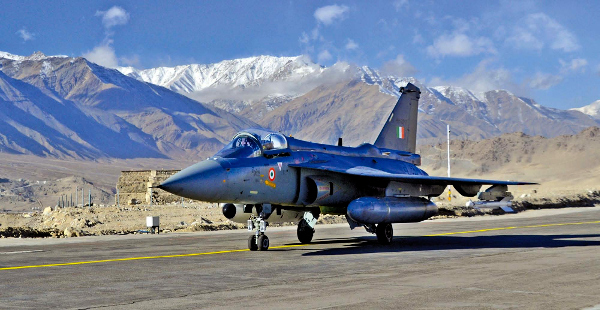
Swayam Raksha Kavach: India’s Indigenous Electronic Shield for the Tejas Mk1A

A useful way to think about Swayam Raksha Kavach is as part of India’s effort to reduce dependence on imported “black-box” avionics and survivability electronics. In fighter procurement, imported EW suites are often among the most tightly controlled technologies, with source code, mission data flexibility, reprogramming rights, emitter library control and future upgrade freedom all becoming strategic issues.

Categories